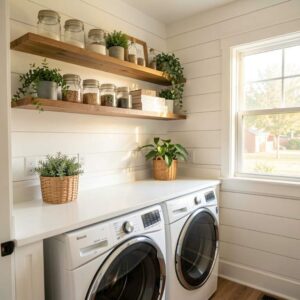
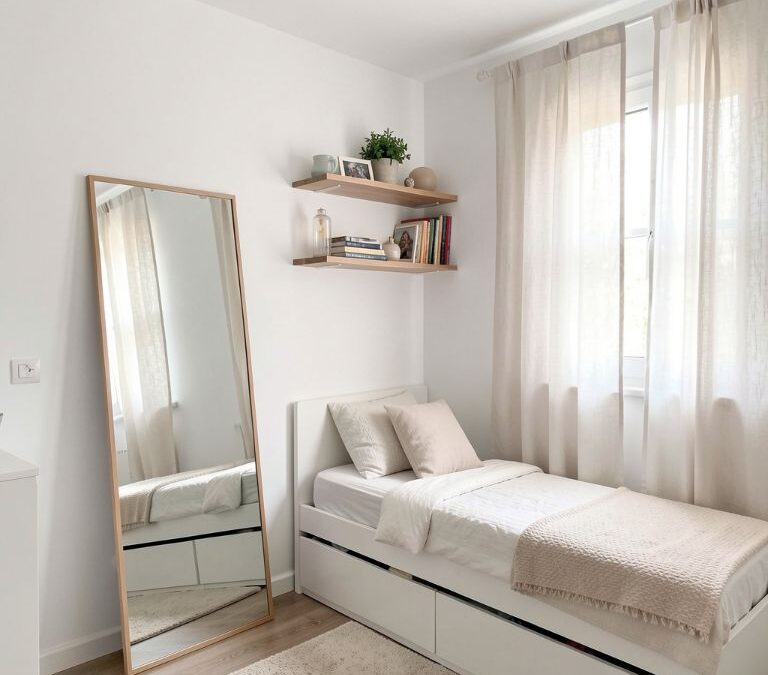
Small rooms can feel cramped and cluttered. But the right decor choices make any space feel open and stylish. These 10 small room decor ideas help you get more from every square foot.
Quick Answer: Small room decor ideas focus on maximizing space through smart furniture choices, light colors, mirrors, vertical storage, and multi-functional pieces. These strategies make compact rooms feel larger, more organized, and visually appealing without sacrificing style or comfort.
Key Takeaways
- Light wall colors and mirrors create the illusion of more space in small rooms.
- Multi-functional furniture like storage beds and fold-down desks saves valuable floor space.
- Vertical storage solutions use wall space instead of taking up room on the floor.
- Strategic lighting and decluttering transform how large a small room feels.
- Rugs, curtains, and proportional furniture help define zones in compact spaces.
Quick Comparison Table
| Decor Idea | Best For | Difficulty | Impact Level |
|---|---|---|---|
| Mirrors | All room types | Easy | High |
| Multi-functional furniture | Bedrooms, living rooms | Medium | High |
| Vertical storage | All room types | Easy | High |
| Light color palette | All room types | Easy | Medium |
| Hanging curtains high | All room types | Easy | Medium |
1 – Use Mirrors to Create the Illusion of Space
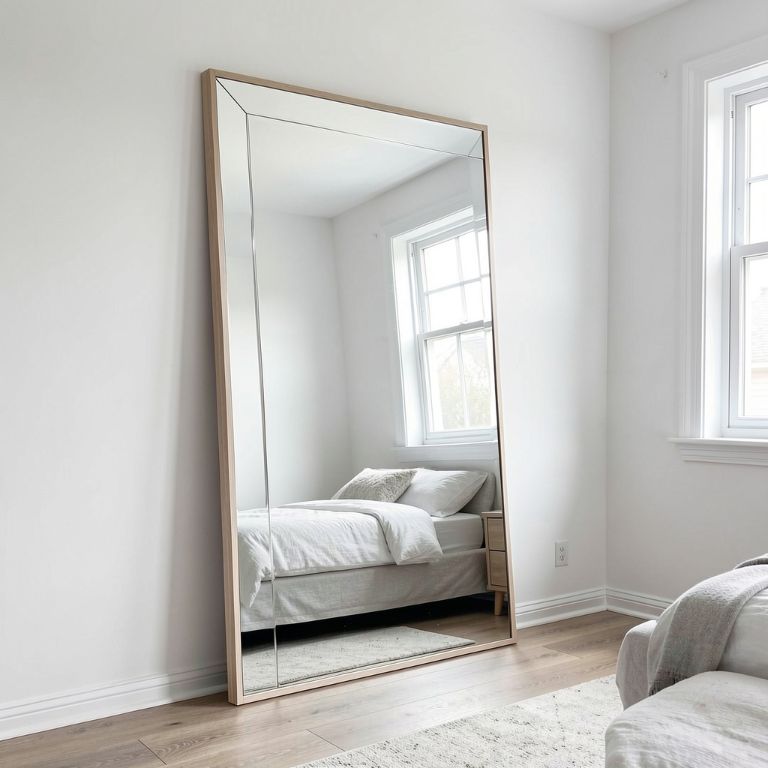
Mirrors are one of the most effective small room decor ideas. They reflect light and make a room feel twice its actual size. Place a large mirror across from a window to bounce natural light around the space.
Floor-length leaning mirrors work well in bedrooms and entryways. Smaller grouped mirrors create a gallery wall effect while still adding depth. Avoid placing mirrors directly opposite each other, as this creates a disorienting infinity effect.
Tip: A single large mirror costs less than most furniture pieces but delivers one of the biggest visual impacts in a small room.
Best Mirror Placements
- Opposite a window to reflect natural light
- At the end of a hallway to extend the sightline
- Behind a lamp to amplify artificial light
- On a closet door to add function and depth
2 – Choose Multi-Functional Furniture
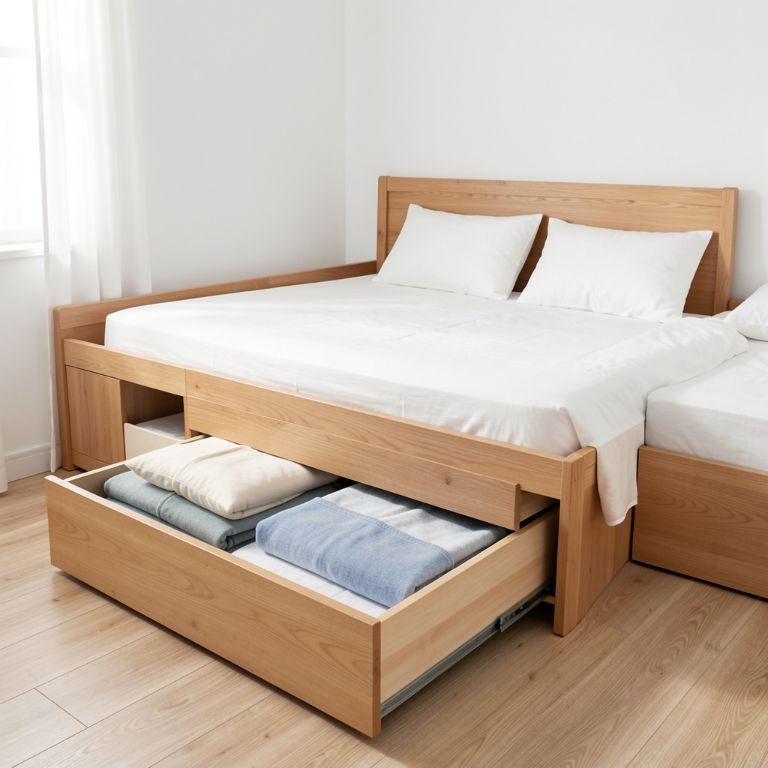
Every piece of furniture in a small room should earn its place. Multi-functional furniture serves more than one purpose, which reduces the total number of items you need.
A storage bed gives you a place to sleep plus drawers for clothing. A fold-down desk mounts to the wall and disappears when you are not using it. Ottomans with hidden storage work as seating, footrests, and blanket boxes all at once.
Important: Measure your room before buying multi-functional furniture. A storage bed that is too large will make the room feel more cramped, not less.
Top Multi-Functional Picks
- Storage beds with built-in drawers or lift-up mattresses
- Sofa beds for guest rooms or studio apartments
- Nesting coffee tables that tuck away when not in use
- Drop-leaf dining tables that fold down to console size
3 – Maximize Vertical Storage
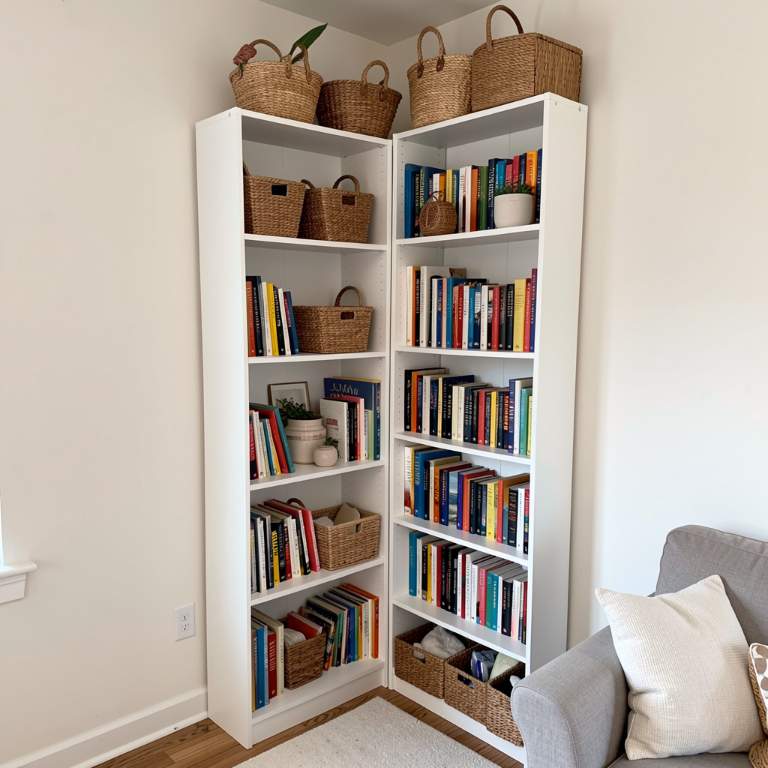
When floor space is limited, look up. Vertical storage uses your walls instead of your square footage. Tall bookshelf units, wall-mounted shelves, and overhead cabinets all add storage without taking up room on the ground.
Install shelves above doorways for books or decor you do not access daily. Use wall-mounted hooks in kitchens and bathrooms for utensils, towels, and accessories. Floating shelves in a staircase hallway turn dead space into a library.
Tip: Keep lower shelves for everyday items and upper shelves for display or seasonal storage. This keeps the room functional and visually clean.
Vertical Storage Ideas by Room
- Kitchen – magnetic knife strips, hanging pot racks, wall-mounted spice racks
- Bathroom – over-toilet shelving, recessed medicine cabinets, towel hooks
- Bedroom – tall dressers, wall-mounted nightstands, closet organizers
- Living room – floor-to-ceiling bookcases, wall-mounted media consoles
4 – Stick to a Light Color Palette
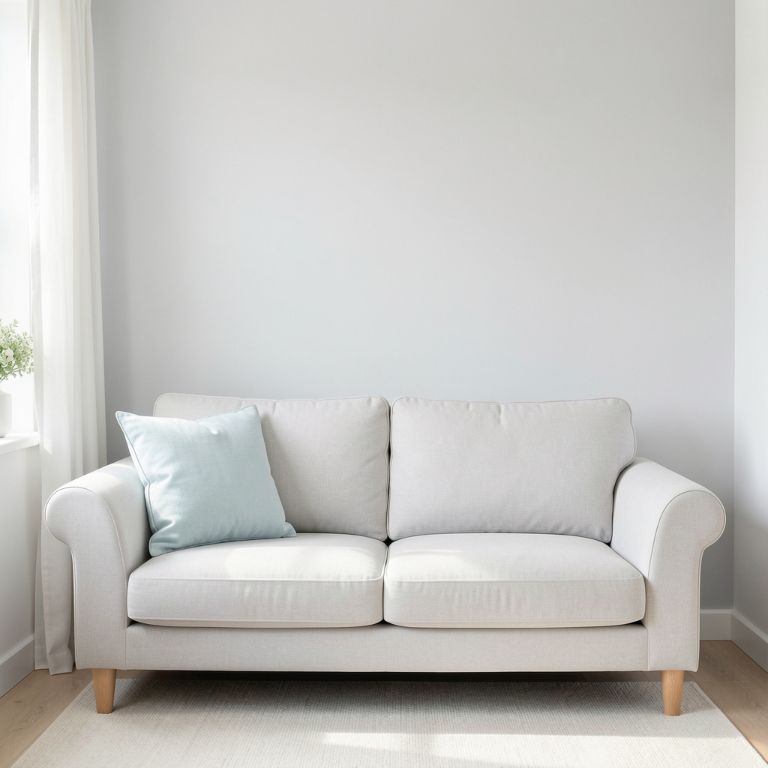
Light colors reflect more light, which makes walls feel like they are pushing back. White, cream, soft gray, and pale pastels are all excellent choices for small room decor. Dark colors absorb light and make walls feel closer.
You do not have to paint every wall white. A soft gray or warm beige adds character without shrinking the room. Use darker tones as accents through throw pillows, artwork, or a single feature wall rather than painting all four walls dark.
Warning: Avoid painting a small room in dark, saturated colors like navy or forest green on all walls. This absorbs light and makes the space feel significantly smaller.
Best Light Color Schemes for Small Rooms
- All-white with wood accents for a Scandinavian feel
- Soft gray with white trim for a modern look
- Warm cream with terracotta accents for cozy vibes
- Pale blue with white for a calm, airy bedroom
5 – Hang Curtains High and Wide
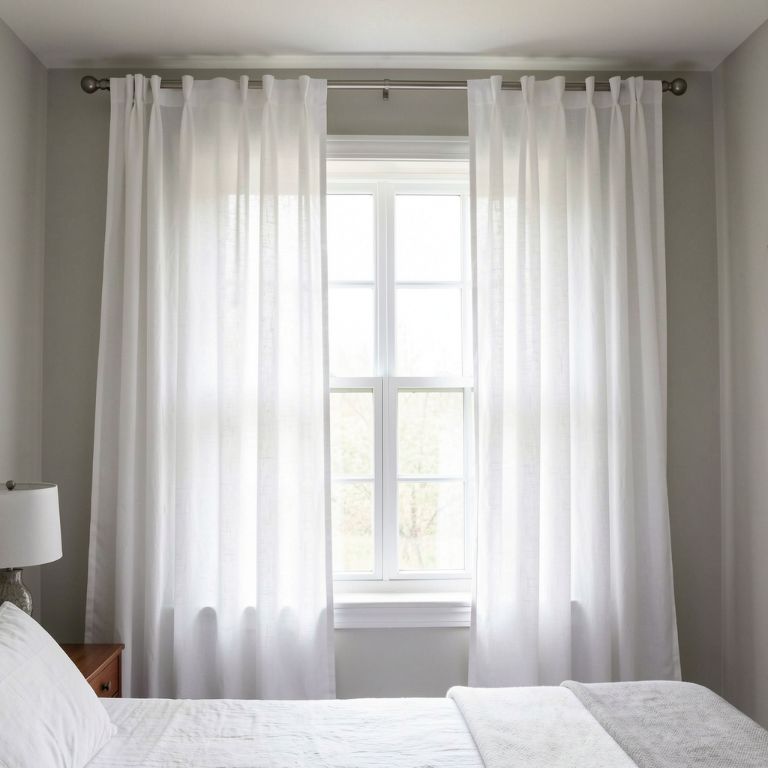
Most people hang curtain rods right above the window frame. This cuts off the wall and makes ceilings look lower. Mount your rod 4 to 6 inches below the ceiling and extend it 8 to 12 inches past each side of the window.
This trick frames the window and draws the eye upward, which makes the room feel taller and the window feel larger. Choose lightweight, light-colored curtains that let some light filter through even when closed.
Tip: Use sheer curtains in small rooms instead of heavy drapes. Sheer fabric softens the light without blocking it, keeping the room bright and open.
Curtain Mistakes to Avoid
- Mounting the rod at the window frame line
- Using short curtains that end at the windowsill
- Choosing heavy, dark fabrics that block light
- Skipping curtains entirely and using only blinds
6 – Use Rugs to Define Zones
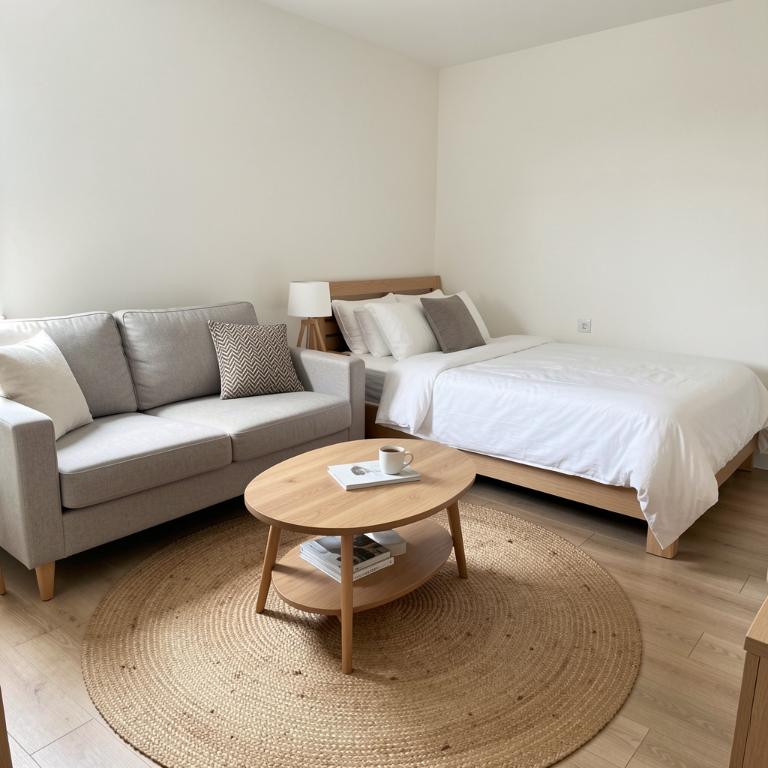
In a small studio or open-plan room, rugs create visual boundaries without walls. A rug under the coffee table defines the living area. A different rug by the bed defines the sleeping zone. This makes one room feel like multiple spaces.
Choose a rug that is large enough for all the furniture legs in that zone to sit on it. A rug that is too small will make the area feel disconnected and the room feel smaller than it is.
Important: In a small room, one large rug looks better than multiple small rugs. Multiple rugs create visual clutter and break up the floor space.
Rug Sizing Guide
- Living room – front legs of all seating on the rug
- Bedroom – rug extends 2 to 3 feet beyond the bed on all sides
- Dining room – all chair legs stay on the rug even when pulled out
- Entryway – rug leaves 4 to 6 inches of floor visible on all edges
7 – Declutter Ruthlessly and Use Smart Storage
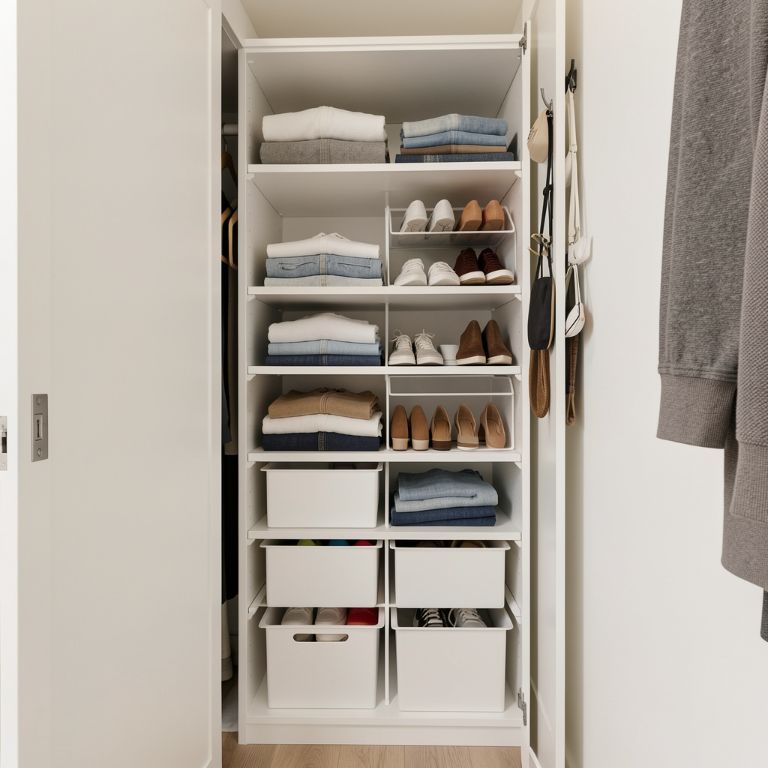
No decor trick can overcome too much stuff. Small rooms need regular decluttering to stay functional. Keep only what you use and love. Store seasonal items elsewhere if possible.
Use storage bins, drawer organizers, and under-bed containers to keep what you do have out of sight. Matching storage containers create a clean, cohesive look. Clear bins let you see what is inside without opening them.
Tip: Follow the one-in-one-out rule. When you bring something new into a small room, remove something old. This prevents clutter from building up over time.
Decluttering Checklist
- Clothes you have not worn in the past year
- Books you will not read again
- Kitchen gadgets you rarely use
- Expired products in bathrooms and bedrooms
- Duplicate items like extra phone chargers or scissors
8 – Add Strategic Lighting
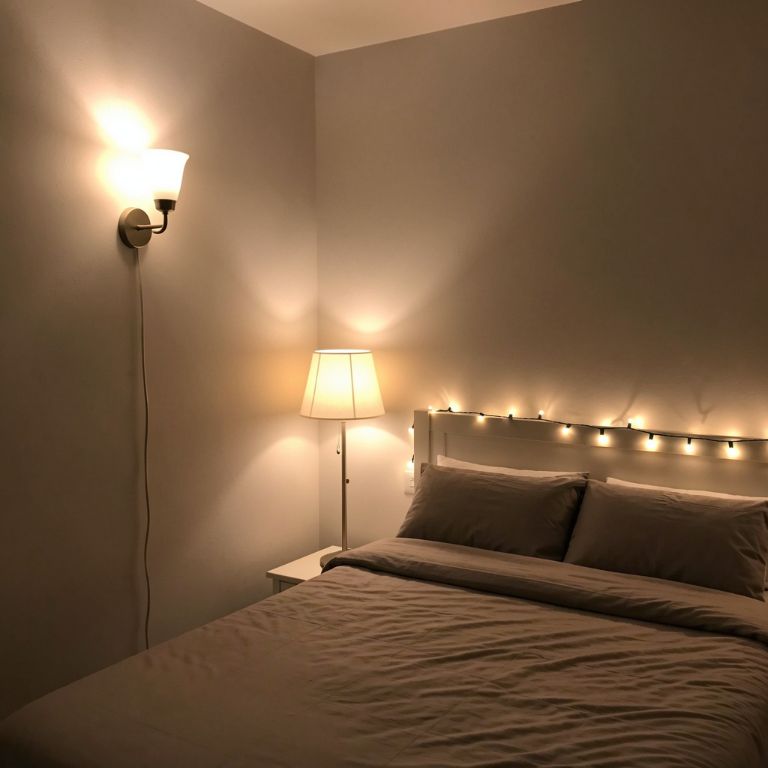
A single overhead light creates harsh shadows and dark corners. Layered lighting makes a small room feel warm and inviting. Combine ambient, task, and accent lighting for the best effect.
Wall sconces free up nightstand space. Under-cabinet lights in kitchens add task lighting without taking up counter room. LED strip lights behind furniture create a soft glow that adds depth to the room.
Important: Use warm white bulbs (2700K to 3000K) in small rooms. Cool white light feels clinical and makes the space less inviting.
Lighting Layers to Include
- Ambient – overhead or ceiling light for general illumination
- Task – desk lamps, reading lights, or under-cabinet lights
- Accent – wall sconces, picture lights, or LED strips for mood
- Natural – maximize daylight with sheer curtains and clean windows
9 – Choose Proportional Furniture
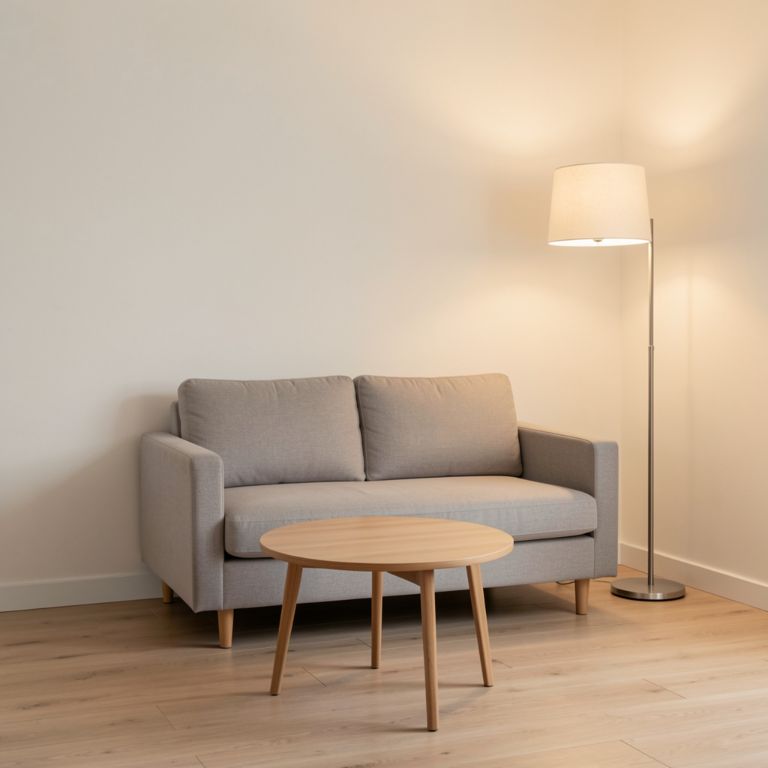
Oversized furniture overwhelms a small room. A massive sectional in a studio apartment leaves no room for anything else. Choose pieces that fit the scale of your space.
Look for furniture with exposed legs, which lets light pass underneath and makes the floor feel more open. Glass or acrylic pieces like a clear coffee table take up less visual weight than solid wood or metal.
Warning: Avoid deep, bulky furniture in small rooms. A sofa with a 40-inch depth will dominate a 10-foot room and leave almost no walking space.
Furniture Rules for Small Rooms
- Leave at least 30 inches of walking space between furniture pieces
- Choose armless chairs and open-side chairs to improve sightlines
- Use round or oval tables instead of sharp-cornered rectangles
- Pick sofas and beds with legs rather than skirted bases
10 – Incorporate Reflective and Transparent Surfaces
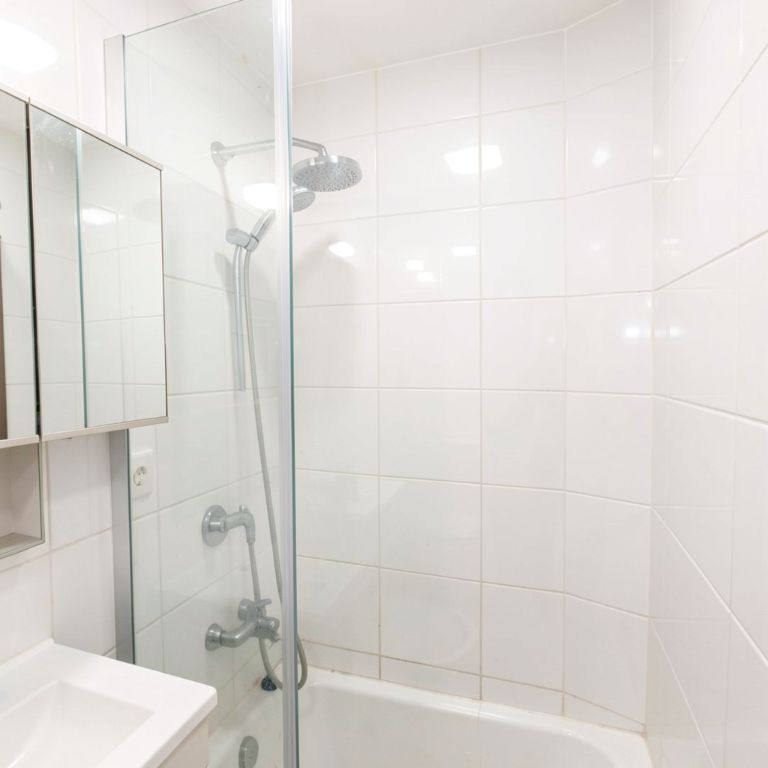
Reflective and transparent surfaces let light pass through, which makes a room feel more open. Glass tables, acrylic chairs, glossy tiles, and metallic accents all contribute to this effect.
In bathrooms, a glass shower enclosure takes up less visual space than a shower curtain. In living rooms, a glass-topped side table provides surface area without the visual weight of a solid piece. Metallic picture frames, lamp bases, and hardware add small reflective touches throughout the room.
Tip: You do not need to fill every surface. In a small room, negative space is just as important as the decor you choose. Leave some areas open.
Best Reflective Surfaces to Use
- Glass or acrylic coffee tables and side tables
- Glossy or semi-gloss paint on walls and trim
- Metallic hardware on cabinets and furniture
- High-gloss tile in bathrooms and kitchens
How to Choose the Right Small Room Decor Ideas
Not every idea works for every room. Start by identifying your biggest problem. Is the room too dark? Focus on mirrors, light colors, and lighting. Is it too cluttered? Prioritize decluttering and storage solutions. Is it too cramped? Look at multi-functional furniture and proportional pieces.
Pick two or three ideas to start. Implementing all 10 at once can feel overwhelming and expensive. Mirrors and a fresh coat of paint are affordable starting points that deliver immediate results. Build from there as your budget allows.
- Identify the biggest issue in your small room (dark, cluttered, cramped, or all three)
- Choose the decor ideas that address your specific problem
- Start with low-cost, high-impact changes like paint and mirrors
- Add storage and multi-functional furniture next
- Finish with lighting, rugs, and decorative accents
Common Myths vs Facts
Small room decor comes with plenty of bad advice. Here are three myths that actually make your room feel worse.
Myth 1 – Small rooms should only have small furniture
Fact: One large piece of furniture can actually make a small room feel bigger than several small pieces. A single medium-sized sofa creates a focal point and leaves more open floor space than a loveseat plus two chairs.
Myth 2 – Dark colors make a room feel cozy, not small
Fact: Dark colors absorb light and blur the edges of a room, which makes walls feel closer. If you love dark tones, use them on one accent wall or in accessories rather than painting all four walls.
Myth 3 – You should avoid patterns in small rooms
Fact: Patterns work fine in small rooms when used in moderation. A patterned throw pillow, a striped rug, or a single accent wall with wallpaper adds personality without overwhelming the space.
Frequently Asked Questions
What is the best color to paint a small room?
Soft white, warm cream, and light gray are the best colors for small rooms. These shades reflect light and push the walls back visually. Use the same color on walls, trim, and ceilings to eliminate visual breaks and make the room feel taller.
How do I make a small room look bigger on a budget?
Paint is the most affordable transformation. A gallon of light-colored paint costs under $50 and covers an entire room. Add a large mirror from a thrift store and rearrange your furniture to open up floor space. These three steps cost very little but deliver a major visual impact.
Where should I put a mirror in a small room?
Place a mirror opposite or adjacent to a window to reflect natural light. In hallways, a mirror at the end extends the sightline. In bedrooms, a full-length mirror on the closet door adds function without taking up wall space.
Can I use a large rug in a small room?
Yes, and you should. A large rug anchors the furniture and makes the room feel more spacious than multiple small rugs would. Choose a rug that fits under the front legs of all major furniture pieces in the room.
How much furniture should I put in a small room?
Less is more. Leave at least 30 inches of walking space between furniture pieces. If you can walk comfortably through the room and access all storage without obstacles, you have the right amount of furniture.
Final Thoughts
Small rooms do not have to feel limiting. The right decor choices – light colors, mirrors, vertical storage, and multi-functional furniture – transform compact spaces into comfortable, stylish rooms. Start with two or three ideas from this list and build from there. Every square foot counts when you use it well.