

Living in the United States does not have to drain your bank account. Many American cities offer a low cost of living, decent jobs, and a good quality of life. This guide breaks down the cheapest US cities to live in right now, with real data on housing, groceries, and everyday expenses.
Quick Answer: The cheapest US cities to live in are typically found in the Midwest and South. Places like Hickory (NC), Brownsville (TX), and Fort Wayne (IN) offer rent under $1,200 per month and overall living costs 20-35% below the national average. Housing drives most of the savings.
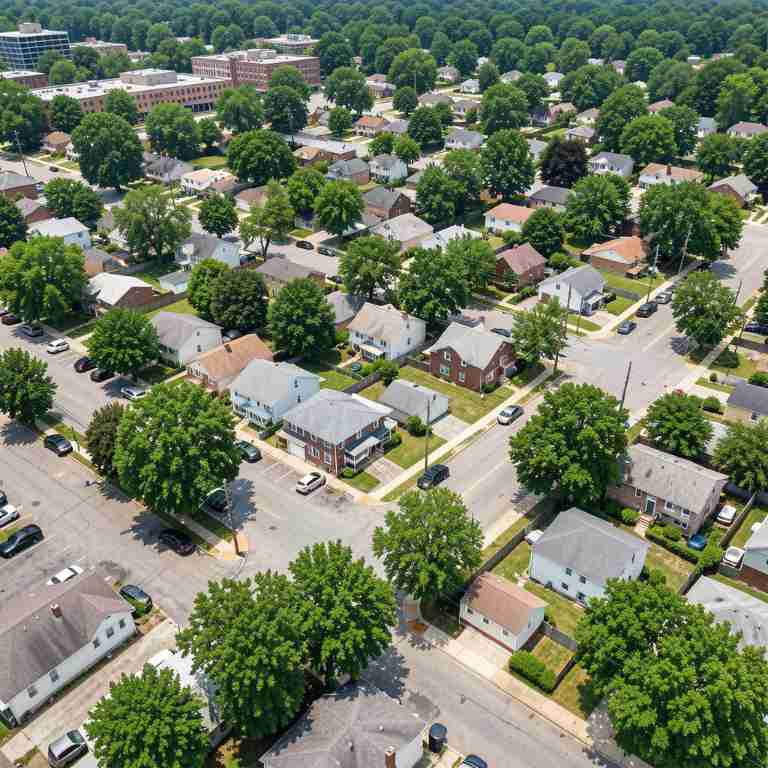
Key Takeaways
- Housing costs are the single biggest factor that makes a city affordable – places with median rent under $1,200 per month offer the most savings overall.
- Midwestern and Southern cities dominate the list of cheapest US cities to live in, with costs 20-35% below the national average.
- Many affordable cities also offer growing job markets in healthcare, manufacturing, and logistics, making them practical choices for remote workers and families.
- Low cost of living does not always mean low quality of life – several of these cities rank high in community satisfaction and access to outdoor recreation.
- Property taxes and state income taxes vary widely between affordable cities, so factor those in when comparing total monthly costs.
What Makes a City Affordable?
Cost of living is more than just rent. The cheapest US cities to live in score low across several categories. Housing is the biggest piece, but groceries, transportation, healthcare, and utilities also matter.
The Council for Community and Economic Research publishes a Cost of Living Index that compares cities against a national baseline of 100. Cities scoring below 80 are considered significantly cheaper than average. Most of the cities on this list score between 65 and 85 on that index.
Important: A low cost of living paired with low wages can cancel out the savings. Always check median household income data alongside cost of living when choosing a city.
Quick Comparison Table
| City | Cost of Living Index | Median Rent (1BR) | Region |
|---|---|---|---|
| Hickory, NC | 73.5 | $850 | Southeast |
| Brownsville, TX | 68.2 | $790 | South |
| Fort Wayne, IN | 76.8 | $920 | Midwest |
| Tupelo, MS | 72.1 | $770 | Southeast |
| Wichita, KS | 78.3 | $950 | Midwest |
| Memphis, TN | 75.4 | $980 | Southeast |
Index based on a national average of 100. Rent figures reflect typical one-bedroom apartment costs. Data sourced from the Council for Community and Economic Research and Zillow rental market reports.
Hickory, North Carolina
Overview
Hickory sits in the foothills of the Blue Ridge Mountains with a metro population of about 370,000. It has a strong manufacturing base in furniture and textiles. The city scores 73.5 on the Cost of Living Index, making it one of the cheapest US cities to live in.
Cost Breakdown
- Median home price: around $195,000
- Average rent for a one-bedroom: $850 per month
- Groceries: about 8% below national average
- Utilities: roughly 6% below national average
- Transportation costs: about 10% below national average
Why People Move Here
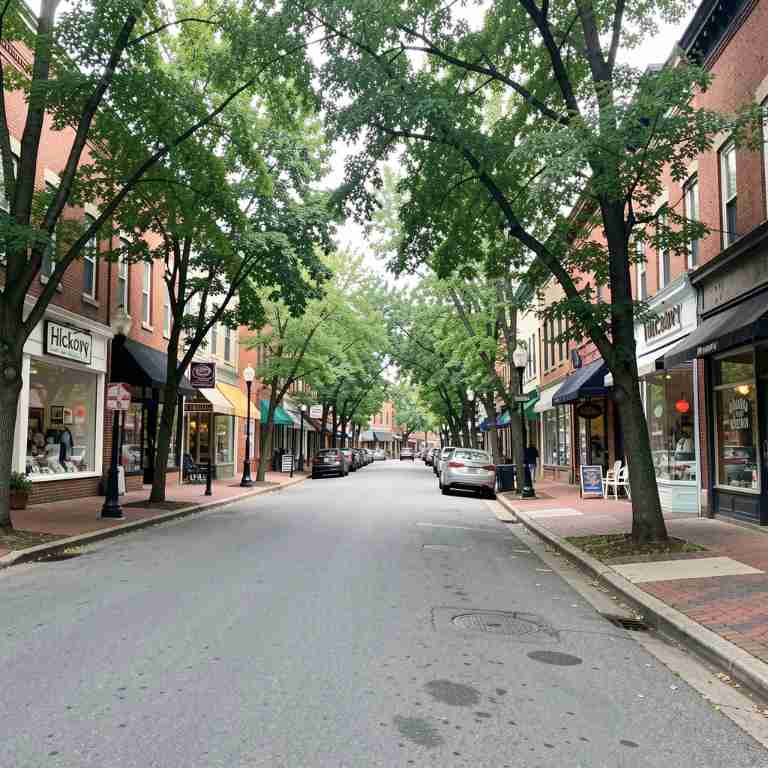
Hickory offers mountain access, mild weather, and a tight-knit community. Lake Hickory provides boating and fishing. The local job market centers on healthcare, manufacturing, and education. City of Hickory has invested in downtown revitalization, attracting new restaurants and small businesses.
Brownsville, Texas
Overview
Brownsville sits at the southernmost tip of Texas, right on the US-Mexico border. It has a population of about 185,000. The cost of living index is 68.2, one of the lowest among US cities with populations over 100,000.
Cost Breakdown
- Median home price: around $135,000
- Average rent for a one-bedroom: $790 per month
- Groceries: about 12% below national average
- Utilities: roughly 4% below national average
- Texas has no state income tax, which adds significant savings
Why People Move Here
Brownsville offers a warm climate year-round and a bilingual culture. The Port of Brownsville drives logistics and trade jobs. SpaceX has a nearby launch site, bringing aerospace industry growth. Healthcare and education are also major employers in the region.
Tip: Texas cities like Brownsville save you money on state income tax, but property tax rates tend to be higher than average. Factor in both when comparing total costs.
Fort Wayne, Indiana
Overview
Fort Wayne is Indiana’s second-largest city with a metro population of about 420,000. It scores 76.8 on the Cost of Living Index. The city has a diverse economy with defense, healthcare, and manufacturing jobs.
Cost Breakdown
- Median home price: around $185,000
- Average rent for a one-bedroom: $920 per month
- Groceries: about 7% below national average
- Utilities: roughly 5% below national average
- Indiana has a flat state income tax rate of 3.05%
Why People Move Here
Fort Wayne has invested heavily in downtown development. The Riverfront development project has added parks, restaurants, and entertainment along the St. Marys River. The city also has a strong arts scene and low crime rates compared to similar-sized Midwest cities. City of Fort Wayne promotes economic development programs for new residents and small businesses.
Tupelo, Mississippi
Overview
Tupelo is a small city in northeastern Mississippi with a population of about 140,000 in the metro area. It scores 72.1 on the Cost of Living Index. Tupelo is known as the birthplace of Elvis Presley and has a growing healthcare and manufacturing sector.
Cost Breakdown
- Median home price: around $155,000
- Average rent for a one-bedroom: $770 per month
- Groceries: about 10% below national average
- Utilities: roughly 8% below national average
- Mississippi has a lower property tax rate than most states
Why People Move Here
Tupelo offers small-town charm with city amenities. The North Mississippi Medical Center is the largest rural hospital in the country and a major employer. The city has good public schools and a low crime rate. Housing costs are among the lowest in the nation for a city of its size.
Wichita, Kansas
Overview
Wichita is the largest city in Kansas with a metro population of about 650,000. It scores 78.3 on the Cost of Living Index. Wichita is known as the “Air Capital of the World” because of its aircraft manufacturing industry.
Cost Breakdown
- Median home price: around $175,000
- Average rent for a one-bedroom: $950 per month
- Groceries: about 6% below national average
- Utilities: roughly 3% below national average
- Transportation costs are low due to minimal traffic congestion
Why People Move Here
Wichita has a strong job market in aviation, healthcare, and education. Wichita State University drives innovation and workforce development. The city has a growing food scene, a low unemployment rate, and plenty of family-friendly activities. City of Wichita offers relocation incentives for certain skilled workers.
Memphis, Tennessee
Overview
Memphis is a major city in Tennessee with a metro population of about 1.3 million. It scores 75.4 on the Cost of Living Index. Memphis is famous for blues music, barbecue, and its role in civil rights history.
Cost Breakdown
- Median home price: around $160,000
- Average rent for a one-bedroom: $980 per month
- Groceries: about 7% below national average
- Utilities: roughly 5% below national average
- Tennessee has no state income tax on wages
Why People Move Here
Memphis is a logistics powerhouse. FedEx operates its global hub at Memphis International Airport, creating thousands of jobs. Healthcare, tourism, and manufacturing are also major sectors. The city has a rich cultural scene and a revitalizing downtown area. City of Memphis supports small business growth through various grant programs.
Warning: Some affordable cities have higher crime rates than the national average. Always research neighborhood-level safety data before choosing where to live.
How Does Cost of Living Actually Work?
Cost of living is measured against a national baseline. The Council for Community and Economic Research tracks six categories: housing, groceries, utilities, transportation, healthcare, and miscellaneous goods and services.
A city with an index score of 75 means it costs about 25% less than the national average. The national average is set at 100. Cities like San Francisco and New York score above 150, meaning they cost 50% or more above average.
Housing typically accounts for 30-35% of a household budget. In the cheapest US cities to live in, housing costs can drop to 18-22% of income. That difference alone can save a household $500-$1,000 per month compared to expensive metros.
What Are the Hidden Costs of Cheap Living?
Low rent and cheap groceries are great. But some affordable cities come with trade-offs you should know about before you move.
- Lower wages: Many affordable cities have median household incomes below the national average. A $50,000 salary in Hickory goes much further than $75,000 in San Francisco, but the raw number is lower.
- Limited public transit: Most affordable cities require a car. Budget $300-$500 per month for car payments, insurance, gas, and maintenance.
- Higher property taxes in tax-friendly states: Texas and Tennessee have no state income tax, but property tax rates can be higher than in states with income tax.
- Fewer entertainment options: Smaller cities have fewer restaurants, concerts, and cultural events. That saves money but can feel limiting over time.
- Healthcare access: Rural affordable cities may have fewer specialists and longer wait times for certain medical services.
How to Choose the Right Affordable City
Not every cheap city fits every lifestyle. Use these criteria to narrow your search.
- Check the job market first. Look for cities with growing industries that match your skills. Remote workers have more flexibility but should verify internet quality.
- Compare total tax burden. Use a tax calculator that includes income tax, sales tax, and property tax. A no-income-tax state is not always cheaper overall.
- Visit before you move. Spend at least a week in the city. Talk to locals, visit grocery stores, and drive through neighborhoods at different times of day.
- Research school quality. If you have children, check GreatSchools ratings and local school district performance data.
- Look at healthcare access. Identify nearby hospitals and primary care providers. Check if your current doctors have referral networks in the area.

Common Myths vs Facts
Many misconceptions surround the cheapest US cities to live in. Here are three common myths and the facts behind them.
Myth 1: Cheap cities have no jobs
Fact: Many affordable cities have strong and growing job markets. Fort Wayne has defense and aerospace employers. Wichita has a massive aviation industry. Memphis is a global logistics hub. Remote work has also made location-independent income more common than ever.
Myth 2: Low cost of living means low quality of life
Fact: Several affordable cities rank high in resident satisfaction surveys. Places like Hickory and Fort Wayne offer good schools, parks, community events, and low commute times. Quality of life depends more on personal fit than on price tags.
Myth 3: You need to live in a big city to build a career
Fact: Career growth happens in small and mid-size cities too. Many companies in affordable cities promote from within and offer leadership opportunities faster than large corporations with rigid hierarchies. Networking is often easier in smaller communities.
Pro Tips for Moving to an Affordable City
- Negotiate your rent. In affordable markets, landlords often accept lower offers, especially for longer lease terms. Ask for one or two months free on a 15 or 18-month lease.
- Buy instead of rent if you plan to stay. In cities like Brownsville and Tupelo, mortgage payments can be lower than rent for comparable homes.
- Build local credit. Open accounts with local banks and utility companies. Good local credit helps with future loans and rental applications.
- Get involved quickly. Join local groups, attend community events, and volunteer. Social connections make any city feel like home faster.
- Track your actual spending for 90 days. Your real cost of living may differ from published indexes. Keep a budget journal to see where your money actually goes.
Resources and Tools
- Cost of Living Index – Compare cities across six expense categories using data from the Council for Community and Economic Research. Visit Site
- Zillow – Search rental listings and home prices in any US city to see real-time housing costs. Visit Site
- Bureau of Labor Statistics – Check local wage data, unemployment rates, and job market trends for any metro area. Visit Site
- GreatSchools – Compare school ratings and reviews if you are moving with children. Visit Site
- NerdWallet Cost of Living Calculator – Compare the cost of living between any two US cities using salary and expense data. Visit Site
Frequently Asked Questions
What is the cheapest city to live in the US?
Brownsville, Texas currently ranks among the cheapest US cities with a population over 100,000. Its cost of living index is 68.2, and median rent for a one-bedroom is around $790 per month. Smaller towns in Mississippi and Arkansas can be even cheaper but have fewer job opportunities.
Are cheap cities safe to live in?
Safety varies widely between affordable cities and even between neighborhoods within the same city. Fort Wayne and Tupelo have crime rates near or below the national average. Always check neighborhood-level crime data using local police department reports or tools like NeighborhoodScout before choosing where to live.
Can I find remote work from an affordable city?
Yes. Remote work is widely accepted across industries. Affordable cities with reliable internet infrastructure like Wichita and Fort Wayne are practical bases for remote workers. Just verify broadband availability at your specific address before signing a lease.
How much do I need to save before moving to a cheap city?
Plan for three to six months of living expenses as a safety net. In a city like Hickory or Tupelo, that means saving roughly $5,000-$10,000 for a single person. Factor in moving costs, security deposits, and initial furniture or car expenses.
Do cheap cities have good healthcare?
Most affordable cities have at least one hospital and primary care clinics. Larger affordable cities like Memphis and Wichita have major medical centers with specialists. Smaller cities may require travel for specialized care. Check if your insurance network includes providers in the area before you move.
Final Thoughts
The cheapest US cities to live in offer real savings on housing, groceries, and everyday expenses without sacrificing community or opportunity. Cities like Hickory, Brownsville, Fort Wayne, Tupelo, Wichita, and Memphis prove that affordable living is possible across different regions and lifestyles. Focus on job fit, total tax burden, and personal priorities when making your decision. A lower cost of living gives you more freedom to save, invest, and enjoy your life.