
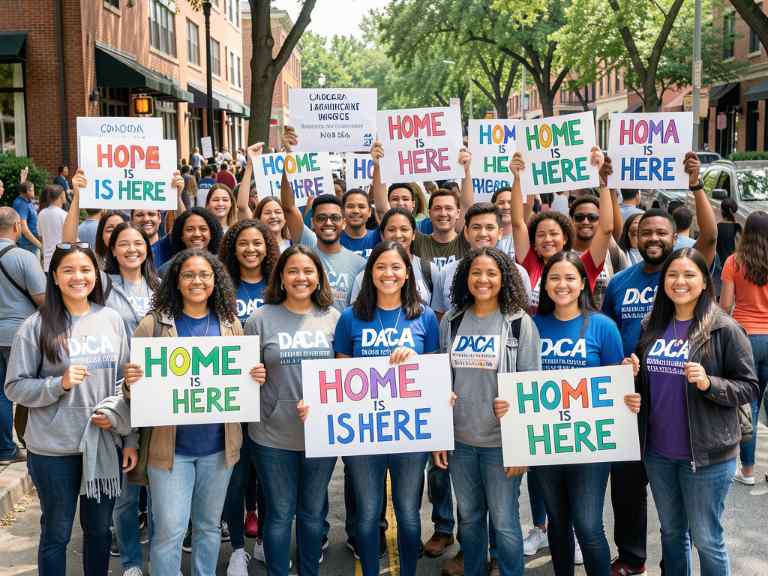
Understanding DACA Recipients Rights in the USA: What You Need to Know
As of December 2024, approximately 530,000 active DACA recipients live, work, and study across the United States under the Deferred Action for Childhood Arrivals program. If you are one of them – or if you are trying to understand what DACA recipients can and cannot do under federal law – this guide breaks down every major right, limitation, and risk you need to understand. DACA recipients rights remain one of the most debated and misunderstood topics in American immigration policy, and the legal landscape continues to shift.
Quick Answer: DACA recipients have the right to work legally, obtain Social Security numbers, access state-level benefits in many states, and attend college. However, DACA does not provide a path to citizenship, federal financial aid, or legal permanent residency. Rights vary significantly by state, and the program’s future depends on ongoing court rulings and potential legislation.
Key Takeaways
- DACA recipients can obtain work authorization through Employment Authorization Documents (EADs) that are valid for two years at a time and renewable.
- DACA does not grant legal immigration status – it provides deferred action from deportation and work authorization, but no path to a green card or citizenship on its own.
- State-level rights vary dramatically – some states grant driver’s licenses, in-state tuition, and professional licenses to DACA recipients, while others do not.
- Travel outside the US requires advance parole – leaving without it can terminate your DACA status and trigger a 3-year or 10-year reentry bar.
- The program faces ongoing legal challenges – a federal court ruling in Texas v. United States has blocked new applications while allowing renewals for existing recipients.

What Is DACA and How Does It Work?
Deferred Action for Childhood Arrivals (DACA) is a federal policy established by executive action in June 2021 under the Obama administration. It protects certain undocumented immigrants who were brought to the United States as children from deportation and provides them with work authorization. The program does not confer legal immigration status – it is a form of prosecutorial discretion exercised by the Department of Homeland Security (DHS).
To qualify, applicants must have arrived in the US before their 16th birthday, have continuously resided in the country since June 15, 2007, been under age 31 as of June 15, 2012, and meet education or military service requirements. They must also pass background checks and have no significant criminal record. According to US Citizenship and Immigration Services (USCIS), the application fee is $495 every two years for renewal.
Important: DACA is not a law passed by Congress. It is an executive policy that can be modified, expanded, or terminated by any presidential administration. This makes DACA recipients rights inherently less stable than rights held by lawful permanent residents or citizens.
What Rights Do DACA Recipients Have at the Federal Level?
The core federal protections under DACA are straightforward but limited. Understanding exactly what you can and cannot do is essential for making informed decisions about your life and career.
Work Authorization
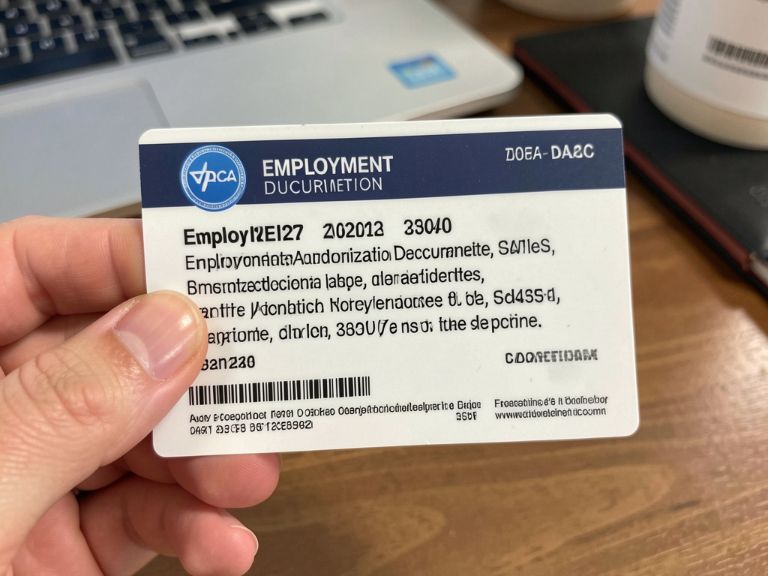
DACA recipients receive an Employment Authorization Document (EAD) card, which allows them to work legally in the United States. You can apply for any job that does not require US citizenship or specific security clearances tied to immigration status. According to the American Immigration Council, over 90% of DACA recipients are employed, and many report significant wage increases after obtaining work authorization.
Your EAD is valid for two years. You must file for renewal 120 to 150 days before it expires. Late renewal can create gaps in your work authorization, which can cause problems with employers. You can file Form I-765 online through your USCIS account.
Social Security Number
Once approved for DACA, you become eligible to obtain a Social Security number (SSN) through the Social Security Administration (SSA). Your SSN is valid only as long as your EAD is active. You must update your employment information with the SSA and your employer each time you renew.
Protection from Deportation
DACA provides deferred action, meaning that DHS agrees not to pursue your removal during the period your DACA is active. This is not immunity – it is a policy decision that can change. If you commit a serious crime or are deemed a national security threat, your deferred action can be terminated.
Federal Benefits DACA Recipients Do NOT Have
This is where many people get confused. DACA recipients are explicitly excluded from most federal public benefits. You cannot receive federal student aid (FAFSA), Medicaid (except emergency Medicaid), Supplemental Nutrition Assistance Program (SNAP), or Affordable Care Act marketplace subsidies. According to the National Immigration Law Center (NILC), these restrictions are written into federal law and apply regardless of how long you have lived in the US or how much you pay in taxes.
State-Level Rights: Where You Live Matters
One of the most important things to understand about DACA recipients rights is that state laws create vastly different realities depending on your zip code. What is available to a DACA recipient in California may be completely unavailable in Texas or Georgia.
Driver’s Licenses and State IDs
As of 2024, approximately 44 states and Washington DC allow DACA recipients to obtain driver’s licenses or state identification cards. States like California, New York, Illinois, and Colorado issue standard licenses. However, states like Arizona and Nebraska have historically restricted access, though court rulings have changed some of these policies. You should check your state’s Department of Motor Vehicles (DMV) for current requirements.
In-State Tuition
About 23 states and DC offer in-state tuition rates to DACA recipients who attended high school in those states. States with inclusive policies include California (AB 540), Texas (HB 1403), New York, Illinois, Virginia, and Colorado. According to Education Data Initiative, DACA recipients who access in-state tuition save an average of $15,000 to $25,000 per year compared to out-of-state rates at public universities.
Conversely, states like Alabama, Georgia, and South Carolina explicitly bar DACA recipients from in-state tuition benefits. If you are planning college, your state’s policy will directly affect your costs.
Professional Licenses
Several states have passed laws allowing DACA recipients to obtain professional licenses in fields like nursing, law, medicine, teaching, and engineering. California, New York, Illinois, and Texas have made significant progress. In 2019, the US Supreme Court declined to review a case involving a DACA recipient lawyer in California, effectively allowing state-level licensing decisions to stand.
Tip: If you are a DACA recipient pursuing a professional license, contact your state licensing board directly. Many boards have updated their policies in recent years, and some no longer ask about immigration status at all.
How Does DACA Affect Travel?
Travel is one of the riskiest areas for DACA recipients. If you leave the United States without first obtaining advance parole, your DACA status is automatically terminated. You could also face a 3-year or 10-year bar from reentering the country.
Advance parole (Form I-131) allows you to travel abroad for educational, employment, or humanitarian purposes and return legally. The filing fee is $630 as of 2024. You must apply before you leave – there is no retroactive approval. USCIS recommends filing at least 90 to 120 days before your planned travel date.
Warning: Travel on advance parole is never guaranteed to be safe. Customs and Border Protection (CBP) officers at ports of entry have discretion to revoke your advance parole. Consult an immigration attorney before traveling, especially if you have any criminal history or prior immigration violations.
What Is the Current Legal Status of DACA?
The legal landscape surrounding DACA is in flux. In September 2023, US District Judge Andrew Hanen in the Southern District of Texas ruled that the original 2012 DACA policy was unlawfully implemented. His ruling in Texas v. United States blocked new DACA applications but allowed current recipients to renew their status.
In 2024, the case continued through the Fifth Circuit Court of Appeals. The court largely upheld Judge Hanen’s findings but remanded the case for further review of a final rule issued by the Biden administration in 2022 that attempted to codify DACA through formal rulemaking. As of late 2024, no new DACA applications are being accepted by USCIS.
According to the Migration Policy Institute, approximately 1.1 million people were eligible for DACA at the program’s inception, but only about 530,000 currently hold active status. The gap reflects people who never applied, let their status expire, or aged out of eligibility.
Common Myths vs Facts About DACA Recipients Rights
Misinformation about DACA is widespread. Here are the facts behind the most common myths.
Myth 1: DACA recipients are “illegal” and have no rights
Fact: DACA recipients are undocumented immigrants who have been granted deferred action and work authorization by the federal government. While they do not have legal immigration status, they have legally recognized rights to work, hold SSNs, and access certain state benefits. Calling them “illegal” is both inaccurate and harmful – the American Bar Association and other legal organizations prefer the term “undocumented.”
Myth 2: DACA gives recipients a path to citizenship
Fact: DACA provides zero immigration status. It is temporary relief from deportation and work authorization. To obtain a green card or citizenship, a DACA recipient would need to qualify through another channel – such as marriage to a US citizen, an employer-sponsored visa, or potential future legislation like the DREAM Act.
Myth 3: DACA recipients drain taxpayer resources
Fact: According to the Center for American Progress, DACA recipients contribute an estimated $42 billion annually to the US gross domestic product. They pay federal, state, and local taxes – including an estimated $5.7 billion in state and local taxes per year. They are ineligible for most federal benefits.

How to Protect Your DACA Status
Given the uncertain legal environment, protecting your DACA status requires proactive steps.
- Renew on time. File your renewal 120 to 150 days before your EAD expires. Late filing can leave you without work authorization and protection from deportation.
- Stay out of legal trouble. Even minor criminal convictions can jeopardize your DACA status. Misdemeanors, drug offenses, and domestic violence charges are particularly dangerous. Consult an attorney if you face any criminal charges.
- Keep records of continuous residence. If your DACA is ever challenged, you will need proof that you have lived in the US continuously since June 15, 2007. Save lease agreements, school records, medical records, tax returns, and employment documents.
- File your taxes. Even if you earn below the standard deduction, filing tax returns creates a paper trail of your residence and demonstrates good moral character. Use an Individual Taxpayer Identification Number (ITIN) if you do not yet have an SSN.
- Stay informed. Immigration policy changes rapidly. Follow updates from USCIS, the National Immigration Law Center, and reputable immigration advocacy organizations.
Tip: Many nonprofit organizations offer free or low-cost DACA renewal assistance. Organizations like We Own It, the United We Dream network, and local legal aid societies can help you with your application and connect you with pro bono attorneys.
Frequently Asked Questions
Can DACA recipients vote in US elections?
No. DACA recipients cannot vote in federal, state, or local elections. Only US citizens can register and vote. Voting as a non-citizen is a federal crime that can result in deportation, fines, and permanent bars to any future immigration benefits.
Can DACA recipients join the military?
Under current policy, DACA recipients cannot enlist in the US military. The Military Accessions Vital to the National Interest (MAVNI) program previously allowed certain non-citizens with critical skills to enlist, but it has been largely suspended since 2016. DACA recipients who are willing to serve should monitor policy changes, as legislation could reopen this pathway.
Can a DACA recipient get married to a US citizen and get a green card?
Yes, but the process is complex. Marriage to a US citizen does not automatically grant legal status. DACA recipients who entered the US without inspection (which is most of them) typically cannot adjust their status from within the US. They may need to leave the country and apply through a consular process, which can trigger a 3-year or 10-year reentry bar. A waiver (Form I-601A) may be available. This is one of the most complex areas of immigration law, and you should work with an experienced immigration attorney.
What happens if DACA is ended by a future administration?
If DACA is terminated, recipients would lose their work authorization and deferred action protections. Their EADs would remain valid until expiration, at which point they could not renew. Congress could pass legislation to protect DACA recipients or create a path to legal status, but no such law has been enacted as of 2024. Some states have enacted their own protections, such as state-level work authorization in California.
Can DACA recipients buy a home or get a mortgage?
Yes. DACA recipients can purchase property and obtain mortgages. Fannie Mae and Freddie Mac allow loans to DACA recipients with valid SSNs and EADs. Many major lenders, including Wells Fargo and Bank of America, offer mortgage products to DACA recipients. You will need to show proof of income, employment authorization, and good credit, just like any other borrower.
Do DACA recipients pay taxes?
Yes. DACA recipients pay all applicable federal, state, and local taxes. According to the Institute on Taxation and Economic Policy, DACA recipients pay an estimated $5.7 billion in state and local taxes annually. They also contribute to Social Security and Medicare through payroll taxes, even though they are ineligible for those benefits.

Resources and Organizations That Can Help
Navigating DACA recipients rights is not something you have to do alone. Several organizations provide free or low-cost legal assistance, policy updates, and community support.
- USCIS DACA Page – The official government resource for filing, renewal, and policy updates.
- National Immigration Law Center – Provides detailed legal guides, state-by-state policy maps, and advocacy resources.
- United We Dream – The largest immigrant youth-led network in the country, offering DACA application assistance and community support.
- Immigration Advocates Network – A directory of free and low-cost immigration legal services by zip code.
- American Bar Association Immigration Resources – Connects individuals with pro bono legal representation.
Final Thoughts
DACA recipients rights in the USA are real but limited, state-dependent, and politically vulnerable. You can work, study, drive, and build a life in most states – but you cannot access federal benefits, vote, or count on permanent legal status without congressional action. The program has survived multiple legal challenges, but its long-term future remains uncertain. Staying informed, renewing on time, keeping clean records, and connecting with legal advocates are the best steps you can take to protect yourself and your family.
The bottom line: DACA provides meaningful but temporary protections that allow hundreds of thousands of young people to contribute fully to their communities, but without legislative reform, these rights exist at the discretion of federal policy and court rulings – not as guaranteed legal status.