
Many people coming to the USA wonder about How to Open a Bank Account in the USA Without Credit History. It can seem tricky because banks often check your credit. But don’t worry!
It’s totally possible, and we’ll walk you through it step-by-step. We’ll cover everything you need to know to get started with a new bank account, even without a credit past. Let’s get this sorted out easily.
Key Takeaways
- You can open a bank account in the USA even if you have no credit history.
- Certain types of accounts and banks are more beginner-friendly.
- You will need specific identification documents to open an account.
- Understanding different account types helps you choose the best fit.
- There are alternative banking options if traditional banks don’t work.

Starting with a US Bank Account
Opening a bank account in the United States is a common goal for many people who are new to the country, students, or just starting their financial lives. A bank account is your gateway to managing money, paying bills, and building a financial future. It allows you to keep your money safe and accessible.
For those without a credit history, the process might seem a little more involved, but it’s far from impossible. Many banks understand that people start somewhere, and they have options designed for newcomers. This section will explore the basic requirements and general approaches you can take.
What Banks Look For
When you apply to open a bank account, the institution needs to verify who you are and that you are a real person. They also want to ensure you are not trying to open an account for any illegal activities. Because of this, they have standard procedures for checking identification.
Even without a credit history, this identification is key. Banks use your personal information to create a record of your account. This helps them manage accounts and comply with laws that prevent financial crimes.
- Identity Verification: Banks need to be sure you are who you say you are. This is a standard practice worldwide for financial institutions. They use official documents to confirm your identity.
- Address Verification: They also need to know where you live. This helps them send you important mail, like bank statements or new cards. It also helps them comply with regulations.
- Contact Information: Providing up-to-date phone numbers and email addresses is essential. This allows the bank to communicate with you about your account and important updates.
Types of Accounts for Beginners
Not all bank accounts are the same. Some are simpler and require fewer things from you. For people new to banking or without a credit history, basic checking and savings accounts are usually the best starting point.
These accounts are designed for everyday use. They allow you to deposit money, withdraw it, and write checks or use a debit card. Banks offer these accounts to everyone.
They are the foundation of your banking experience and don’t typically involve credit checks.
Checking Accounts
A checking account is like a wallet for your money that you can access easily. You can put money in and take money out whenever you need it. You can also use a debit card linked to this account to buy things.
Many checking accounts come with a checkbook, which you can use to pay bills or send money to others. These accounts are very common and useful for daily spending. They are usually the first type of account people open when they start banking.
- Direct Deposit: Many employers can directly deposit your paycheck into your checking account. This makes getting paid quick and easy.
- Bill Payments: You can pay bills directly from your checking account online or by writing a check. This helps you manage your expenses efficiently.
- ATM Access: Most checking accounts come with an ATM card or debit card, letting you withdraw cash or check your balance at ATMs.
Savings Accounts
A savings account is a place to keep money you don’t need to spend right away. It’s like a piggy bank, but it’s in a bank. The money in a savings account usually earns a little bit of extra money called interest.
This means your money can grow over time. Savings accounts are great for setting money aside for future goals, like a down payment on a car or a vacation. They are generally easy to open and don’t require a credit history.
- Interest Earnings: Savings accounts typically offer interest, allowing your money to grow passively. While the rates can vary, it’s a way to earn a bit more without doing anything.
- Goal Setting: These accounts are perfect for setting aside funds for specific goals. It helps you track your progress and stay motivated.
- Safety: Keeping money in a savings account is much safer than keeping large amounts of cash at home. Your funds are protected by the bank.
Finding the Right Bank
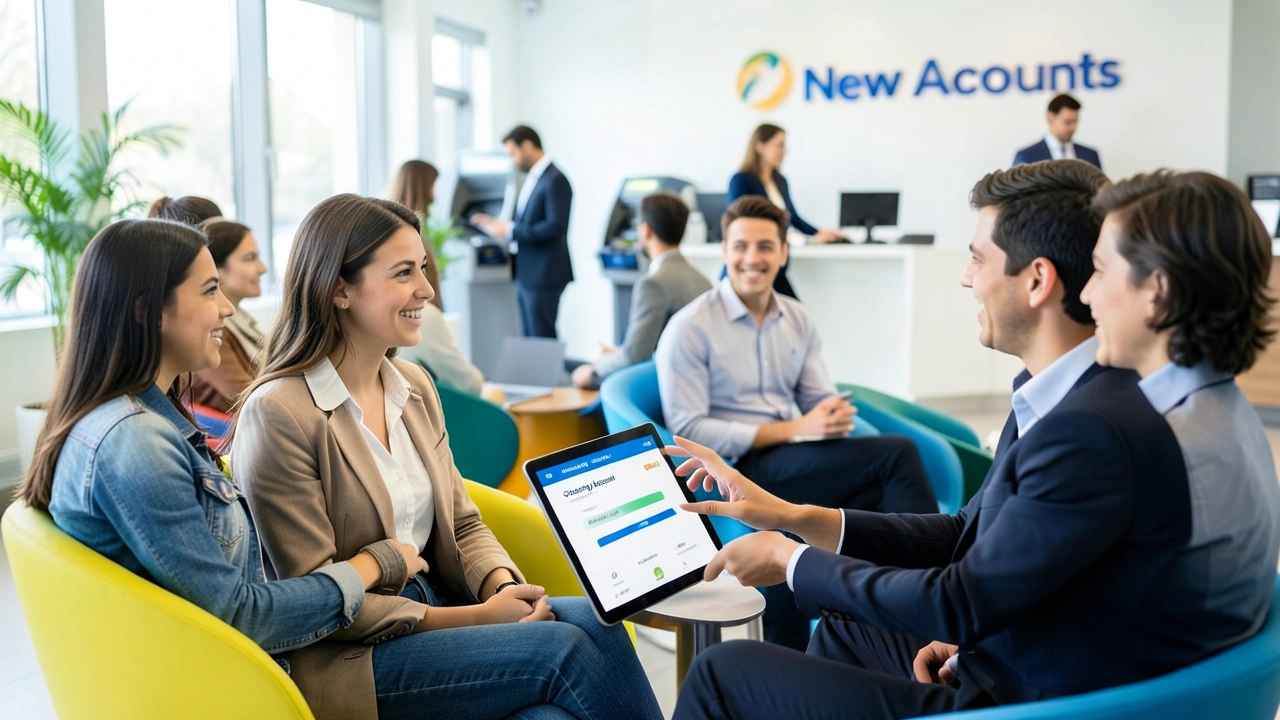
Choosing the right bank is an important step when you want to open a bank account in the USA without credit history. Some banks are more welcoming to new customers with limited financial backgrounds. Large national banks, smaller community banks, and credit unions all have different policies.
It’s good to compare them to see which one fits your needs best. Looking at their requirements for new accounts and any fees they charge can help you make a smart choice. Some banks even have special programs for students or those new to the country.
Large National Banks
Big banks like Chase, Bank of America, and Wells Fargo operate all over the country. They often have many branches and ATMs, which can be very convenient. These banks usually have well-developed online and mobile banking apps.
For someone opening an account without credit history, they generally have clear requirements. You’ll need your identification, and they’ll guide you through the process. Sometimes, these banks might have minimum balance requirements or monthly fees, so it’s important to check the details.
- Wide Reach: With branches and ATMs nationwide, you can usually find a location or machine nearby, no matter where you are.
- Digital Services: They offer advanced mobile apps and online banking platforms for easy account management. This includes mobile check deposit and bill pay.
- Student/Newcomer Programs: Some large banks offer specific accounts or benefits for students or individuals new to the U.S.
Community Banks and Credit Unions
Community banks and credit unions are often smaller and serve a specific local area or group. Credit unions are not-for-profit organizations owned by their members. This often means they can offer better interest rates on savings and lower fees on loans.
They tend to have a more personal approach and can be very helpful to customers. If you’re looking to open a bank account without a credit history, a community bank or credit union might be more flexible. They often focus more on your relationship with them rather than just your credit score.
- Personalized Service: These institutions often provide a more friendly and personal banking experience. They may take more time to help you understand your options.
- Lower Fees and Better Rates: Because credit unions are member-owned, they often pass savings on to their members through lower fees and higher interest rates.
- Local Focus: Community banks are invested in their local areas and may offer services tailored to the needs of their community members.
What to Bring to the Bank
When you go to open a bank account, having the right documents ready will make the process go smoothly. Banks are required by law to verify your identity. This helps prevent fraud and identity theft.
Without a credit history, your identification and proof of address are even more important. Make sure these documents are current and valid. Some banks might have slightly different lists, so it’s always a good idea to check their website or call ahead.
Identification Documents
You’ll need official forms of identification. These documents prove that you are who you claim to be. A government-issued photo ID is usually the first thing they ask for.
This confirms your identity and that you are of legal age to open an account. Having a couple of different types of ID can be helpful, just in case.
- Government-Issued Photo ID: This typically includes a U.S. driver’s license, a state-issued ID card, or a U.S. passport. If you are not a U.S. citizen, your foreign passport might be accepted, often with a visa.
- Social Security Number (SSN) or Individual Taxpayer Identification Number (ITIN): While not always strictly required for opening an account, having an SSN or ITIN can make the process easier and might be necessary for certain account features or if the bank’s system requires it. If you don’t have one, some banks might allow you to open an account using a different identifier or offer specific accounts.
- Secondary Identification: Sometimes, a second form of ID is requested. This could be a credit card, a student ID, or a birth certificate.
Proof of Address
Banks need to confirm your residential address. This shows where you live in the United States. It helps them keep your account information accurate and send you important mail.
If you’ve just arrived, this might be one of the trickier things to provide. However, many options exist.
- Utility Bills: A recent bill for services like electricity, gas, or water in your name at your current address is often accepted.
- Lease Agreement: If you are renting an apartment or house, a copy of your signed lease agreement can serve as proof of address.
- Official Mail: Sometimes, official letters from government agencies or other institutions sent to your address can be used.
Alternative Banking Solutions
If you find that opening a traditional bank account is proving difficult, or if you’re looking for different options, there are alternatives. These can still help you manage your money effectively. For people who can’t meet the requirements of standard banks, especially when you’re new to the country, these alternatives offer great flexibility and accessibility.
They are designed to be easier to use and understand, making them perfect for beginners.
Prepaid Debit Cards
Prepaid debit cards are like debit cards but are not linked to a bank account. You load money onto the card, and then you can use it to make purchases or withdraw cash. They are very easy to get, as they typically do not require a credit check or even an SSN in some cases.
They are a good way to control your spending and can be used anywhere debit cards are accepted. Many retailers sell these cards, and you can load them with cash or use direct deposit.
- Easy Access: You can purchase and start using many prepaid cards almost immediately, with minimal personal information required.
- Budget Control: Since you can only spend the money you load onto the card, it helps you stick to a budget and avoid overspending.
- No Credit Check: These cards are not tied to your credit history, making them a perfect option for those without a credit record.
Online-Only Banks
Online-only banks, also known as neobanks or digital banks, offer banking services through websites and mobile apps. They don’t have physical branches. Because they have lower overhead costs, they can often offer better interest rates on savings and lower or no monthly fees on checking accounts.
Many online banks are very welcoming to new customers and have straightforward application processes. They require identification similar to traditional banks, but the application is entirely online.
- Convenience: Manage your money anytime, anywhere, using your phone or computer. All transactions and services are digital.
- Competitive Rates and Fees: Online banks often offer higher interest rates on savings and checking accounts, and may have fewer or no monthly service fees.
- User-Friendly Technology: They typically have modern, easy-to-use apps and websites designed for a smooth user experience.
Money Transfer Services
Services like Western Union or MoneyGram are primarily for sending money to others, often internationally. However, some also offer ways to receive money. While not a full bank account, they provide a way to handle transactions when other options are limited.
You can receive funds from family or employers. These services are widely available in many locations.
- Global Reach: These services are excellent for sending or receiving money across borders, connecting people globally.
- Speedy Transactions: Funds can often be available for pickup or deposited very quickly, sometimes within minutes.
- Accessibility: Numerous physical agent locations exist worldwide, making them easy to use for many people.

How to Open a Bank Account in the USA Without Credit History: A Step-by-Step Guide
Now that you know the options and what you need, let’s put it all together. Following these steps will help you successfully open a bank account in the USA even if you are starting with no credit history. The process is designed to be clear and manageable.
We will walk through each stage, from preparation to finalizing your new account. Think of this as your personal roadmap to getting your finances set up right.
- Research Banks and Account Types: Before you go anywhere, look into different banks. Compare their requirements, fees, and the types of checking and savings accounts they offer. Consider online banks or local credit unions if you’re concerned about credit history.
- Gather Your Documents: Collect all the necessary identification and proof of address documents we discussed. Make sure they are valid and current. Having everything ready will speed up your application.
- Visit the Bank or Apply Online: You can often start the application process online for many banks. If you prefer a personal touch, visit a branch. A bank representative will guide you through filling out the application form.
- Complete the Application: Fill out the bank’s application form honestly and completely. Provide your personal details, contact information, and details from your identification documents.
- Make an Initial Deposit: Most accounts require a small initial deposit to be activated. This amount varies by bank and account type. You can usually deposit cash or a check.
- Receive Your Account Information and Cards: Once approved, you’ll get your account number and routing number. Your debit card and checks will typically be mailed to your address within a week or two.
Frequently Asked Questions
Question: Can I open a bank account in the USA if I am not a U.S. citizen?
Answer: Yes, many banks allow non-citizens to open accounts. You will need proper identification, such as a foreign passport and possibly a visa, along with proof of address in the U.S.
Question: Do I need a Social Security Number to open a bank account?
Answer: While a Social Security Number (SSN) or Individual Taxpayer Identification Number (ITIN) can make the process easier, it’s not always mandatory. Some banks allow you to open an account without one, especially if you provide alternative identification.
Question: How long does it take to get a debit card after opening an account?
Answer: Typically, your debit card will be mailed to your address within 7 to 10 business days after your account is approved and opened.
Question: Are there any fees associated with opening a bank account with no credit history?
Answer: Some accounts might have monthly maintenance fees if a minimum balance isn’t met, or fees for certain transactions. It’s important to check the bank’s fee schedule for the specific account you choose.
Question: What happens if my application is rejected?
Answer: If your application is rejected, try to find out the reason. You may need to provide different documents or consider a different bank or an alternative like a prepaid card or online bank.

Conclusion
Opening a bank account in the USA without credit history is achievable with the right information. You have solid options, from basic checking and savings to online banks and prepaid cards. Gathering your identification and proof of address is the key first step.
Many banks are ready to help newcomers get started. Now you know how to set up your finances simply and effectively.