
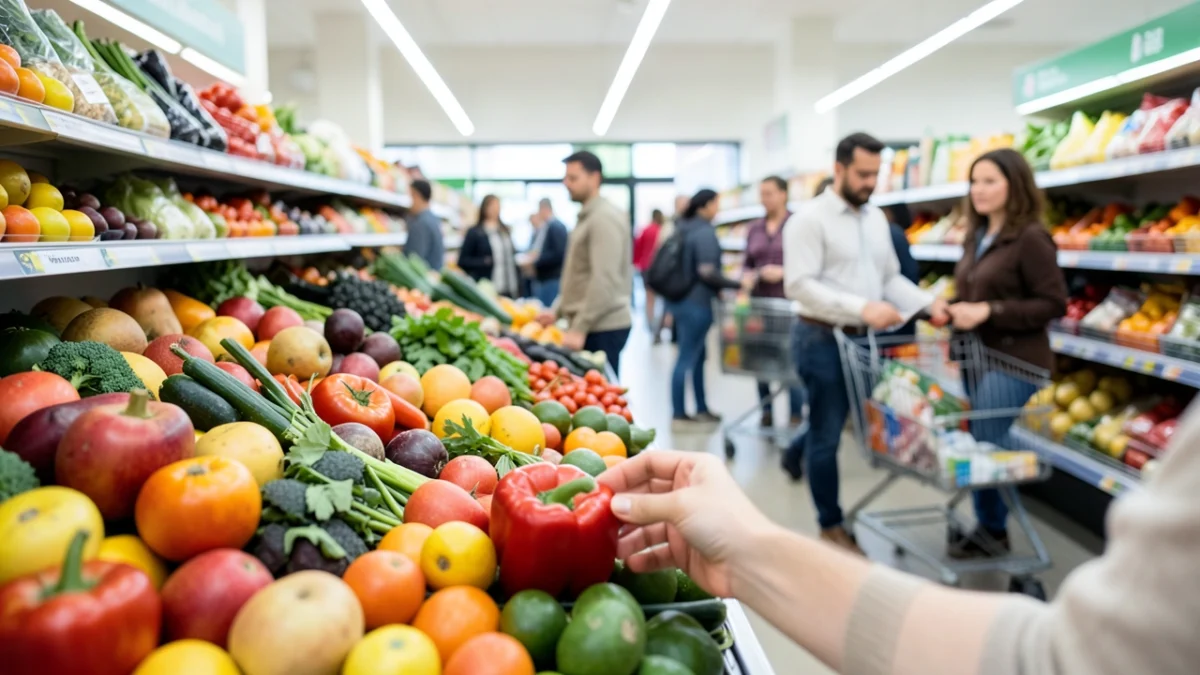
Stepping into a new country is exciting, but figuring out where to buy food can feel a bit overwhelming at first. The First Grocery Shopping Guide for New Immigrants is meant to make this easy. It’s tough when you don’t know the stores, the products, or even how to ask for things.
This guide is here to help. We will break it all down step-by-step so you feel confident. Get ready to learn how to shop for groceries like a pro.
Key Takeaways
- You will learn about different types of grocery stores.
- This guide explains how to read food labels and understand prices.
- You will get tips on making a shopping list and sticking to a budget.
- We cover how to handle checkout and pay for your groceries.
- You will discover ways to save money while grocery shopping.
- This post helps you find common ingredients and new foods to try.
Understanding Your Grocery Options
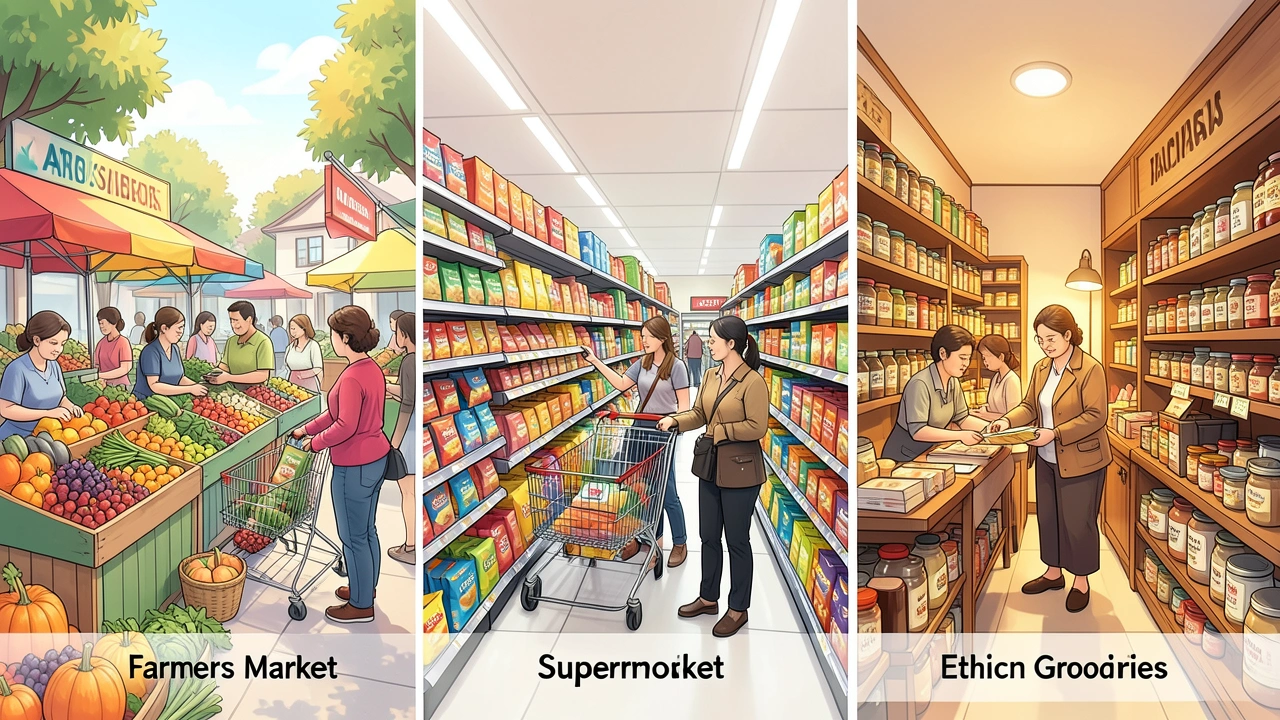
When you first start grocery shopping, you’ll notice there are many kinds of stores. Each one offers something a little different. Knowing these options helps you choose the best place for your needs and budget.
Think of it like choosing the right tool for a job. This section will explore the main types of grocery stores you’ll find, helping you decide where to go for different items.
Supermarkets and Hypermarkets
Supermarkets are large stores that sell a wide variety of food and household items. You can find fresh produce, meat, dairy, packaged goods, and even some clothing or electronics in larger ones. They are often organized by sections, like a bakery, a deli counter, and a produce aisle.
Hypermarkets are even bigger than supermarkets. They combine a supermarket with a department store, offering an even wider range of products.
These big stores are convenient because you can get almost everything you need in one trip. They often have good sales and loyalty programs that can save you money. However, because they are so large, it can sometimes be hard to find specific items if you are new to the store.
The sheer number of choices can also be a bit much when you are just starting out.
- Supermarkets: Offer a broad selection of food and household goods.
- Hypermarkets: Very large stores that sell groceries and general merchandise.
Supermarkets are your go-to for everyday essentials. You’ll find everything from fresh fruits and vegetables to canned goods, frozen foods, and cleaning supplies. They are usually well-lit and organized, making it easier to find what you need.
Many supermarkets also have bakeries, butcher counters, and prepared food sections for convenience.
Imagine a supermarket and a department store combined, and you have a hypermarket. These massive stores aim to be a one-stop shop for everything. You can buy your weekly groceries, then pick up electronics, furniture, or clothing all under one roof.
They are great for bulk buying and often have very competitive prices.
Specialty Food Stores
Specialty food stores focus on particular types of products. This could be an international market, a bakery, a butcher shop, or a store selling only organic produce. These stores often have unique items you might not find in a regular supermarket.
For new immigrants, ethnic or international markets can be a treasure trove for familiar ingredients and spices from their home country.
While they might not have everything a large supermarket does, specialty stores offer high quality and often hard-to-find items. The staff in these stores are usually very knowledgeable about their products and can offer great advice. Shopping here can be a more personal experience.
- Ethnic or International Markets: Sell foods and ingredients specific to different cultures.
- Farmers’ Markets: Offer fresh, locally grown produce, meats, and baked goods.
These markets are incredibly valuable for new immigrants. You can find spices, grains, vegetables, and prepared foods that remind you of home. They offer a chance to reconnect with familiar flavors and also to discover new ones.
Don’t be afraid to ask the staff for help; they are often happy to explain what different products are.
Farmers’ markets are a great place to find seasonal produce directly from the people who grew it. The quality is usually excellent, and you support local farmers with your purchases. You can often talk to the farmers themselves, learn about how the food is grown, and find unique varieties of fruits and vegetables.
They are also vibrant community spaces.
Discount Stores and Convenience Stores
Discount stores offer lower prices, often by selling goods in bulk or having simpler store layouts. Convenience stores are small shops that are open long hours and sell a limited selection of everyday items. They are good for quick stops but usually more expensive for bulk shopping.
When you’re on a tight budget, discount stores can be very helpful. They might not have the widest selection, but they can help you save money on essentials. Convenience stores are best for when you need just one or two things and don’t have time to go to a larger store.
It’s good to know about all these options to shop smarter.
- Discount Grocery Stores: Focus on offering lower prices, sometimes with fewer choices or brands.
- Convenience Stores: Small stores with limited selection, open long hours for quick purchases.
These stores aim to keep costs down. You might find store brands that are cheaper than name brands, or items that are sold in larger quantities. They are a good option when you need to stretch your grocery budget.
While the selection might be smaller, you can often find good deals on staple items.
Convenience stores are perfect for those moments when you realize you’re out of milk or need a quick snack. They are usually located in easily accessible places and are open late or even 24 hours. However, the prices are typically higher than at larger supermarkets, so they are best for small, urgent needs rather than your main weekly shop.
Navigating the Aisles: What to Look For
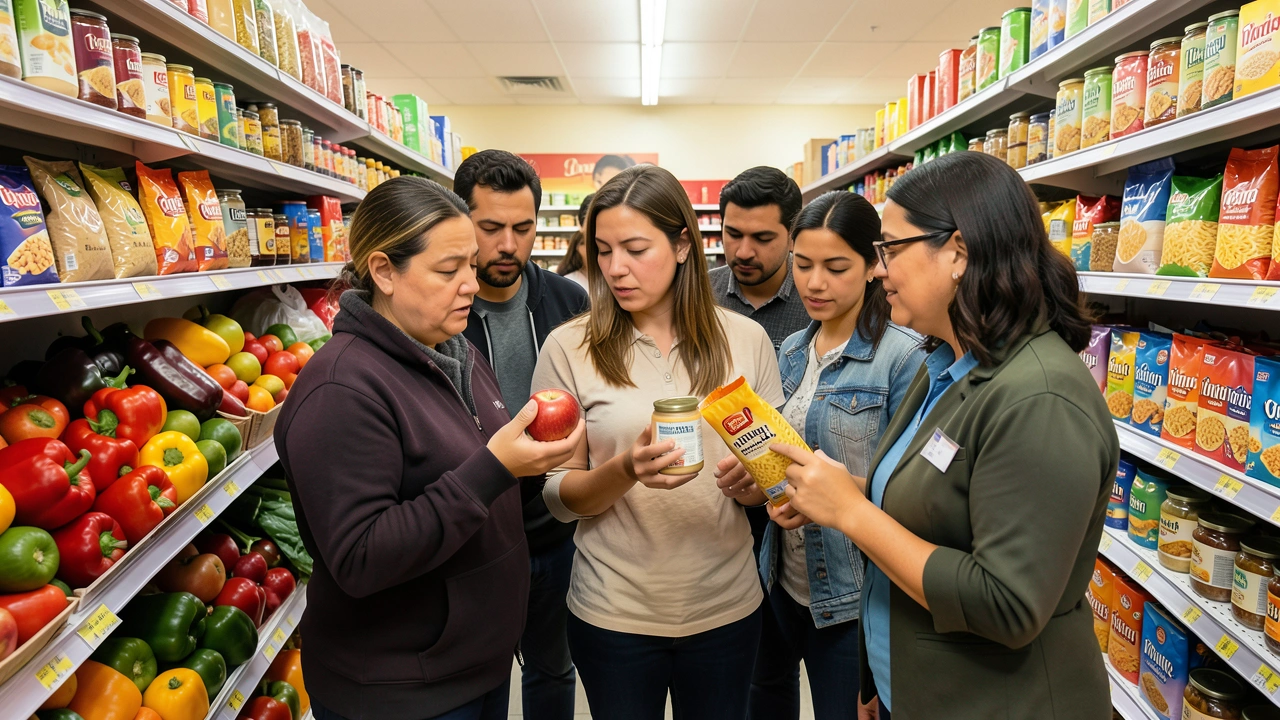
Once you’re in a grocery store, the aisles can seem like a maze. Knowing what to expect in different sections will make your shopping trip much smoother. This part of the guide will help you understand how stores are typically laid out and what you can find in each area.
It’s about making sense of the choices and finding what you need efficiently.
Produce Section
The produce section is usually one of the first places you’ll see when you enter a grocery store. It’s filled with fresh fruits and vegetables. You can find everything from apples and bananas to leafy greens and root vegetables.
Many stores have a variety of options, including organic and conventional choices. It’s important to know how to select good quality produce.
When choosing fruits and vegetables, look for items that are firm, have bright colors, and are free from bruises or soft spots. Some fruits, like bananas or avocados, might be bought when they are still hard and ripened at home. Staff in the produce section can often help you if you have questions about ripeness or how to store certain items.
- Fresh Fruits: Apples, bananas, oranges, berries, melons, and more.
- Fresh Vegetables: Leafy greens, root vegetables, peppers, onions, and more.
- Herbs: Fresh parsley, cilantro, basil, and other flavor enhancers.
Fruits are a great source of vitamins and natural sweetness. You’ll find them in a rainbow of colors. For example, apples can be eaten raw, baked into pies, or added to salads.
Bananas are easy to peel and eat on the go. Berries are perfect for breakfast cereals or desserts. When buying, feel for firmness and avoid any that are bruised or moldy.
Vegetables provide essential nutrients and fiber. Leafy greens like spinach and lettuce are great for salads. Root vegetables such as carrots and potatoes can be boiled, roasted, or mashed.
Bell peppers and onions add flavor to many dishes. Look for crispness and good color. Avoid vegetables that are wilted or have soft spots.
Fresh herbs can elevate any meal. They add a burst of flavor and aroma. Parsley is often used as a garnish or for adding freshness.
Cilantro is a key ingredient in many ethnic cuisines. Basil is popular in Italian cooking. It’s best to buy herbs that look vibrant and are not wilted.
Store them in water or wrapped in a damp paper towel in the refrigerator.
Meat, Poultry, and Seafood
This section offers various protein sources. You’ll find different cuts of beef, chicken, pork, and fish. Stores often have a butcher counter where you can ask for specific cuts or sizes.
Pre-packaged options are also available for convenience. It’s important to check the sell-by dates and the packaging for freshness.
When selecting meat, poultry, or seafood, look for bright, natural colors. For example, fresh beef is typically red, pork is pinkish, and chicken is a pale pink. Fish should have clear eyes and firm flesh.
If the packaging is leaking or the item has a strong, unpleasant odor, it’s best to avoid it. Proper storage in the refrigerator or freezer is crucial to maintain safety.
- Beef: Steaks, ground beef, roasts, and other cuts.
- Poultry: Chicken, turkey, and other fowl.
- Seafood: Fish fillets, shrimp, salmon, and other aquatic options.
Beef is a popular source of protein and iron. You can find many different cuts, from tender steaks to versatile ground beef. Ground beef is great for burgers, tacos, and sauces.
Steaks are usually grilled or pan-fried. Roasts are slow-cooked for tender meals. Look for meat that is a bright red color.
The marbling (fat streaks) can indicate tenderness and flavor.
Chicken is a common and versatile protein. You can buy whole chickens, breasts, thighs, or wings. Chicken breast is lean and good for grilling or stir-fries.
Chicken thighs are more flavorful and moist. Turkey is often used for roasts, especially during holidays, but also comes in ground or breast forms. Ensure poultry is pinkish or pale yellow and has no off smell.
Seafood offers healthy fats like omega-3s. Fish like salmon and cod are popular choices. Shrimp is quick to cook and can be used in many dishes.
When buying fish, it should smell fresh like the ocean, not fishy. The flesh should be firm and spring back when you gently press it. For frozen seafood, make sure the packaging is intact and free of ice crystals.
Dairy and Refrigerated Goods
This area of the store is where you’ll find items that need to be kept cold. This includes milk, cheese, yogurt, eggs, and butter. You’ll also find items like tofu, juices, and some prepared meals here.
It’s important to check the expiration dates on these products carefully. Ensure refrigerated items feel cold to the touch when you select them.
Milk and yogurt are staples for many households. Cheese comes in endless varieties, from hard cheddar to soft mozzarella. Eggs are a versatile source of protein.
Always look for the best-by dates to ensure freshness. If you plan to use an item within a few days, you might choose one with a closer date, which could sometimes be discounted.
- Milk and Milk Alternatives: Cow’s milk, almond milk, soy milk, oat milk.
- Cheese: Sliced, shredded, blocks, and specialty cheeses.
- Yogurt and Other Fermented Foods: Plain yogurt, flavored yogurts, kefir, sour cream.
- Eggs: Standard, cage-free, organic options.
Cow’s milk is a common source of calcium. For those who are lactose intolerant or prefer plant-based options, there are many alternatives like almond, soy, or oat milk. These are often fortified with vitamins and minerals.
Check the labels for sugar content and added nutrients. Always keep them refrigerated after opening.
Cheese adds flavor and richness to meals. From cheddar for sandwiches to mozzarella for pizza, there’s a cheese for every purpose. Blocks can be sliced or shredded at home.
Pre-shredded cheese is convenient but sometimes contains anti-caking agents. Many specialty cheeses offer unique tastes and textures. Store cheese properly wrapped to keep it fresh.
Yogurt is known for its probiotics, which are good for gut health. You can find plain yogurt for cooking or flavored varieties for a treat. Kefir is a tangy, drinkable yogurt.
Sour cream is often used as a topping or in dips and sauces. Look for yogurts with live and active cultures. Check the sugar content, as some flavored yogurts can be high in sugar.
Eggs are a source of protein and can be cooked in many ways. You’ll see different options like standard white or brown eggs, as well as cage-free and organic. Cage-free means the hens are not kept in small cages.
Organic eggs come from hens fed organic feed and are also cage-free. Check the carton for any cracked eggs.
Pantry Staples
The pantry section holds non-perishable food items that can be stored at room temperature for a long time. This includes things like canned goods, pasta, rice, bread, cereal, cooking oils, spices, and baking supplies. These items form the foundation of many meals and are good to stock up on.
Buying pantry staples is often more budget-friendly, especially when they are on sale. Canned beans, tomatoes, and vegetables can be used in countless recipes. Rice and pasta are filling and inexpensive.
Cooking oils like olive oil and vegetable oil are essential for cooking. Spices add flavor without adding calories. Reading labels helps you choose healthier options.
- Grains and Pasta: Rice, pasta, oats, quinoa, bread.
- Canned Goods: Vegetables, fruits, beans, soups, tuna.
- Cooking Oils and Fats: Olive oil, vegetable oil, butter, margarine.
- Spices and Seasonings: Salt, pepper, herbs, spice blends.
Grains and pasta are filling and versatile. Rice is a staple in many cultures and can be served as a side dish or base for meals. Pasta comes in many shapes and sizes, perfect for different sauces.
Oats are great for breakfast. Quinoa is a nutritious grain. Whole grain options are generally healthier, offering more fiber and nutrients.
Check the ingredients to avoid added sugars or excessive sodium.
Canned goods are convenient and have a long shelf life. Canned vegetables and fruits can be a good option when fresh items are out of season or too expensive. Canned beans are a great source of protein and fiber, perfect for chilis, salads, or dips.
Canned soups can be a quick meal, and canned tuna is useful for sandwiches and salads. Look for low-sodium options when possible.
Cooking oils and fats are essential for preparing most meals. Olive oil is popular for its flavor and health benefits, especially extra virgin olive oil. Vegetable oil is a more neutral and often cheaper option.
Butter is used for both cooking and baking. Margarine is a butter substitute. Consider the smoke point of oils when choosing them for different cooking methods, like frying or baking.
Spices and seasonings can transform a simple dish into something delicious. Salt and pepper are fundamental. Dried herbs like oregano, basil, and thyme add aromatic flavors.
Spice blends can offer complex flavor profiles. Buying whole spices and grinding them yourself can provide a stronger flavor. Store spices in a cool, dark place to maintain their potency.
Making Smart Choices: Reading Labels and Budgeting
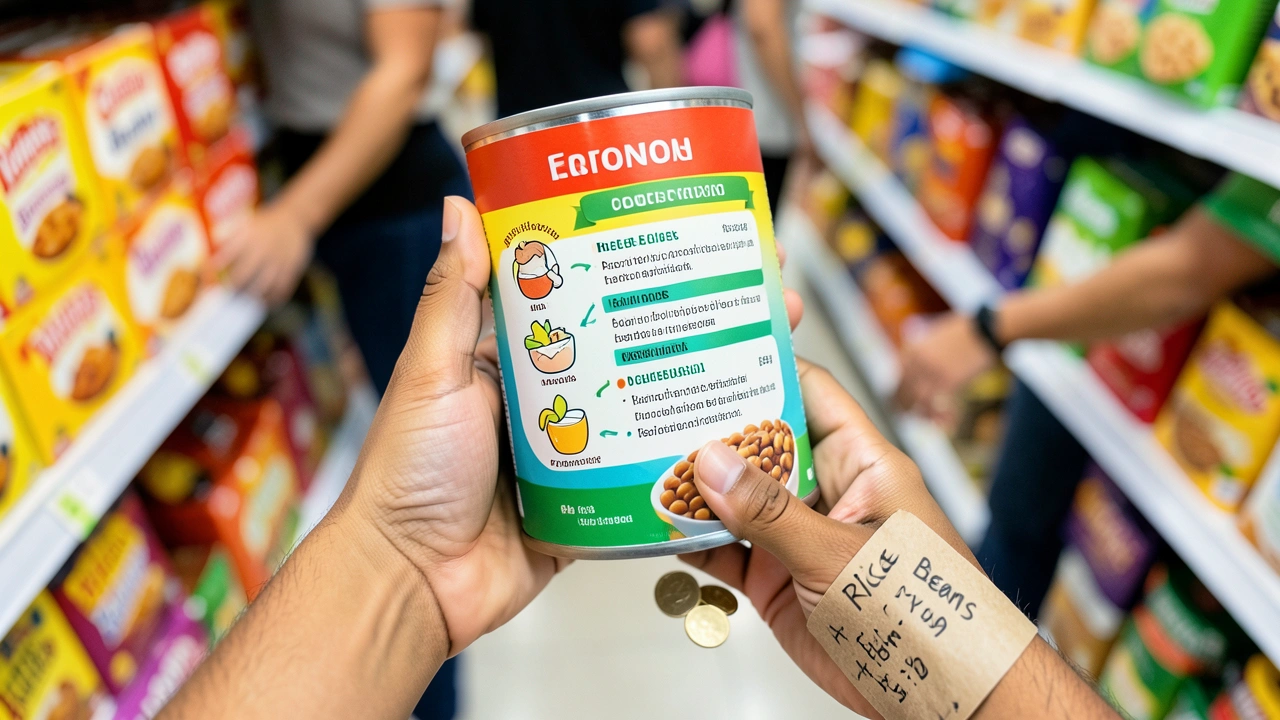
Shopping for groceries involves more than just picking items off shelves. It’s about making informed decisions that fit your health needs and your wallet. This section will teach you how to understand what’s on food labels and how to create a budget to save money.
These skills are key to becoming a confident shopper.
Understanding Nutrition Labels
Nutrition labels, often called the ‘Nutrition Facts’ panel, are found on most packaged foods. They provide important information about the product’s contents. Learning to read these labels helps you make healthier choices.
You can see how much of certain nutrients are in a serving, such as calories, fat, sugar, and sodium.
The key to using nutrition labels is to look at the serving size first. Everything else on the label is based on that serving size. If you eat more or less than one serving, you’ll need to adjust the numbers accordingly.
Pay attention to the Daily Value (%DV), which shows how much a nutrient in a food contributes to a total daily diet.
- Serving Size: The amount of food the nutritional information is based on.
- Calories: The energy the food provides.
- Fats: Including saturated and trans fats, and cholesterol.
- Sodium: Important for fluid balance, but too much can be harmful.
- Carbohydrates: Including sugars and fiber.
- Proteins: Essential for building and repairing tissues.
- Vitamins and Minerals: Such as Vitamin D, Calcium, Iron, Potassium.
This is the first thing to check. The numbers for calories, fat, sugar, etc., are for just this amount. If a bag of chips lists a serving size of 1 ounce (about 10 chips), and you eat the whole bag (4 ounces), you’ll be consuming four times the listed calories and nutrients.
Always compare serving sizes when looking at different products.
Calories tell you how much energy you get from eating a specific amount of food. If you are trying to manage your weight, paying attention to calorie intake is important. Foods that are high in calories but low in nutrients are often called “empty calories.” It’s good to choose foods that offer more nutritional value for their calorie count.
Fats are necessary for your body, but some types are healthier than others. Saturated fats and trans fats can raise cholesterol levels and increase the risk of heart disease. Aim to limit these.
Unsaturated fats, found in oils like olive oil and avocados, are generally considered healthier. Cholesterol is found in animal products.
Sodium is a component of salt. While your body needs a small amount of sodium, most people consume too much. High sodium intake can lead to high blood pressure.
Many processed foods, like canned soups and frozen meals, are high in sodium. Reading labels helps you find lower-sodium options.
Carbohydrates provide energy. Sugars are a simple form of carbohydrate. While some sugars are natural, like those in fruit, added sugars in processed foods can be a concern.
Fiber is a type of carbohydrate that is good for digestion and can help you feel full. Whole grains, fruits, and vegetables are good sources of fiber.
Protein is vital for building and repairing muscles, skin, and other tissues. It also helps you feel full. You can get protein from meat, fish, dairy, eggs, beans, nuts, and seeds.
The amount of protein needed varies by age and activity level. Most people in developed countries get enough protein.
These are micronutrients that your body needs in smaller amounts but are essential for good health. Labels highlight key vitamins and minerals. For example, calcium and Vitamin D are important for bone health.
Iron is crucial for carrying oxygen in your blood. Potassium helps regulate blood pressure. A varied diet usually provides enough of these.
Creating a Shopping List
A shopping list is one of the most effective tools for staying organized and on budget. Before you go to the store, take a few minutes to think about what meals you plan to make and what ingredients you already have. This helps prevent impulse buys and ensures you don’t forget essential items.
Organize your list by store sections (produce, dairy, pantry) to make your shopping trip more efficient. This way, you can move through the store in a logical order, reducing the chances of backtracking. Having a list also helps you compare prices more easily and stick to your intended purchases.
- Plan Your Meals: Decide what you will eat for the week.
- Check Your Pantry and Fridge: See what you already have.
- Write Down Ingredients Needed: Based on your meal plan and inventory.
- Organize Your List: Group items by store section.
This is the first step to a good list. Think about breakfast, lunch, and dinner. Consider how much time you have for cooking each day.
If you have busy evenings, plan for quick meals or leftovers. Having a meal plan helps you buy only what you need, reducing food waste and saving money.
Before writing anything down, look through your kitchen. You might be surprised to find ingredients you forgot about. This step prevents you from buying duplicates.
It’s a simple way to save money and use up what you already own.
Once you know what you’re making and what you have, jot down the specific ingredients you need. Be precise. Instead of “vegetables,” write “onions,” “carrots,” or “broccoli.” This specificity helps you buy the right amount and avoid confusion in the store.
This makes your shopping trip much faster. Grouping items like “apples, bananas, lettuce” together under “Produce,” and “milk, cheese, yogurt” under “Dairy,” means you can go through the store section by section without having to crisscross aisles. This saves time and can prevent you from being tempted by items in other departments.
Sticking to a Budget
Grocery shopping can be a significant part of a household’s expenses. Setting a budget and sticking to it is crucial. This means deciding how much money you can spend on groceries each week or month and then making conscious choices to stay within that limit.
It requires a bit of planning and discipline.
One of the best ways to save money is to buy generic or store brands. These are often just as good as name brands but cost less. Also, look for sales and use coupons when available.
Planning meals around what’s on sale can lead to substantial savings. Remember to compare prices per unit to find the best value.
- Set a Weekly or Monthly Grocery Budget: Decide how much you can spend.
- Compare Prices: Look at unit prices to find the best value.
- Buy Store Brands: They are usually cheaper and good quality.
- Look for Sales and Coupons: Take advantage of discounts.
- Avoid Impulse Buys: Stick to your list and avoid tempting extras.
This is the foundation of budget-friendly shopping. Figure out how much money you can realistically set aside for groceries each week or month. Having a clear number in mind will guide your purchasing decisions.
If you find you’re consistently over budget, you’ll know you need to re-evaluate your choices.
Don’t just look at the total price of an item. Many stores show the “unit price,” which is the cost per ounce, pound, or other unit of measurement. This helps you compare different sizes and brands to see which offers the most for your money.
A larger package might seem more expensive initially, but its unit price could be lower.
Store brands, also known as generic brands, are made by the grocery store itself. They are typically much cheaper than name brands because the manufacturer doesn’t spend as much on advertising. For many products, like canned goods, pasta, or cleaning supplies, the quality is very similar.
Give them a try!
Weekly flyers and store apps often highlight sales. Plan your meals around these deals. Coupons can offer additional savings.
Some stores offer digital coupons that can be loaded directly onto your loyalty card. Combining sales with coupons can lead to significant savings on your grocery bill.
It’s easy to be drawn in by attractive displays or special offers, but these unplanned purchases can quickly add up. Stick to your shopping list as much as possible. If you see something you didn’t plan for, ask yourself if you truly need it or if it fits within your budget.
If not, leave it on the shelf.
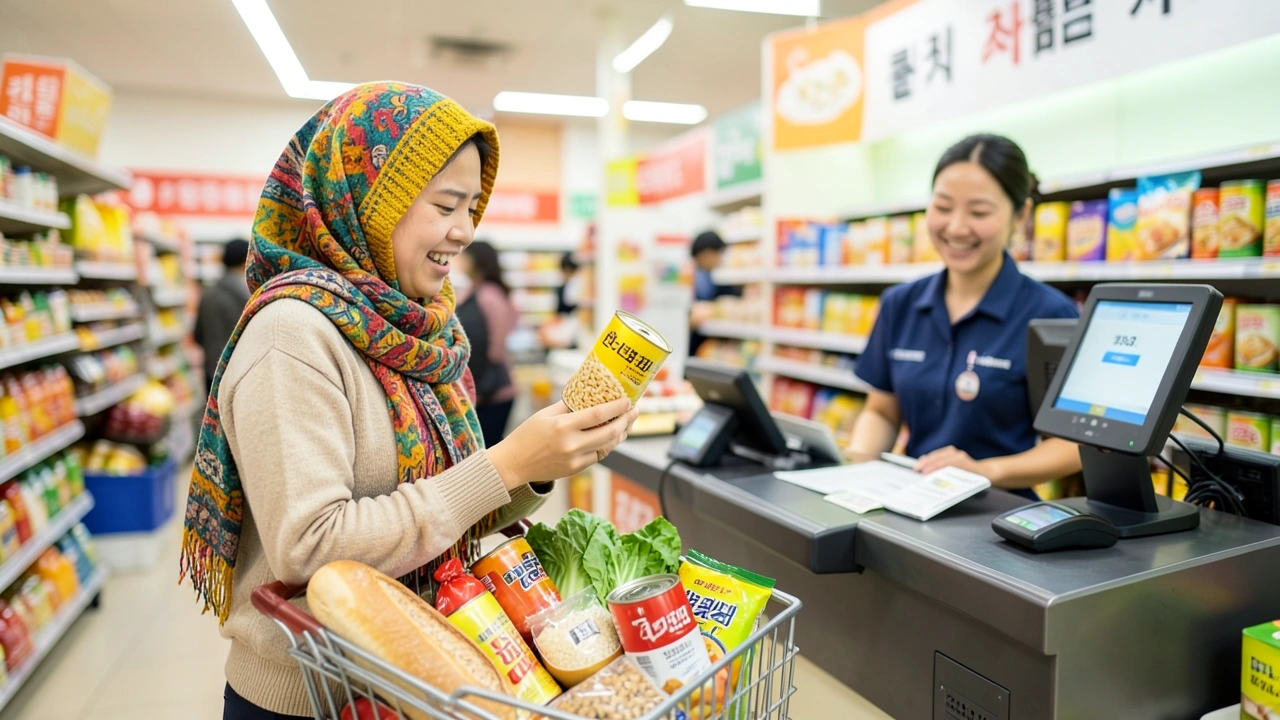
Shopping and Checkout Process
Once you have your list and know what you’re looking for, it’s time to head to the store and complete your shop. This section covers the steps of the actual shopping experience, from choosing your items to paying for them at the checkout. These are practical steps that will help you feel confident during your visit.
Gathering Your Items
When you enter the store, grab a shopping cart or a basket. The cart is good for larger shops, while a basket is better for just a few items. Move through the aisles according to your organized list.
Take your time to find the products you need. Don’t be afraid to ask store employees if you can’t locate something; they are there to help.
As you place items in your cart, try to keep heavier items at the bottom and more delicate items on top. This prevents crushing. If you’re buying items that need to stay cold, like frozen foods or dairy, it’s a good idea to pick those up towards the end of your shopping trip to minimize the time they spend at room temperature.
- Use a Shopping Cart or Basket: Choose based on the size of your shop.
- Follow Your List’s Organization: Move efficiently through store sections.
- Select Quality Products: Check for freshness and expiration dates.
- Place Items Carefully in Cart: Protect fragile items.
A shopping cart is essential for larger trips, allowing you to carry many items comfortably. For just a few things, a hand-held basket is more manageable. Using the right size helps you avoid over-buying or struggling to carry your purchases.
Most stores offer both options near the entrance.
If you organized your list by store section (e.g., produce, dairy, bakery), try to follow that order. This strategy minimizes unnecessary walking and helps you avoid seeing items you don’t need. It makes the whole shopping experience quicker and more focused.
When picking items, especially produce, meat, and dairy, take a moment to ensure they look good. Check for bruising on fruits, proper color on meats, and no damage to packaging. Always look at the expiration or “best by” dates to ensure you’re buying products that will last.
Put heavier, sturdier items at the bottom of your cart. Place lighter and more fragile items like eggs, bread, and soft fruits on top. This simple practice prevents items from being crushed and damaged during your shopping trip.
It ensures your groceries make it home in good condition.
At the Checkout
Once you’ve gathered all your items, head to the checkout area. You’ll see several lanes, some for express service (if you have a small number of items) and others for regular service. If you have a loyalty card for the store, have it ready.
This is where you’ll pay for your groceries.
The cashier will scan each item. As they do, you can place your items onto the conveyor belt. If you have reusable bags, you can place them at the end of the belt or near the cashier.
After all items are scanned, the total amount will appear on the screen. You can then pay using cash, debit card, credit card, or other payment methods accepted by the store.
- Choose the Right Lane: Express lanes are for a limited number of items.
- Place Items on the Conveyor Belt: Or have them ready for the cashier.
- Have Your Payment Ready: Cash, card, or mobile payment.
- Bagging Your Groceries: Use reusable bags or store bags.
Most stores have express lanes for customers with a small number of items, usually around 10-15. If you have a lot of groceries, use a regular lane. This helps the checkout process move faster for everyone.
As the cashier is ready, place your items in front of the scanner. Put similar items together. If you have fragile items, you might want to place them a bit later or inform the cashier.
This makes the scanning process smoother and quicker.
Be prepared to pay when the total is announced. Know which payment method you want to use. If using a store loyalty card or coupons, present them before the payment is processed.
Some stores also accept mobile payment apps.
Most people prefer to use reusable bags, which are better for the environment and often sturdier. You can place them on the conveyor belt or have them ready. If using store bags, the cashier will often pack them for you.
Be sure to let them know if you have any preferences, like keeping raw meat separate from other items.
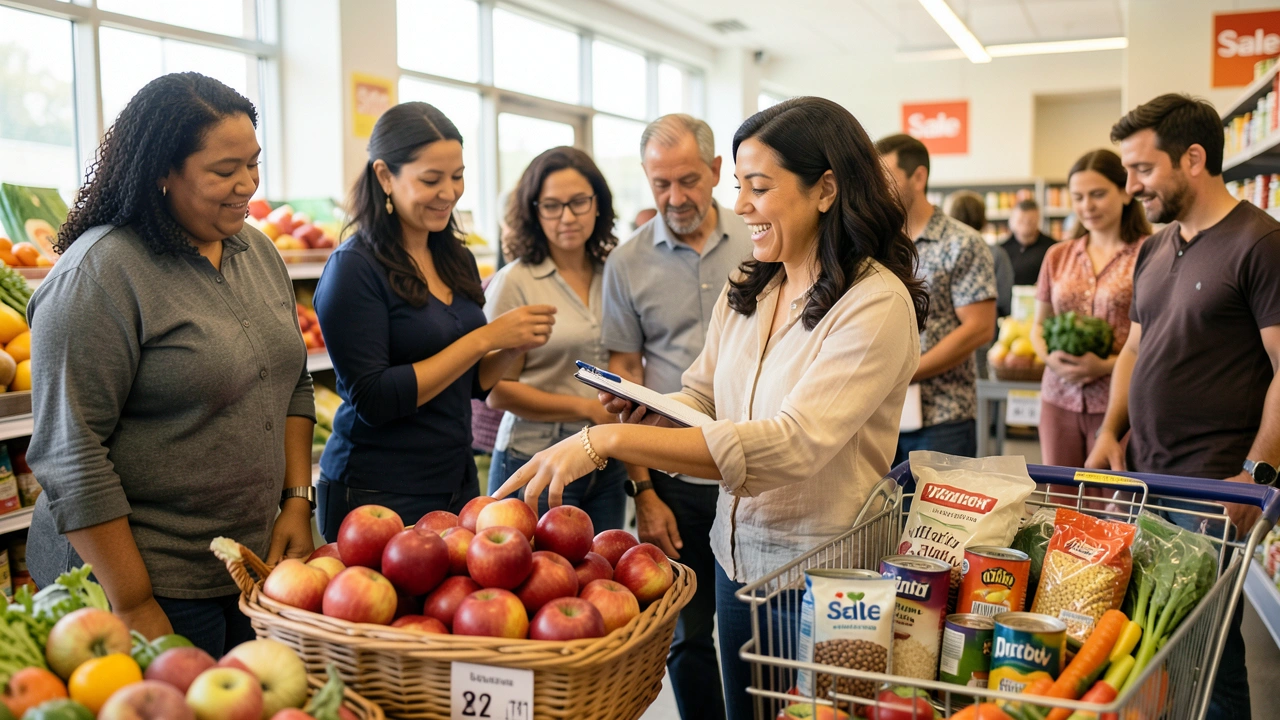
Tips for Saving Money on Groceries
Saving money on groceries is possible with smart planning and shopping habits. This section provides practical, actionable tips that can help reduce your grocery bill without sacrificing quality or nutrition. These strategies are designed to be easy to implement and can lead to significant savings over time.
Buy in Bulk When Sensible
Purchasing items you use frequently in larger quantities can often lead to savings. Items like rice, pasta, oats, and non-perishable canned goods are good candidates. However, it’s important to make sure you have the storage space and that you will actually use the product before it expires or goes bad.
Consider buying larger packages of items if the unit price is significantly lower. For example, a large bag of rice might be cheaper per pound than a small one. Just be sure you have a cool, dry place to store it.
For perishables, bulk buying is usually only a good idea if you can freeze or preserve them.
- Identify Frequently Used Items: Focus on staples you buy often.
- Check Unit Prices: Compare the cost per ounce, pound, or item.
- Ensure Proper Storage: Have a place to store bulk items.
- Avoid Overbuying Perishables: Only buy what you can use before they spoil.
Think about what you use the most. Is it rice, flour, sugar, or pasta? These are items that are good to buy in larger quantities because you know they won’t go to waste.
This reduces the number of shopping trips and can offer a lower price per unit.
Always look at the unit price displayed on the shelf tag. This tells you the cost of the item based on its weight or volume. A larger package might have a higher total price, but if its unit price is lower, it’s a better deal.
This is especially true for things like cereal, cleaning supplies, and toiletries.
Before buying in bulk, make sure you have adequate storage space. Dry goods like rice and flour need to be kept in airtight containers in a cool, dark pantry. Frozen items need sufficient freezer space.
If you can’t store them properly, bulk buying might lead to waste.
While it’s tempting to buy large quantities of fruits, vegetables, or meat when they are on sale, consider how quickly you’ll use them. If you can’t use them fresh, can they be frozen? Buying too much perishable food can lead to waste, negating any potential savings.
Cook More Meals at Home
Eating out or buying pre-made meals is often more expensive than preparing food at home. When you cook your own meals, you have control over the ingredients, portion sizes, and overall cost. It also allows you to experiment with new recipes and flavors.
Start by planning simple meals that don’t require too many ingredients. Many online resources and cookbooks offer quick and easy recipes for beginners. Even small changes, like packing a lunch instead of buying one, can add up to significant savings over time.
Leftovers can be repurposed into new meals, further reducing costs and waste.
- Plan Your Meals: This is the first step to saving money.
- Learn Simple Recipes: Start with easy dishes that don’t require complex skills.
- Cook in Batches: Prepare larger portions to save time and money.
- Repurpose Leftovers: Get creative with what’s left from previous meals.
As mentioned before, meal planning is key. When you know what you’re going to cook, you can create a precise shopping list, buy only what you need, and avoid last-minute trips to more expensive convenience stores or restaurants. This disciplined approach is fundamental to saving money.
You don’t need to be a gourmet chef to cook at home. Many recipes are designed for beginners and use basic ingredients. Think about simple dishes like pasta with sauce, roasted chicken and vegetables, or hearty soups.
The internet is full of free, easy-to-follow recipes with step-by-step instructions.
Making a large batch of a dish like chili, soup, or a casserole means you have meals ready for several days. This saves you cooking time on busy weeknights and reduces the temptation to order takeout. You can also freeze portions for future meals.
Don’t let leftovers go to waste. Cooked chicken can be used in salads or sandwiches. Leftover rice can become fried rice.
Roasted vegetables can be added to omelets or soups. Getting creative with leftovers is an excellent way to stretch your food budget and reduce waste.
Utilize Store Loyalty Programs and Apps
Many grocery stores offer loyalty programs that reward frequent shoppers. Signing up for these programs usually gives you access to exclusive discounts, special offers, and sometimes even points that can be redeemed for money off future purchases. These programs are typically free to join.
Store apps are also becoming increasingly popular. They often provide digital coupons, weekly ad flyers, and personalized offers. Some apps can even help you create and organize your shopping list.
Taking advantage of these tools can lead to noticeable savings on your grocery bill over time. Remember to check the app before you shop.
- Sign Up for Loyalty Cards: Get access to exclusive discounts.
- Download the Store’s App: Find digital coupons and weekly ads.
- Check for Special Offers: Look for “buy one, get one free” or percentage discounts.
- Use Coupons Effectively: Combine coupons with sales for maximum savings.
Most supermarkets have a loyalty program. You usually get a card or can use your phone number at checkout. Signing up is free and often unlocks lower prices on many items throughout the store.
It’s a simple way to save money every time you shop.
Many grocery stores have mobile apps. These apps are great for browsing the weekly sales flyer, finding digital coupons that you can “clip” to your loyalty card, and sometimes even tracking your spending. They are a modern way to stay informed about deals.
Loyalty programs and apps often highlight special promotions. These can include deals like “buy one, get one free” (BOGO) on certain items or percentage discounts on specific product categories. These offers are fantastic opportunities to stock up on items you use regularly.
When you find coupons, whether paper or digital, make sure to use them. The best savings often come when you combine a coupon with an item that is already on sale. Always check the expiration date on coupons and make sure you are buying the exact product specified.
Frequently Asked Questions
Question: How do I find products from my home country?
Answer: Look for ethnic or international food stores in your area. Many larger supermarkets also have an international aisle with a selection of imported goods. Don’t hesitate to ask store staff for help locating specific items.
Question: What if I don’t understand the language on the food labels?
Answer: You can use a translation app on your phone to help you understand the labels. Also, many products have pictures that can give you clues about what they are. Looking at the ingredients and nutrition facts can also help you make informed decisions.
Question: Is it better to buy fresh or frozen fruits and vegetables?
Answer: Both fresh and frozen fruits and vegetables are healthy. Frozen produce is often picked at its peak ripeness and then frozen, preserving its nutrients. It can also be more affordable and last longer, reducing waste.
Fresh produce can offer better flavor and texture when in season.
Question: How can I tell if produce is ripe?
Answer: For fruits, look for bright colors, a pleasant smell, and slight give when gently squeezed. For vegetables, check for firmness, crispness, and good color. Avoid anything with bruises, soft spots, or mold.
Question: What should I do if I have too many groceries to carry?
Answer: Many stores offer delivery services or have bags with sturdy handles. If you have a car, make sure to pack your groceries securely. For very large shops, consider asking a friend or family member for help, or using a taxi or ride-sharing service if you don’t have a car.
Wrap Up
Shopping for groceries in a new place can feel like a puzzle, but this guide has shown you the pieces. From understanding store types to reading labels and saving money, you now have a clear path. You’ve learned how to plan, shop smart, and make your grocery trips easy and enjoyable.