Getting a library card in the USA is usually a pretty straightforward process, but sometimes beginners wonder if it’s tricky. They might worry about needing special documents or if there are hidden fees. Don’t you worry!
We’ll walk you through it step-by-step, making it super simple. Next, we’ll show you exactly what you need to do to get your hands on that all-important library card.
Key Takeaways
- You can get a library card with simple proof of where you live.
- Most library cards are free for residents of the area.
- You’ll need to fill out a short application form.
- Your new card lets you borrow books, movies, and use library computers.
- Some libraries offer online sign-ups for their cards.
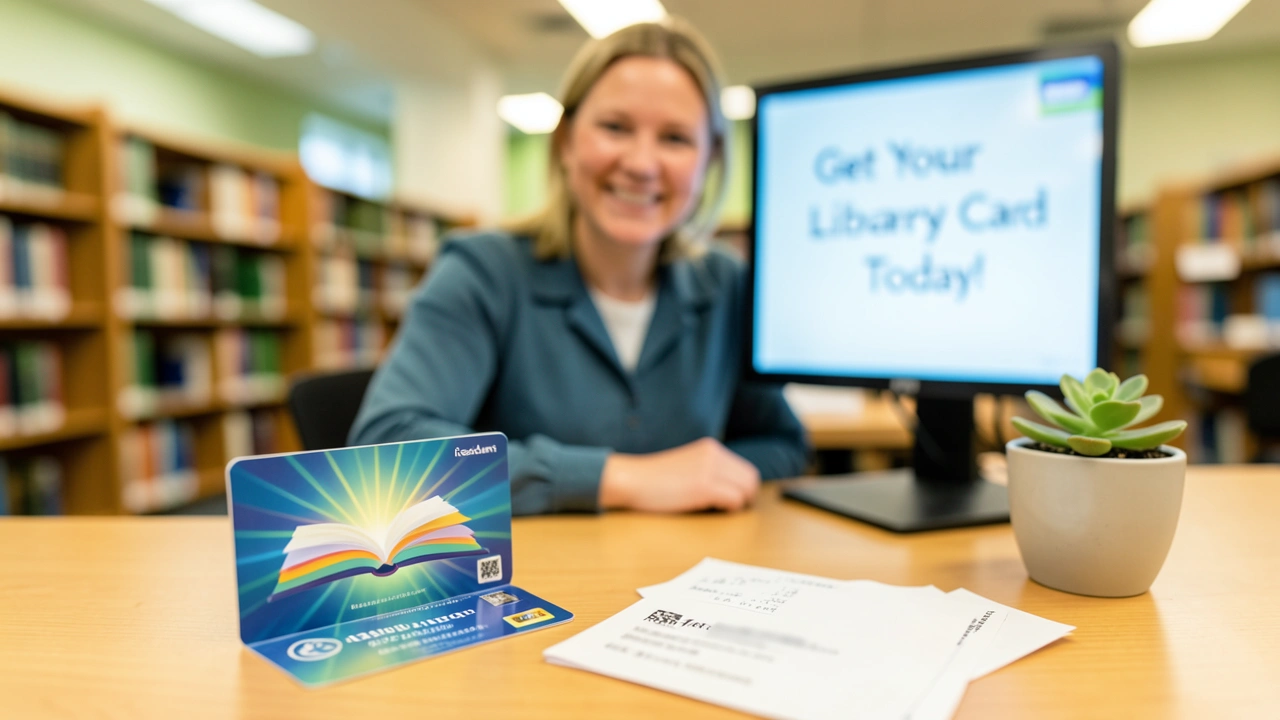
What You Need for How to Get a Library Card in the USA
When you want to know how to get a library card in the USA, the first thing to think about is what you’ll need to show. Libraries want to make sure you live in their service area so they can provide resources to the people who support them. This usually means proving your address.
It’s not about complicated paperwork; it’s about a simple way to confirm you’re part of the community.
Proof of Residency
The most common requirement is proof of where you live. This helps the library know that you are a resident of their service area. They want to make sure they are serving the people who help fund the library through local taxes.
- Utility Bill: A recent bill for electricity, gas, or water that shows your name and current address is perfect.
- Driver’s License or State ID: If your driver’s license or state-issued ID has your current address on it, this works great.
- Lease Agreement or Mortgage Statement: A copy of your rental agreement or a recent mortgage statement can also be used.
- Official Mail: Sometimes, a piece of mail from a government agency with your name and address will do.
These documents are generally easy to find and confirm your address without a lot of hassle. Libraries understand that people move, and they want to make it easy for everyone to get a card.
Identification
Besides proving where you live, you’ll also need some form of identification. This is usually a picture ID to make sure the person applying for the card is who they say they are. It’s a basic security step that helps keep the library’s resources safe.
- Government-Issued ID: This includes things like a driver’s license, state ID, or passport.
- Student ID: If you’re a student, a school ID might be accepted, especially if it has your photo.
- Other Photo IDs: Some libraries might accept other forms of photo ID, but it’s always best to check with your local branch.
The goal is simply to link the application to a real person. It’s a quick check to ensure everything is in order.

The Application Process: Step-by-Step
Figuring out how to get a library card in the USA is really just about filling out a simple form. Most libraries have made this process very user-friendly. They want you to start borrowing books and using their services as soon as possible.
Here’s what you can expect when you go to apply.
Filling Out the Application
When you visit the library or their website, you’ll be asked to fill out an application form. This form is usually short and asks for basic information. It helps the library manage their patron records and keep in touch with you about your account.
- Name: Your full legal name.
- Address: Your current home address.
- Phone Number: A working phone number.
- Email Address: An email address for notifications and updates.
- Date of Birth: This is often used to verify your identity and sometimes for age-specific programs.
Don’t worry if you’re not a tech expert; most forms are designed to be very easy to understand and fill out. If you get stuck, a librarian is always happy to help you.
Submitting Your Documents
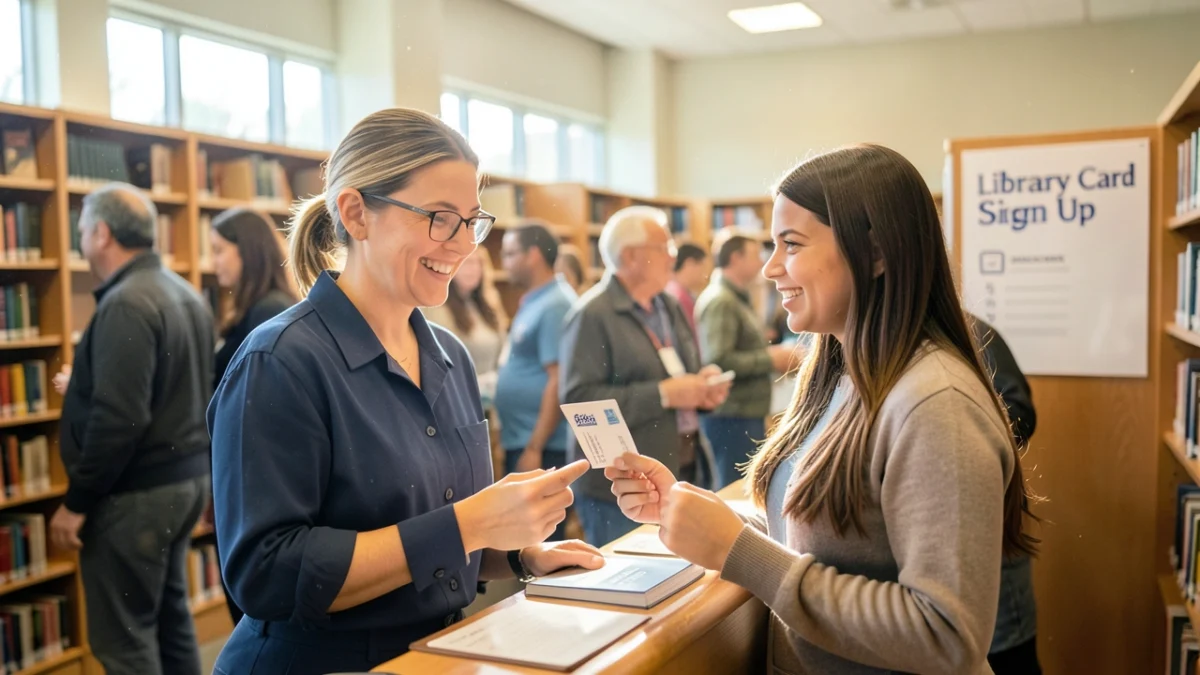
After you fill out the form, you’ll need to show your proof of residency and identification. You can usually do this in person at the library’s circulation desk. A staff member will look at your documents, verify your information, and process your application.
Sometimes, if you’re applying online, you might be asked to upload scanned copies of your documents. However, in-person applications are still very common and often the quickest way to get your card. It’s a direct way to connect with the library staff.
Receiving Your Card
Once your application is approved and your documents are verified, you’ll be issued your library card. In most cases, you receive your card right there on the spot! It’s a fantastic feeling to get your card and be ready to explore all the library has to offer.
Your card will have a unique number on it. This number is linked to your library account. It’s what you’ll use to check out books, access online resources, and even log in to public computers at the library.
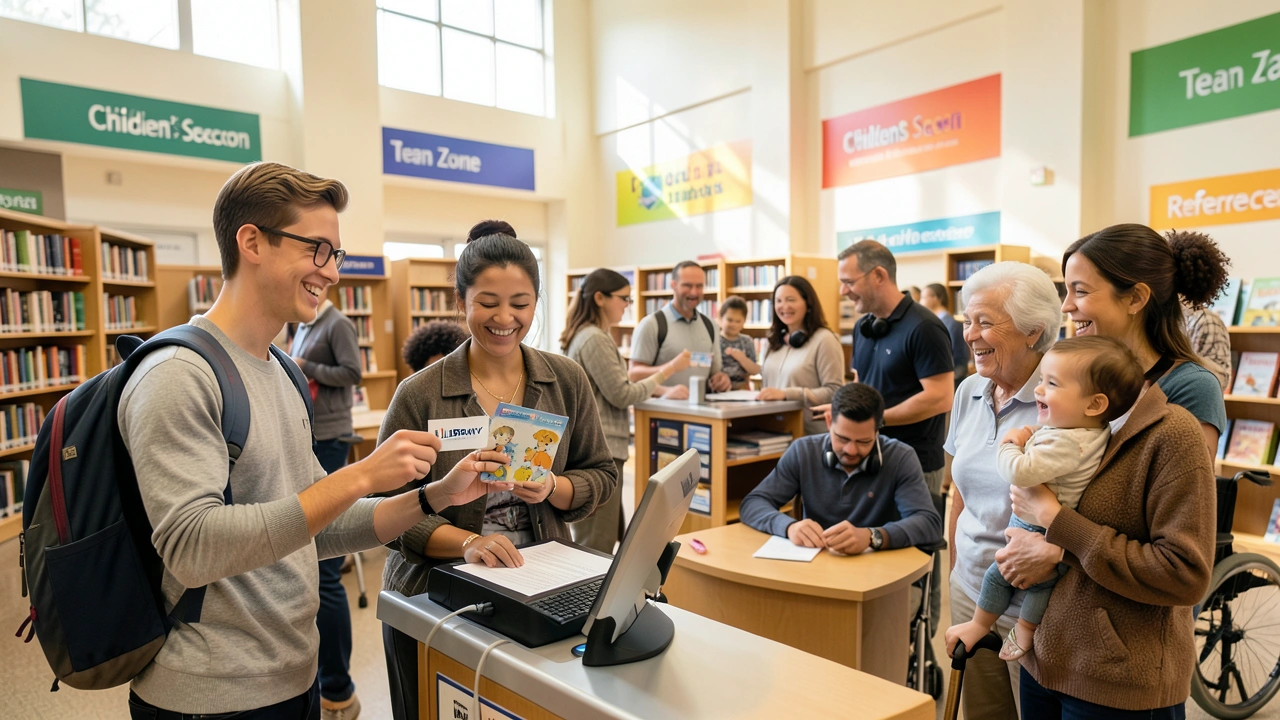
Special Considerations for Different Groups
The process for how to get a library card in the USA can have a few twists for certain people. Libraries aim to be inclusive, so they have options for everyone, including children, students, and those who might not have standard identification.
Children and Teens
Getting a library card for a child or teen is usually straightforward. They typically need a parent or guardian to sign the application. The adult will need to provide their own proof of residency and identification.
- Parental/Guardian Consent: A responsible adult must agree to be responsible for the items checked out on the child’s card.
- Child’s Information: The application will ask for the child’s name and date of birth.
- Address Link: The parent or guardian’s address serves as the proof of residency for the child’s card.
This ensures that the library has a point of contact and accountability for younger patrons. It’s a safe way to introduce kids to the joy of reading.
Students
Students, especially those from out of town, might have unique situations. If you’re attending college or university, your school ID and a dorm address might be enough in some cases. However, many libraries still require proof of residency within their specific service area, even for students.
- Out-of-State Students: You may need to show your university ID and a lease agreement for your campus housing.
- Local Students: High school students might be able to use their school ID along with a parent’s proof of address.
- Checking Policies: It’s always wise to check your specific university library and local public library policies, as they can vary greatly.
Some university libraries are open to the public, while others are only for students. Public libraries often have specific rules for non-residents, which might involve a fee.
Non-Residents and Fees
If you don’t live within the library’s service area, you might still be able to get a card, but there’s often a fee involved. This fee helps the library cover the costs of providing services to people who don’t contribute through local taxes. The amount can vary widely from one library system to another.
- Annual Fee: Many libraries charge an annual fee for non-resident cards. This fee can range from $25 to over $100 per year.
- Reciprocal Borrowing: Some library systems have agreements with neighboring counties or cities. This means you might be able to use your card from one library at another without an extra fee.
- Online Services: Even if you can’t get a physical card, some libraries offer limited access to their online resources for non-residents.
For example, the Los Angeles Public Library charges a non-resident fee of $50 per year. In contrast, some smaller rural libraries might waive fees if you work within their county. Always ask about their non-resident policy.

Benefits of Having a Library Card
Once you know how to get a library card in the USA, you’ll be amazed at all the benefits it brings. It’s so much more than just borrowing books. Your library card is a key to a world of learning, entertainment, and resources that can greatly enrich your life.
Access to Books and Media
The most obvious benefit is free access to an incredible collection of books. From bestsellers and classics to specialized non-fiction, the variety is vast. Libraries also lend out movies, music CDs, audiobooks, and magazines.
This means you can enjoy a wide range of entertainment and educational materials without spending a dime.
- Vast Collection: Libraries have millions of books covering every imaginable topic.
- Digital Borrowing: Many libraries offer e-books and audiobooks through apps like Libby or OverDrive, accessible from your phone or tablet.
- Movies and Music: Borrowing DVDs, Blu-rays, and music CDs is a great way to discover new films and artists.
Consider how much you might spend on buying books or renting movies. The savings add up quickly. For instance, a recent study by the American Library Association found that the average library user saves over $1,000 per year by using library services.
Online Resources and Technology
Your library card is also your ticket to a wealth of online resources. Libraries subscribe to databases that would cost individuals hundreds or even thousands of dollars per year. These databases offer access to academic journals, historical newspapers, genealogy records, language learning programs, and much more.
- Research Databases: Access scholarly articles, business information, and consumer health data.
- Online Learning: Utilize platforms like LinkedIn Learning (formerly Lynda.com) for skill development.
- Language Learning: Programs like Rosetta Stone are often available for free with your card.
Libraries also provide free Wi-Fi and public computers. This is invaluable for people who don’t have internet at home or need to use a computer for job applications, schoolwork, or staying connected with family.
Community Programs and Services
Libraries are vibrant community hubs offering a range of programs for all ages. These can include story times for children, book clubs for adults, workshops on resume writing, computer classes, author talks, and cultural events. These programs are usually free and provide opportunities for learning and social connection.
For example, many libraries offer workshops that help people improve their digital literacy. They teach essential skills like how to use email, navigate websites safely, and identify misinformation online. These services are crucial for bridging the digital divide and ensuring everyone can participate in our increasingly online world.
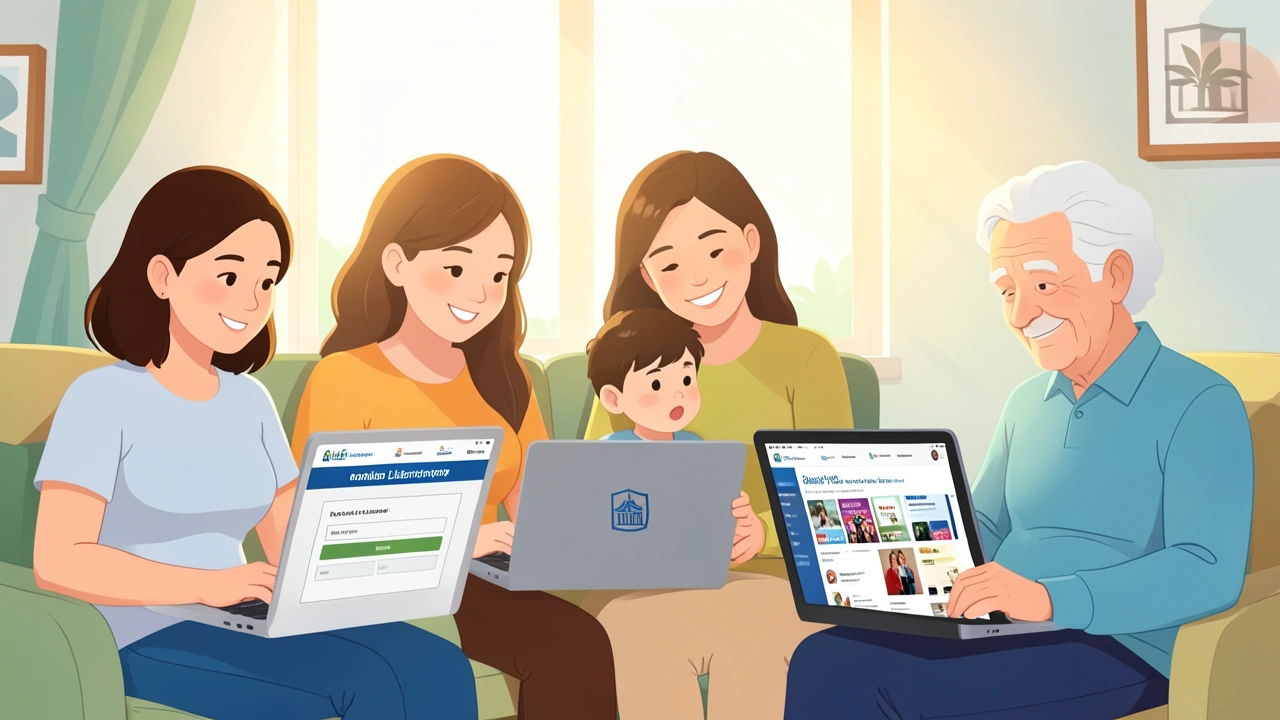
Can I Get a Library Card Online?
The question of how to get a library card in the USA sometimes includes whether it can be done entirely online. Many libraries have embraced technology to make sign-ups easier. Some offer full online registration, while others allow you to start the process online and finish in person.
Online Registration Options
A growing number of library systems allow you to apply for a library card directly through their website. This is incredibly convenient, especially if visiting the library in person is difficult. You typically fill out an online form and may need to upload scanned copies of your identification and proof of residency.
- Digital Application: Many libraries now have a dedicated section on their website for new card applications.
- Virtual Verification: You might be asked to verify your identity through a digital process or by uploading documents.
- Temporary Digital Card: Some libraries issue a temporary digital-only card that allows immediate access to online resources. You can then visit in person to get a permanent card.
The New York Public Library, for instance, allows you to get a digital-only library card online. This card gives you immediate access to their e-books, audiobooks, and online databases. You can then upgrade to a physical card by visiting any branch with proper ID.
What to Expect with Online Sign-Ups
If you opt for online sign-up, the process is designed to be as smooth as possible. You’ll enter your personal details and upload any required documents. The library staff will then review your application.
If everything is in order, they will mail your physical library card to your home address, or you might receive an email with your card number and login details.
This online option is a real benefit for people with busy schedules or those who live far from a physical library branch. It removes a potential barrier to accessing valuable library resources. It is an important step for libraries wanting to reach more people.
Frequently Asked Questions
Question: Do I need to pay for a library card?
Answer: For most residents, library cards are absolutely free. Libraries are funded by local taxes, so they offer their services to people who live in their service area without charge.
Question: Can I get a library card if I don’t have a permanent address?
Answer: Some libraries have programs for individuals experiencing homelessness or who are in temporary housing. It’s best to speak with a librarian at your local branch about options, such as using a shelter address or a P.O. Box if allowed.
Question: How long does it take to get a library card?
Answer: If you apply in person, you usually get your card right away, often within minutes. Online applications might take a few days for processing and mailing.
Question: What if I lose my library card?
Answer: If you lose your card, report it to the library immediately. They can cancel the old card to prevent misuse and issue you a replacement, which may have a small fee.
Question: Can I use my library card at any library?
Answer: Generally, you can only use your library card at the library system that issued it. However, some regions have reciprocal borrowing agreements that allow you to use your card at other nearby libraries.
Final Thoughts
Learning how to get a library card in the USA is a simple process for almost everyone. With basic identification and proof of where you live, you can unlock a world of free books, movies, and online resources. Don’t hesitate to visit your local library or their website today to sign up!