Moving to a new country can bring up many questions, and figuring out how to handle everyday tasks is part of that. One common thing people wonder about is How to Register Your Address After Moving to the USA. It might seem a bit tricky at first, especially when you’re getting settled.
But don’t worry, it’s actually quite straightforward. We’ll walk you through it step-by-step to make things easy. Let’s get your new home sorted out!
Key Takeaways
- You will learn about the different reasons why registering your address is important in the USA.
- We will explain the main documents you will likely need to prove your address.
- You will find out where you can go to get your address officially noted.
- We will cover what to do if you encounter common problems when registering.
- You will get tips on how to keep your address information up-to-date.
Why Registering Your Address Matters in the USA
Registering your address is a big step when you arrive in the United States. It’s not just a formality; it’s how you connect with your new community and access important services. Think of it as your official “hello” to the local government and other organizations.
This process lets them know where you live so they can send you important mail and help you get things done. Without a registered address, simple tasks like getting a driver’s license or opening a bank account can become much harder. It’s the foundation for many other things you’ll need to do as a resident.
Proof of Residency
One of the biggest reasons to register your address is to have proof that you live in a certain place. This is called proof of residency. Many places will ask for this proof for all sorts of things.
It’s like showing an ID, but it shows where you sleep and receive mail.
- Official Mail: Government agencies, banks, and even utility companies will send important documents to your registered address. This includes bills, notices, and other legal papers.
- Access to Services: Many public services, like libraries, schools, and local community programs, require proof of address to allow you to use them.
- Legal Requirements: Certain legal processes, like voting or applying for specific licenses, absolutely need a valid proof of residency.
Connecting with Your Community
Registering your address also helps you feel more connected to your new home. When your address is official, you become a recognized part of the local area. This can open doors to local events and support systems.
It’s the first step to feeling like you truly belong.
What You Need to Register Your Address
Gathering the right papers is key to making the address registration process smooth. Most places in the USA will ask for specific documents to confirm your identity and where you live. Having these ready before you go will save you time and trips.
The most common items needed are documents that show your name and your new living location.
Identification Documents
You’ll need to show who you are. This is usually done with a government-issued ID.
- Passport: Your passport from your home country is a primary form of identification. It proves your identity and nationality.
- Driver’s License: If you have obtained a U.S. driver’s license, this is also a strong form of identification. It shows you have passed driving tests and met certain state requirements.
- State ID Card: Many states offer identification cards for people who do not drive. This card serves the same identification purpose as a driver’s license.
Proof of Address Documents
Next, you need to show where you live. This is where documents with your name and your new address come in.
- Lease Agreement or Mortgage Statement: If you rent an apartment or own a home, your signed lease or mortgage statement is excellent proof of your address. It shows you have a legal right to live at that location.
- Utility Bills: Recent bills from services like electricity, gas, water, or internet are very commonly accepted. Make sure your name and address are clearly printed on them. These bills show consistent residency over time.
- Bank Statements: Statements from your bank, showing your name and current address, can also be used. These are official documents from a financial institution.
- Official Mail from Government Agencies: Any mail you receive from federal, state, or local government bodies that has your name and address on it is usually accepted. This could include tax notices or benefit statements.
It’s a good idea to have at least two different types of proof of address. Some places might require more, so it’s always best to check the specific requirements of the place you are dealing with.
Where to Register Your Address
The process of registering your address can happen in a few different places, depending on what you need it for. The most common places you’ll deal with involve government services and utilities. Each place has its own way of handling your address information.
Local Government Offices
For official civic matters, you might need to interact with local government offices.
- Department of Motor Vehicles (DMV): If you need a driver’s license or state ID, the DMV is where you will register your address. They will verify your documents and update your record with your new location. This is often the first place new residents go.
- Voter Registration Office: To vote in elections, you need to register your address with the local election board or office. This ensures you are assigned to the correct polling place.
Utility Companies
When you move into a new home, you need to set up utilities. This is a direct way of registering your address for services.
- Electricity and Gas Providers: You’ll need to contact the local electric and gas companies to start service at your new address. They will require your name, the service address, and often some form of identification and a security deposit.
- Water and Sewage: Similar to electricity and gas, water and sewage services need to be set up. These are usually managed by local municipal departments or private companies.
- Internet and Cable Providers: To get online and have TV service, you’ll sign up with an internet and cable company. They will need your address to schedule installation.
Many utility companies allow you to start service online or over the phone, making it convenient.
Banks and Financial Institutions
Once you have a place to live, you’ll want to set up your finances.
- Opening a Bank Account: Banks will require proof of your U.S. address to open an account. This is a standard security measure to prevent fraud and comply with regulations.
- Updating Existing Accounts: If you already have accounts, remember to update your address with them. This ensures you receive statements and important communication.
How to Handle Common Challenges
Even with the best preparation, sometimes things don’t go exactly as planned. Knowing how to handle common issues can save you a lot of frustration. The key is to stay calm and find solutions.
Missing Documents
If you realize you’re missing a required document, don’t panic.
- Request Copies: For items like utility bills or bank statements, contact the company and ask for copies of recent statements. Many offer online access to past bills.
- Contact Your Embassy: If you need official identification from your home country and don’t have it, your country’s embassy or consulate in the U.S. might be able to help you obtain necessary documents.
- Seek Alternative Proof: If you are in a temporary housing situation or have unique circumstances, speak directly with the office you are dealing with. Explain your situation and ask if alternative forms of proof are acceptable, such as a letter from a landlord or shelter.
Temporary Addresses
Dealing with a temporary address, like a hotel or a friend’s house, can be tricky.
- Official Mail Forwarding: Use the U.S. Postal Service’s mail forwarding service. This can send your mail from your old address to your temporary one, but it’s not a permanent solution for proving residency.
- Letter from Host: If staying with friends or family, ask them to write a letter stating that you reside with them and provide a copy of their ID and a utility bill. This might be accepted by some institutions.
- Focus on Permanent Solutions: While temporary solutions help, prioritize finding a permanent address as soon as possible to avoid ongoing complications.
Understanding Different Requirements
Each state and even each city can have slightly different rules.
- Check Websites: Before visiting any government office, check their official website. Most have detailed lists of required documents for address registration and related services.
- Call Ahead: If you’re unsure about specific requirements, call the office directly. Speaking to a representative can clarify any doubts and prevent wasted trips.
- Ask for Guidance: When you are at an office, don’t hesitate to ask the staff for guidance. They are there to help you complete the process correctly.
For example, let’s say you need to get a California driver’s license. The California DMV website clearly lists accepted documents. You might need your passport, a Social Security card, and two proofs of residency like a utility bill and a lease agreement.
If you only have one proof of residency, they might suggest other options or explain what to do next.
Keeping Your Address Information Current
Once your address is registered, it’s important to keep it up-to-date. This ensures you don’t miss any important communications and avoid legal issues.
Updating with Key Institutions
Think about all the places you’ve shared your address with.
- Government Agencies: This includes the Social Security Administration, the IRS (for tax purposes), and the Department of Homeland Security if you are on a visa. Keeping your address current with them is vital.
- Financial Institutions: Update your bank, credit card companies, and any investment firms. This is crucial for receiving statements, fraud alerts, and important notices.
- Healthcare Providers: Inform your doctors, dentists, and insurance providers of your new address. This ensures you receive appointment reminders and medical records.
- Employers: Make sure your employer has your current address for payroll, tax forms, and other employment-related mail.
Using Mail Forwarding Effectively
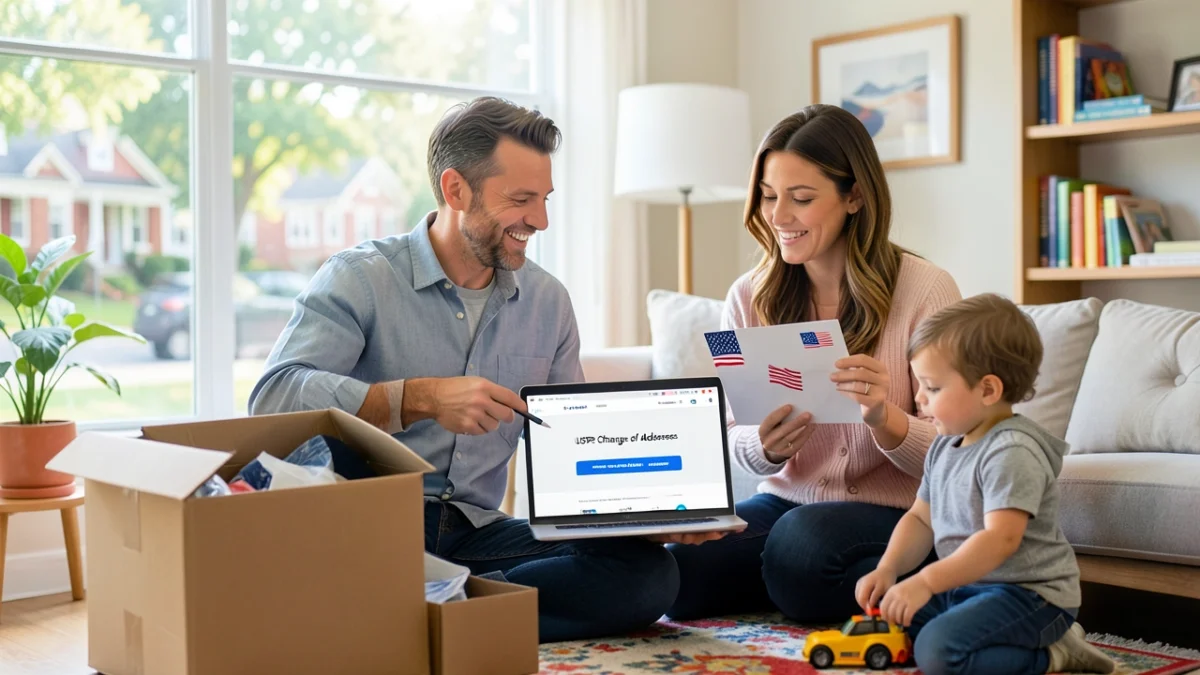
The U.S. Postal Service (USPS) offers a mail forwarding service.
- How it Works: You can officially change your mailing address with the USPS. They will then forward mail addressed to your old address to your new one for a set period, typically 6 to 12 months.
- Online vs. In-Person: You can initiate this process online through the USPS website or by visiting a local post office. There might be a small fee for the online service.
- Limitations: Remember that not all mail is forwarded, and it doesn’t solve the underlying need to update your address directly with senders. It’s a temporary bridge.
A common scenario is moving from a rental apartment to a purchased home. After closing on the house, you should immediately file a change of address with USPS. Then, systematically go through your list of important contacts and update them directly.
For instance, if your auto insurance is with State Farm, you’d call their local agent or log into your online account to change your address. This prevents any lapse in coverage.
What Happens If You Don’t Update?
Failing to update your address can lead to missed important information, potential fines, or even legal problems.
- Missed Legal Notices: Official documents, court summons, or tax notices sent to your old address might be missed, leading to serious consequences. For example, a missed jury duty summons can result in a fine.
- Financial Penalties: Some government agencies may impose fines for failure to provide an updated address, especially if it relates to taxes or permits.
- Identity Theft Risks: If mail containing sensitive information is not properly rerouted or updated, it could be intercepted, increasing the risk of identity theft.
Statistics show that in the U.S., around 1.5 million people experience identity theft each year. Keeping your address updated is a simple yet powerful way to protect yourself.
Frequently Asked Questions
Question: What is the quickest way to register my address?
Answer: The quickest way usually involves setting up utilities at your new home and using those bills as proof of address. Applying for a driver’s license or state ID at the DMV also officially registers your address with the state.
Question: Can I use a PO Box as my official address?
Answer: Generally, a PO Box is not accepted as proof of your residential address for most official purposes like getting a driver’s license or voter registration. You typically need a physical street address.
Question: How long does it take to get mail forwarded?
Answer: Mail forwarding usually starts within a few business days of submitting your request to the USPS, and it lasts for a set period, often 6 to 12 months, depending on the type of mail.
Question: Do I need to register my address if I’m only visiting the USA?
Answer: If you are a visitor on a tourist visa or short-term stay, you do not need to register your address in the same way residents do. Your temporary lodging is sufficient for your visit.
Question: What if my name is slightly different on my ID and my utility bill?
Answer: Minor differences might be acceptable, but it’s best to have them match as closely as possible. If there’s a significant difference, you might need to provide additional documentation to explain the discrepancy, like a marriage certificate or legal name change document.

Final Thoughts
Registering your address after moving to the USA is a vital step. You’ve learned it’s key for accessing services and connecting with your new community. By gathering your identification and proof of address documents, and knowing where to go, you can handle this task smoothly.
Keep your information updated, and you’ll be all set.