
Getting around new places can feel tricky, especially when you’re not sure about the local ways to travel. For folks new to using public transit in the United States, figuring out How to Get Public Transportation Cards in US Cities can seem like a puzzle. You might wonder where to buy them, how to load money, and what types are best.
Don’t worry, it’s simpler than it looks! This guide will walk you through everything, step by step, so you can easily get the cards you need and start exploring. We’ll cover what you need to know before you even step out the door.
Key Takeaways
- You’ll learn about the different kinds of transit cards available.
- We’ll show you the common places to buy these cards.
- You’ll find out how to add money to your transit card.
- Tips for managing your card and making it last longer are included.
- We’ll discuss how card systems vary from city to city.
Understanding Public Transit Cards
Public transportation cards are like magic keys for hopping on buses, trains, and subways in many American cities. They replace the need to carry cash or buy single tickets every time. These cards store value, allowing you to tap and go, making your travel quick and smooth.
For beginners, the idea of a special card for transit might be new, causing a little confusion about where to start. This section breaks down what these cards are and why they’re so handy for city explorers.
What is a Transit Card?
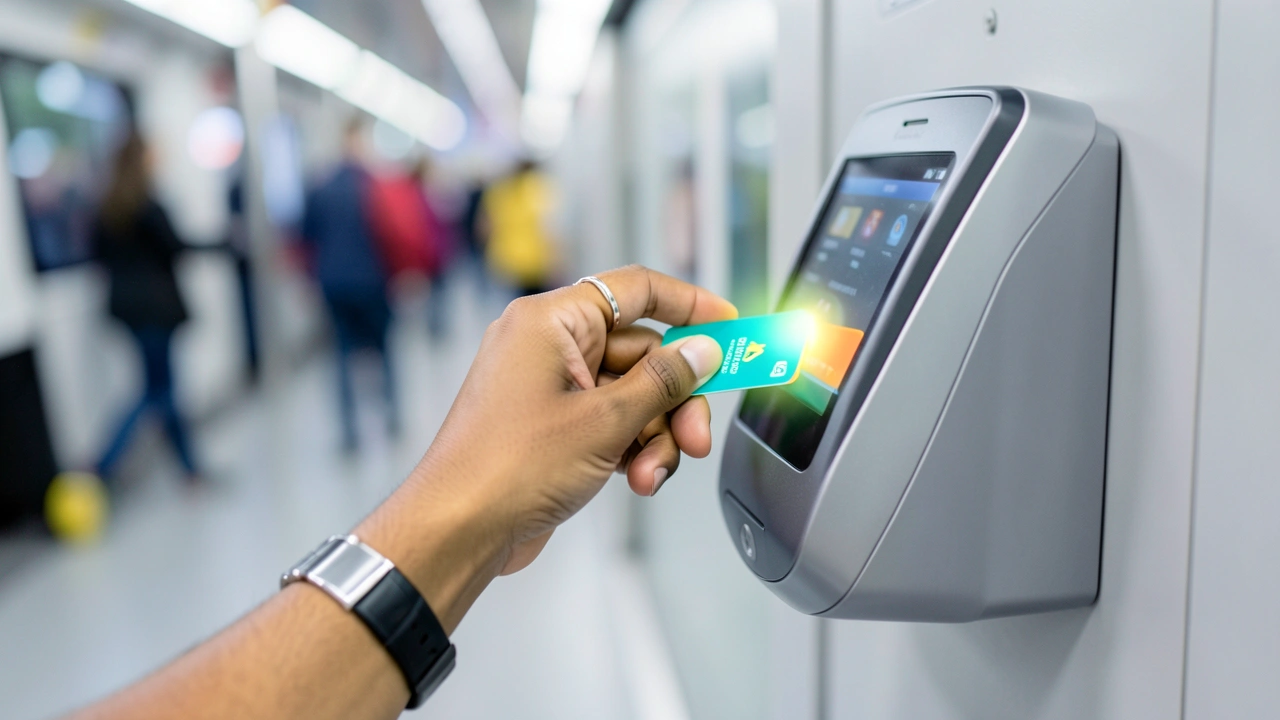
A transit card is a smart card that you use to pay for rides on public transportation. It’s usually a small, plastic card, much like a credit card, but it’s linked to your fare account. When you get to a fare gate or the driver on a bus, you simply tap the card.
The system then deducts the cost of your ride from the balance stored on the card. This system is designed to speed up boarding and reduce errors compared to handling cash.
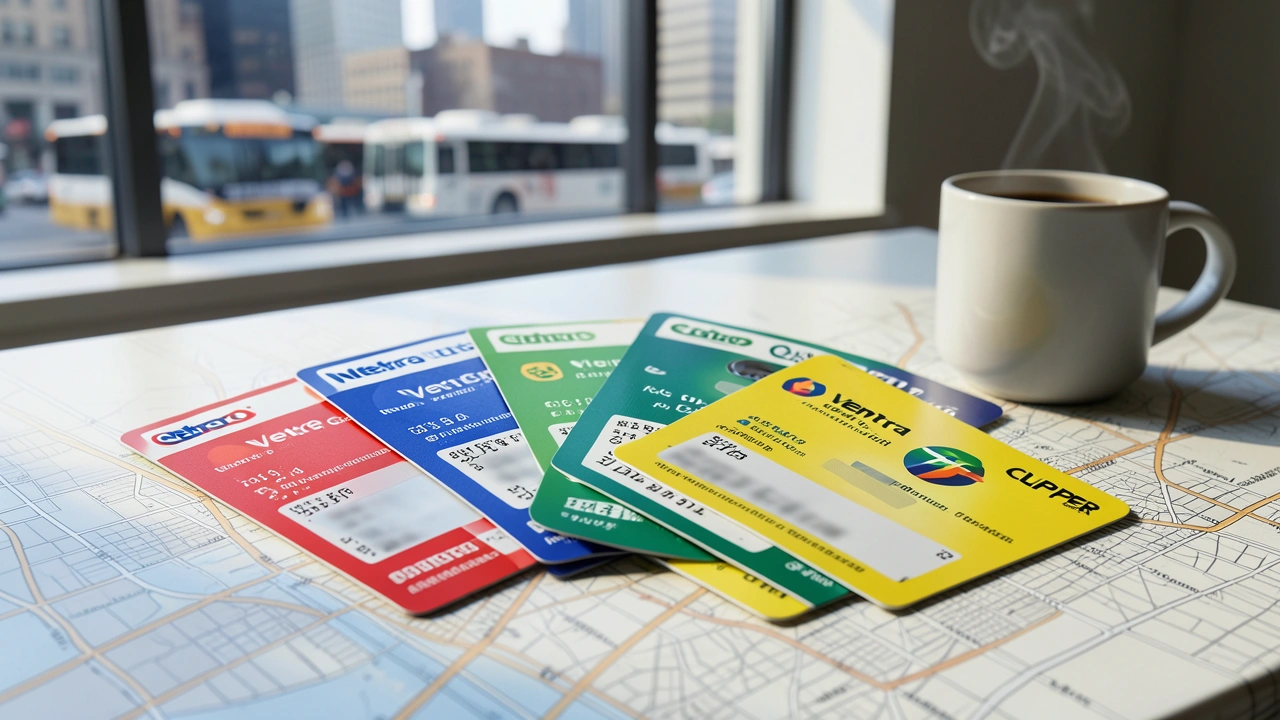
Many cities have their own versions of these cards, sometimes with unique names. For example, New York City has the MetroCard, Chicago has the Ventra card, and the San Francisco Bay Area uses Clipper. Even though the names differ, the basic function remains the same: a convenient way to pay for your travel.
Learning about the specific card for the city you are visiting is the first step to using public transit with ease.
Why Use a Transit Card?
Using a transit card offers many benefits that make traveling easier. First, it saves you time. Instead of fumbling for change or waiting in line to buy a ticket, you just tap your card and go.
This is especially helpful during busy rush hours. Second, cards often provide cheaper fares than single ride tickets. Many transit systems offer discounted rates for card users, which adds up to savings over a trip.
Third, they are more convenient. You don’t need to worry about having the exact change for a bus fare. You can load money onto the card when you need it.
Finally, some cards can be used across different modes of transport within the same city or region. This means one card can work for buses, subways, streetcars, and even ferries, simplifying your travel plans significantly.
Types of Transit Cards
There are a few main types of transit cards you might encounter. The most common is the stored-value card, where you load money onto it, and rides are deducted from that balance. This is flexible because you can add as much or as little as you think you’ll need.
Another type is a pass card, which gives you unlimited rides for a set period, like a day, a week, or a month. These are great if you plan to use public transit a lot.
Some systems also offer reloadable smart cards that can be managed online. You can often register these cards to protect your balance if the card is lost or stolen. In some cities, you might even find that your smartphone can act as a transit card through mobile payment apps.
This is becoming more common as technology advances, offering even more ways to pay for your ride without a physical card.
How to Get Public Transportation Cards in US Cities
Now that you know what transit cards are, let’s talk about how to actually get one. The process can vary a bit from city to city, but there are common steps you’ll find everywhere. We’ll cover the usual places to pick up a card and what information you might need.
Getting your card is a straightforward process that opens up your access to local transit.
Purchasing Your Card
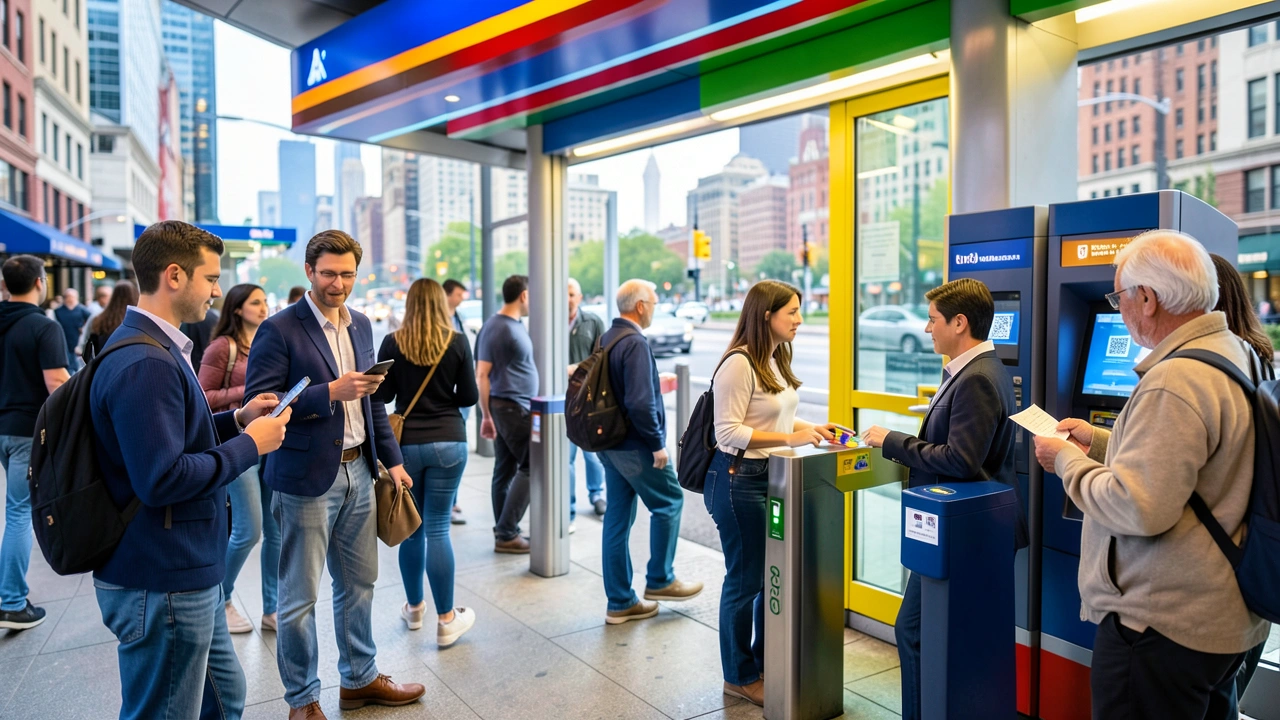
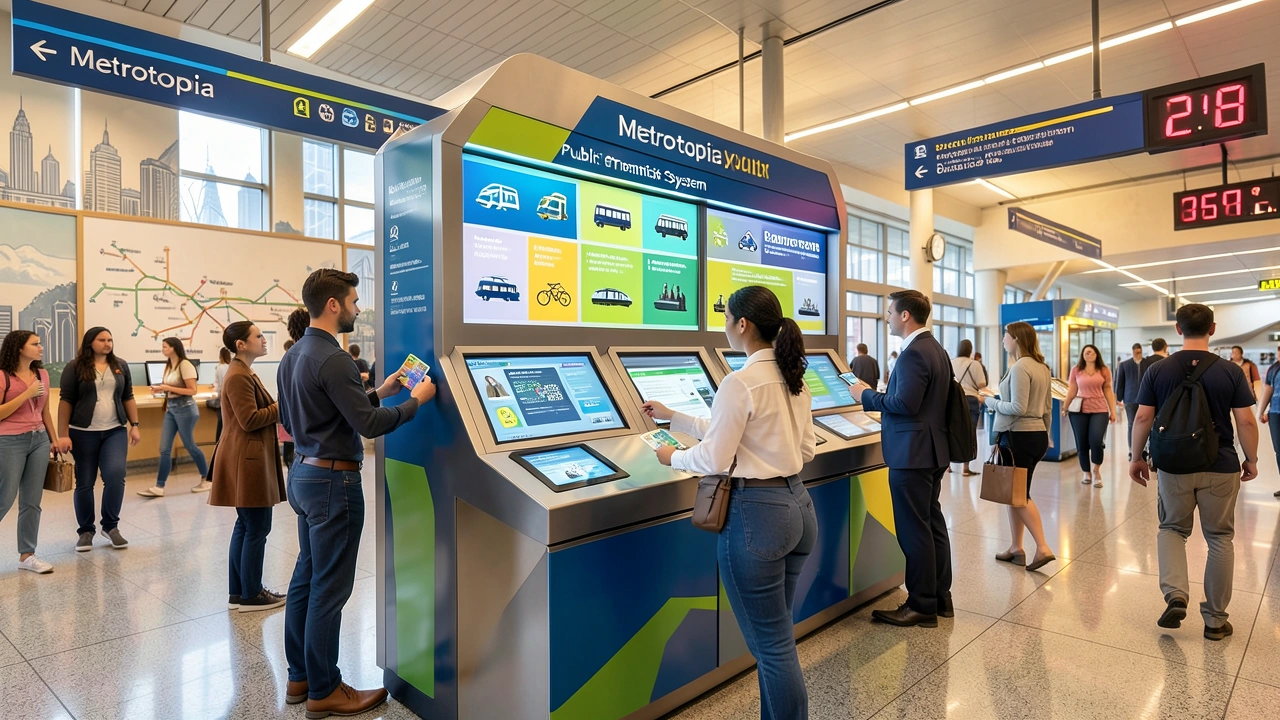
The most common way to get a transit card is by purchasing it at a station or a designated retail location. Many major transit hubs have ticket vending machines where you can buy cards. These machines are usually found inside train stations or bus terminals.
They often accept cash and credit/debit cards, making them quite convenient.
You can also buy cards at customer service centers operated by the transit agency. These centers are great places to ask questions if you’re unsure about anything. Some cities also partner with local stores, like convenience stores or pharmacies, to sell transit cards.
Look for signs that indicate they are an authorized vendor. This makes it easy to grab a card while you’re out running other errands.
Online and Mobile Options
Many transit systems now offer the option to buy cards online. You can often order a card to be mailed to your home before your trip, or to a hotel if you’re already in town. This saves you time upon arrival.
The transit agency’s official website will have all the details on how to do this. Be sure to order well in advance if you choose this method, as shipping can take a few days.
Mobile ticketing is also becoming very popular. Some cities allow you to buy fares or even a virtual transit card directly through their official app or a third-party transit app. You might then scan a QR code or use your phone’s near-field communication (NFC) chip to pay.
This is a great option if you prefer not to carry physical cards or if you’re looking for the most modern way to travel.
What You Might Need
Generally, getting a transit card is pretty simple, and you don’t need much. For purchasing a physical card at a vending machine or store, you’ll usually just need cash or a credit/debit card for the initial purchase cost and any fare you want to load. Some machines might have a small fee for the card itself, which is separate from the stored value.
If you’re buying online or through an app, you’ll need a valid email address and a payment method like a credit or debit card. Some online purchases might require you to create an account. For certain special discounted cards, like student or senior passes, you might need to show identification or proof of eligibility.
However, for a standard visitor card, this is rarely the case.
Sample Scenario: Getting a Card in Chicago
Imagine you’ve just arrived in Chicago and want to use the “L” train. Here’s how you might get a Ventra card:
- Locate a Ventra vending machine. These are found in “L” train stations.
- On the machine’s touchscreen, select the option to purchase a new card.
- You’ll likely see an option for a disposable card or a reloadable card.
For a short visit, a disposable card is often easiest.
- You’ll choose how much money to load onto the card initially. Let’s say you add $20.
- Pay with cash or a credit/debit card.
- The machine dispenses your Ventra card. You’re now ready to tap and ride!
Using Your Transit Card Effectively
Once you have your public transportation card, knowing how to use it wisely ensures you get the most out of your travel. This includes knowing how to add more money, checking your balance, and keeping your card safe. Proper usage helps avoid unexpected issues and keeps your trips smooth.
Loading Funds onto Your Card
Adding money to your transit card is usually done in a few ways. The most common is using the same ticket vending machines where you bought the card. Simply insert your card, choose the option to add value, and then select the amount you want to load.
You can pay with cash or card.
Many transit systems also allow you to add value online through their website or a mobile app. This is a convenient option if you don’t want to find a machine. You can often set up auto-reloads, where your card is automatically topped up when the balance gets low.
Some retail locations that sell cards might also offer reloading services. Always check your transit agency’s website for the most up-to-date options.
Checking Your Balance
It’s a good idea to know how much money is left on your card. This helps you avoid running out of funds at an inconvenient time. Many vending machines will display your balance after a transaction or if you select a “check balance” option.
You can often check your balance online by logging into your account on the transit agency’s website, especially if you registered your card.
Some apps also allow you to check your card balance directly from your smartphone. If your card has an NFC chip, you might even be able to tap it to your phone (if the app supports it) to see the balance. It’s a quick check that can save you hassle later.
Card Management and Security
Protecting your transit card is important, especially if it holds a significant amount of money. If your card is registered, you can often report it lost or stolen online or by phone. The transit agency can then deactivate the lost card and transfer any remaining balance to a new one.
This is a major benefit of registration.
Keep your card in a safe place, separate from your wallet if possible, to reduce the risk of losing it. Avoid bending or damaging the card, as this can make it unreadable by the fare readers. For mobile ticketing, ensure your phone is charged, as you’ll need it to pay for your rides.
Understanding Fare Structures
Different cities have different ways of charging fares. Some use a flat fare, meaning every ride costs the same amount, regardless of distance. Others use a zone-based fare system, where the cost depends on how far you travel.
Some systems also have peak and off-peak pricing, meaning fares might be higher during busy hours.
Understanding these fare structures helps you manage your card balance better. If you’re taking short trips, a stored-value card might be best. If you plan to travel extensively, a day pass or weekly pass might offer better value.
Always check the local transit agency’s website for details on their fare system.
Comparison of Card Systems (Example Cities)
To show how these systems can vary, let’s look at a couple of examples:
| City | Transit Agency | Card Name | How to Get | Reload Options |
|---|---|---|---|---|
| New York City | MTA | MetroCard | Vending machines, station booths, retail locations | Vending machines, online, phone |
| Chicago | CTA | Ventra Card | Vending machines, online, retail locations | Vending machines, online, app, phone, retail locations |
| Washington D.C. | WMATA | SmarTrip Card | Vending machines, online, retail locations | Vending machines, online, app, phone, retail locations |
As you can see, while the names and specific providers differ, the core methods for acquiring and reloading cards are quite similar across major US cities. This consistency makes learning the process for one city helpful for understanding another. The availability of online and app-based options reflects a growing trend in transit accessibility.
Case Study: A Tourist’s Experience in Boston
A visitor named Sarah was planning a trip to Boston and wanted to easily get around using the MBTA (Massachusetts Bay Transportation Authority). She found that the CharlieCard was the primary fare medium. Before her trip, she visited the MBTA website and saw that she could order a CharlieCard to be mailed to her home.
She did this a week before her departure, and it arrived promptly.
Upon arriving in Boston, she already had her CharlieCard. She went to a vending machine at the airport subway station and loaded $30 onto her card. She then used it for subway rides and buses throughout her stay.
When her balance got low, she found a convenience store near her hotel that sold and reloaded CharlieCards, making it easy to keep traveling without interruption. This experience highlighted the convenience of having the card ready and the multiple ways to keep it funded.
Navigating Different City Systems
While the basic idea of a transit card is the same, each city has its own specific system. Understanding these differences is key to a smooth experience. This section provides some tips for adapting to new transit card systems.
Research Before You Go
The best way to prepare is to do a little research before you arrive in a new city. Visit the official website of the city’s transit authority. Look for information on fare payment options, where to buy cards, and if there are any special passes for visitors.
Most transit websites have an English section and are easy to navigate.
You can usually find information on fare types, such as single rides, daily passes, or weekly passes, and which might be best for your planned travel. Knowing this in advance can save you time and money when you get there. For instance, if you plan to visit many attractions over a few days, a multi-day pass might be more economical than paying for each ride individually.
Mobile Apps and Digital Wallets
As mentioned, many cities now support payment through mobile apps or digital wallets like Apple Pay or Google Pay. If your phone supports NFC, you might be able to add a virtual transit card or even pay directly with your phone. Check if the city’s transit authority has its own app, or if it integrates with popular transit apps like Transit or Moovit.
These apps can be incredibly useful. They often provide real-time bus and train schedules, trip planning tools, and, of course, fare payment options. Having all this information in one place on your phone can make navigating a new city’s transit system much less stressful.
It also means you have fewer physical items to keep track of.
Visitor Passes and Tourist Options
Some cities offer specific passes designed for tourists. These might include unlimited rides for a set number of days and sometimes even include entry to local attractions. These can be a great value if you plan to do a lot of sightseeing and use public transport extensively.
Information about these visitor passes is usually prominently displayed on the transit authority’s website or at major tourist information centers. When comparing options, always calculate the cost of individual rides versus the cost of the pass to see if it makes financial sense for your travel plans. Don’t be afraid to ask transit staff or look for information kiosks if you’re unsure.
Customer Service Resources
If you ever run into a problem or have questions, don’t hesitate to seek out customer service. Most transit agencies have customer service lines or help desks. These resources are invaluable for resolving issues with your card, understanding fare policies, or getting general travel advice.
Many stations have staff members who can help you directly. Online FAQs and customer support portals are also common. For beginners, these support channels are a safety net, ensuring that any confusion can be cleared up quickly and easily.
Frequently Asked Questions
Question: Can I use my transit card from one city in another US city?
Answer: Generally, no. Transit cards are specific to the transit system of the city or region where they are issued. You will need to get a new card for each city you visit.
Question: How much do public transportation cards usually cost?
Answer: The cost of the card itself varies. Some cards are free when you load a certain amount of money, while others might have a small purchase fee, often between $2 and $5. The amount you load onto the card is separate from this purchase cost.
Question: Can I get a refund for money left on my transit card?
Answer: This depends on the city’s policy. Some systems allow refunds for remaining balances, especially if you registered the card, while others may not offer refunds for small amounts or for non-registered cards. Check the transit agency’s website for their specific refund policy.
Question: Is it better to buy a reloadable card or a pass?
Answer: It depends on how much you plan to use public transportation. If you’re taking many rides over several days, a pass is usually more cost-effective. For infrequent travel, a reloadable card where you pay per ride might be better.
Question: What if my transit card doesn’t work?
Answer: If your card isn’t working, try tapping it again firmly at the reader. If it still fails, you may need to go to a customer service booth or ticket vending machine to get assistance or a replacement card. Inform the bus driver or station attendant of the issue.
Final Thoughts
Getting public transportation cards in US cities is a straightforward process. By knowing where to look, how to purchase, and how to reload, you can easily access the transit systems. Researching your destination’s specific card system beforehand is always a smart move.
With the right card, you are ready to explore any city with confidence and ease.