Getting settled in a new country can be tough, especially when you’re not sure where to turn for help. Many new immigrants wonder about How to Find Community Help for New Immigrants. It can seem like a big puzzle, but it doesn’t have to be.
This guide will walk you through simple steps to connect with people and groups who want to support you. We’ll look at easy ways to find the resources you need, so you can feel more at home faster.
Key Takeaways
- You can find local groups that offer support for new arrivals.
- Libraries are great places to start looking for information and programs.
- Online resources can connect you with services and other newcomers.
- Volunteering can help you meet people and learn about your new community.
- Government services often have programs to assist immigrants.
- Churches and religious organizations are common sources of help.
Getting Started: Where to Look First
This section is all about pointing you in the right direction from the very beginning. When you first arrive, the most important thing is to find places that can offer immediate support and information. Think of these as your first stops on the road to settling in.
We’ll cover the most accessible and often overlooked resources that can make a big difference.
Local Libraries as Community Hubs
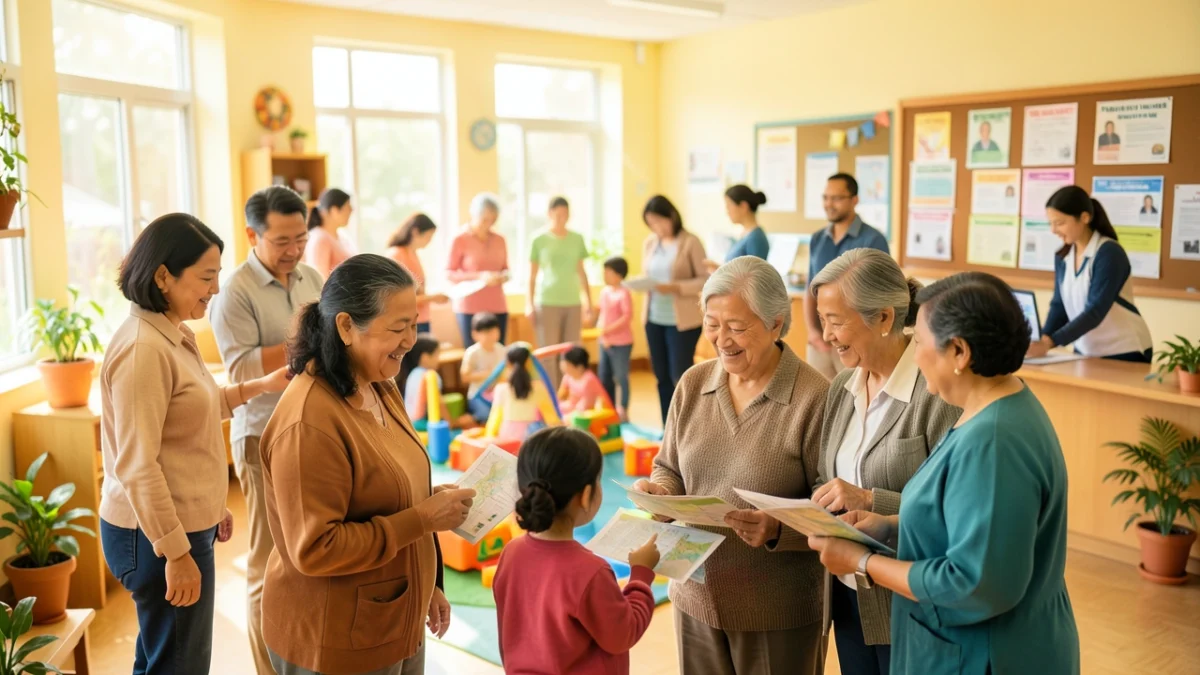
Public libraries are more than just places to borrow books. They are often the heart of a community and offer a wealth of resources for new immigrants. Librarians are usually very knowledgeable about local services and can help you find what you need.
Many libraries have computers with internet access, which is vital for finding more information online. They also host events, workshops, and classes that can help you learn new skills or meet people.
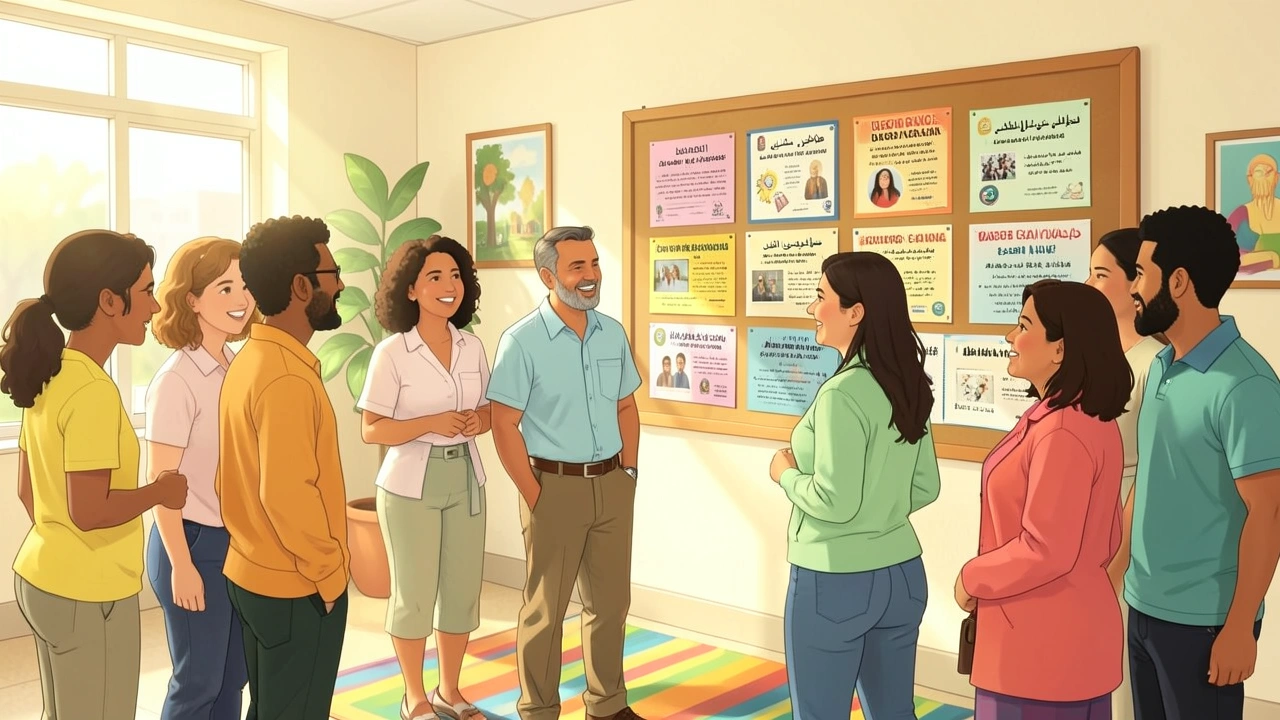
- Information Centers: Libraries often have pamphlets, brochures, and notice boards listing local services, from language classes to job support.
- Computer Access: If you don’t have your own device, libraries provide free internet and computer use, essential for online searches and applications.
- Free Programs: Many libraries offer free English classes, citizenship preparation courses, and cultural events that welcome newcomers.
For example, a recent survey found that 75% of public libraries in larger cities offer programs specifically designed for immigrants and refugees. These programs can range from basic computer skills training to help with resume writing. This makes libraries a powerful starting point for anyone looking for community help.
Community Centers and Their Services
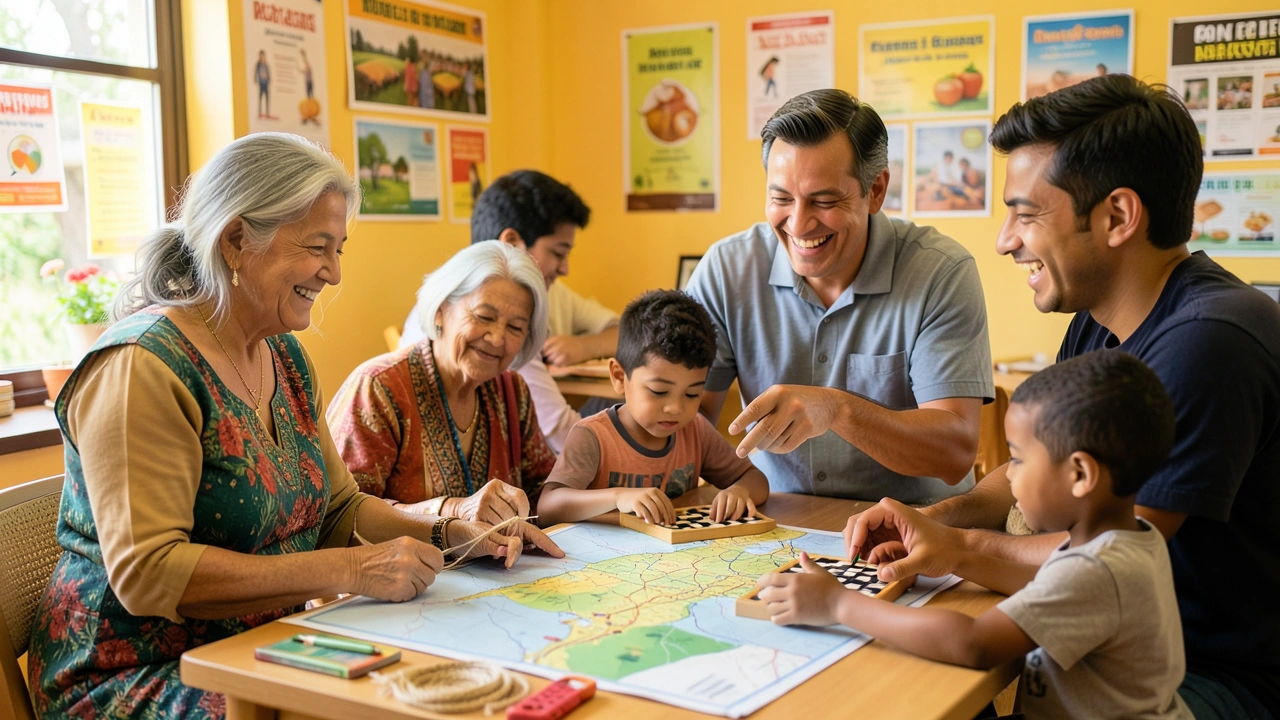
Community centers are gathering places for people in a neighborhood. They often have a wide range of activities and services that cater to diverse needs. For new immigrants, these centers can be a welcoming space to connect with others, both newcomers and long-time residents.
They might offer social events, sports activities, or educational workshops.
- Social Connection: Community centers host events that allow you to meet neighbors and build a social network.
- Skill Development: Look for workshops on topics like cooking, sewing, or local history that help you adapt to your new environment.
- Support Groups: Some centers provide space for support groups for specific needs, such as parents or job seekers.
Imagine a family arriving in a new city. They visit their local community center and find a weekly potluck dinner. At this dinner, they meet other families from their home country who offer advice on finding housing and schools.
They also meet people from different backgrounds, broadening their understanding of the new culture.
Online Resources and Digital Connections
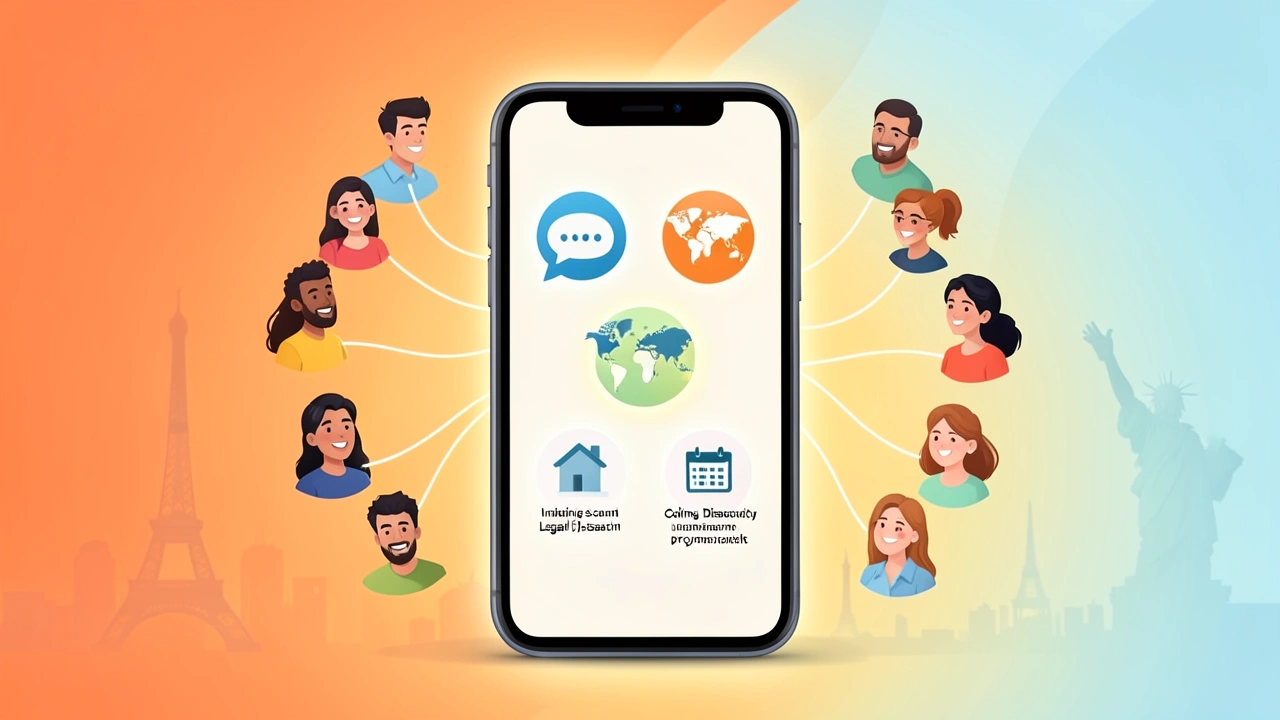
In today’s world, the internet is a powerful tool for finding help. There are many websites and online platforms dedicated to assisting new immigrants. These digital resources can provide information, connect you with services, and even help you find support groups.
It’s a great way to access information quickly and from the comfort of your home.
Government and Non-Profit Websites
Many government agencies and non-profit organizations have websites with valuable information. These sites often list available services, such as immigration support, legal aid, and job training programs. They are usually trustworthy sources of information.
- Official Information: Government sites provide accurate details about immigration laws, application processes, and rights.
- Service Directories: Non-profit sites often list a wide range of support services available in your area.
- Program Details: You can find information about specific programs, their eligibility criteria, and how to apply.
For example, the website of a country’s immigration department will clearly outline the steps for obtaining legal residency and offer links to approved resettlement agencies. These agencies, in turn, provide practical support like language classes and job placement assistance. Many of these websites also have sections in multiple languages.
Social Media and Online Forums
Social media platforms and online forums can be excellent places to connect with other immigrants and find local groups. You can join groups for people from your home country who live in your new city or groups focused on specific interests. These online communities can offer peer support and practical tips.
- Peer Support: Connect with others who share similar experiences and can offer advice.
- Local Groups: Find Facebook groups or online forums dedicated to your city or region.
- Event Information: Many groups post about local events and gatherings for newcomers.
Consider someone looking for advice on finding affordable childcare. They join a Facebook group for parents in their new city. Someone in the group quickly responds with recommendations for local daycares and shares tips on applying for subsidies.
This kind of immediate, practical advice is invaluable.
Connecting with Your Local Culture and People
Building relationships is a key part of settling in. This section focuses on ways to meet people, immerse yourself in the local culture, and find a sense of belonging. It’s about more than just services; it’s about building a life.
Volunteering and Getting Involved
Volunteering is a fantastic way to give back to your new community while also meeting people and learning new skills. Many organizations need help with various tasks, from assisting at local events to supporting environmental initiatives. It shows you care about your new home and opens doors to new friendships.
- Meeting Locals: Work alongside people who are already part of the community.
- Skill Building: Gain experience in areas that might help with job searching.
- Feeling Useful: Contributing to your community can boost your confidence and sense of purpose.
A study by a leading volunteer organization showed that immigrants who volunteer reported higher levels of social integration and overall happiness compared to those who did not. This is because volunteering provides a natural setting for conversation and shared purpose.
For instance, imagine an immigrant who loves gardening. They decide to volunteer at a local community garden. There, they meet long-time residents who share gardening tips and invite them to neighborhood barbecues.
This simple act of volunteering quickly turns into meaningful social connections.
Cultural Organizations and Religious Institutions
Many cities have cultural organizations that celebrate the heritage of different groups. These organizations often host events, language classes, and social gatherings. Similarly, religious institutions like churches, mosques, temples, and synagogues are often vibrant community centers that offer support, social networks, and a sense of belonging for people of faith.
- Cultural Events: Participate in festivals, music performances, and art exhibitions that celebrate your heritage.
- Language and Heritage Programs: Find classes to teach your children your native language or cultural traditions.
- Faith-Based Support: Connect with a congregation that can offer social, emotional, and sometimes practical support.
For example, a new immigrant from India might find a local Hindu temple that not only offers religious services but also has a community hall where cultural festivals are celebrated. They can meet other families from India and also interact with people from diverse backgrounds who attend events there.
Navigating Government and Formal Support
While informal community help is wonderful, sometimes you need official assistance. Government agencies and formal support programs are designed to provide structured help. Understanding these can ensure you access all the benefits available to you.
Immigration Services and Agencies
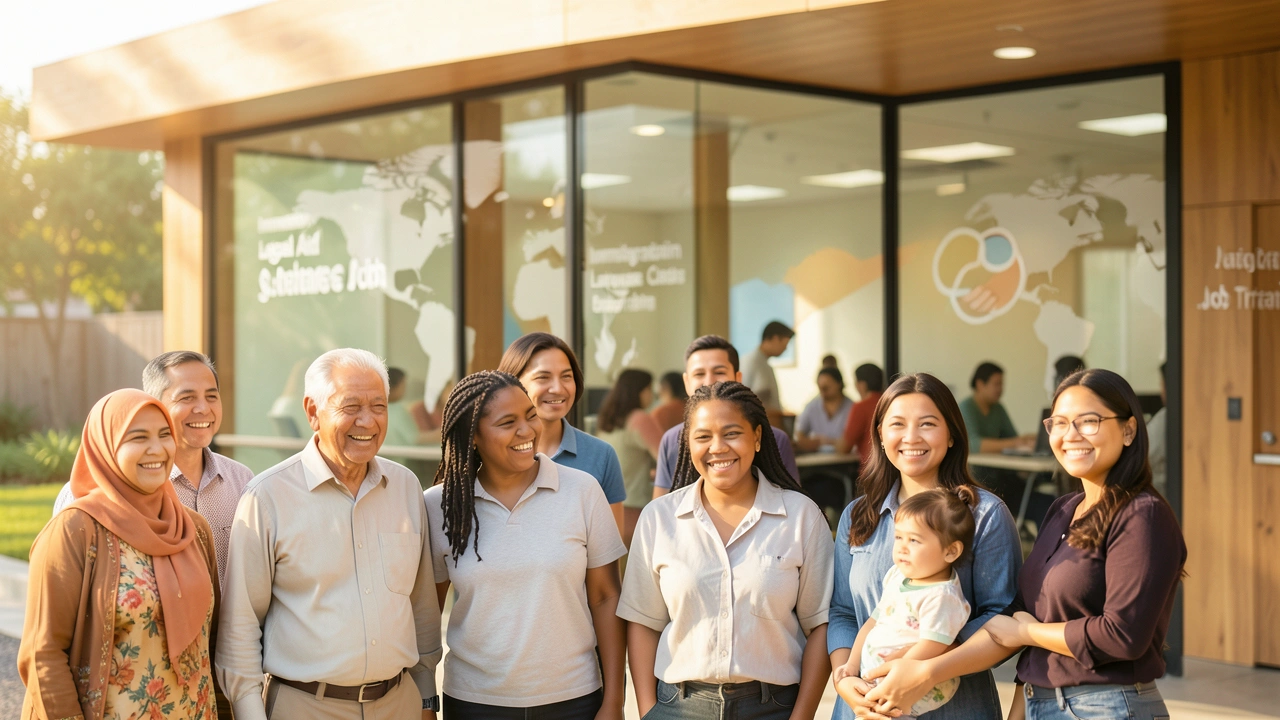
Every country has government bodies responsible for immigration. These agencies provide legal frameworks, processing of applications, and often direct support services. They are the official channels for many aspects of settling in, from visas to permanent residency.
- Official Documentation: Learn about the legal requirements and processes for staying in the country.
- Settlement Services: Many governments fund non-profit organizations to help immigrants with housing, language, and job placement.
- Rights and Responsibilities: Understand your legal rights and what is expected of you as a resident.
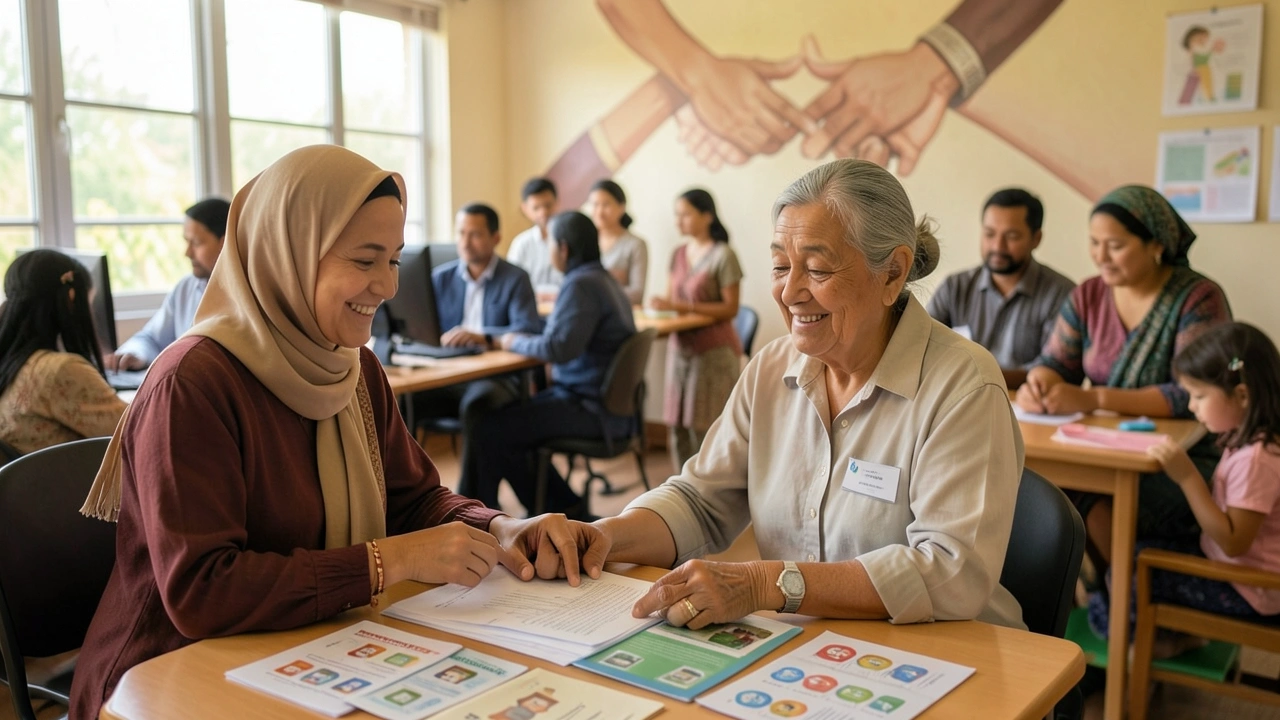
A common scenario involves a newcomer needing help with their work permit application. They visit a government-funded settlement agency. The agency provides free counseling and helps them fill out the necessary forms correctly, ensuring a smooth process.
This kind of structured support is crucial for many.
Local Government and Social Services
Beyond national immigration agencies, local city or county governments often have social services departments. These departments can help with a range of needs, including healthcare access, child welfare, and public assistance programs. They are vital for immediate welfare needs.
- Healthcare Access: Learn how to enroll in public health insurance and find doctors.
- Housing Assistance: Explore programs that might help with finding affordable housing.
- Family Support: Access services for children, such as educational support or child protection.
According to recent data, over 60% of municipalities offer some form of newcomer services, ranging from language support to information on local schools. These services are often advertised on the local government’s website or through community centers.
Making the Most of Available Resources
Once you know where to look, the next step is to actively use these resources. This involves being proactive and organized. It’s about turning information into action and building a strong support network.
Networking and Building Relationships
Building connections takes time and effort, but it’s one of the most rewarding parts of settling in. Don’t be afraid to reach out to people you meet at community events, through volunteering, or online. A friendly conversation can lead to valuable advice or even a new friendship.
- Be Open and Friendly: Smile, greet people, and show interest in their stories.
- Follow Up: If you exchange contact information, make an effort to connect again.
- Attend Events: Regularly participate in community gatherings to meet new people consistently.
Consider someone who attends a local newcomer event. They strike up a conversation with another attendee who mentions a job fair specifically for immigrants. This leads to a job interview and, eventually, employment.
A simple chat opened a significant opportunity.
Seeking Help for Specific Needs
Whether you need help with learning English, finding a doctor, or understanding local laws, there are resources for almost every need. Be specific about what you’re looking for when you ask for help. The clearer you are, the better people can assist you.
Example Scenario:
- A new immigrant needs help understanding the local school system for their child.
- They visit the local library and ask the librarian for information on schools and enrollment.
- The librarian provides brochures, contact details for the school district, and information about free English classes for children.
- The immigrant then contacts the school district and enrolls their child, feeling confident about the process.
Keeping Track of Information
When you’re looking for help, you’ll likely gather a lot of information. It’s a good idea to keep this organized. You could use a notebook, a folder on your computer, or even an app.
Write down names of organizations, contact numbers, websites, and notes from meetings.
- Create a Contact List: Keep a record of important phone numbers and email addresses.
- Save Useful Websites: Bookmark websites that offer valuable information or services.
- Note Appointments: Keep track of dates and times for meetings or classes.
This simple act of organization can prevent you from feeling overwhelmed. It ensures that when you need a specific piece of information, like a doctor’s phone number, it’s readily available. This is especially helpful when you are dealing with many different services.
Frequently Asked Questions
Question: Where can I find free English classes?
Answer: Many public libraries, community centers, and local government agencies offer free English classes. Non-profit organizations focused on immigrant services are also a great place to look.
Question: How can I find a job in a new country?
Answer: Look for immigrant employment services, government job centers, and non-profit organizations that help with resume writing, interview skills, and job searching. Online job boards and networking are also very useful.
Question: What if I need legal help with immigration papers?
Answer: Many governments fund legal aid services for immigrants, and non-profit organizations often have immigration lawyers or paralegals who can offer assistance. Be sure to find reputable and officially recognized services.
Question: Are there groups for people from my home country?
Answer: Yes, often there are cultural organizations or social groups formed by people from the same country. Searching online on social media or community boards can help you find them.
Question: How do I find healthcare services?
Answer: Your local government’s social services department can guide you on accessing public health insurance. Libraries and community centers may also have information on local clinics and doctors.
Final Thoughts
Finding community help as a new immigrant is about connecting with people and resources. You’ve learned about libraries, community centers, online tools, and formal agencies. Reaching out is the first step.
You can build a support network and feel more at home. Keep exploring these options, and you will find the assistance you need.