Moving to a new country is exciting, but it can also be a bit tricky. Many people find themselves making similar small errors when they first arrive. These Common Mistakes New Immigrants Make in the First Month can feel confusing, but don’t worry!
This guide will help you avoid them. We’ll walk through it step-by-step, making it easy to settle in smoothly.
Key Takeaways
- Learn how to set up essential communication like a local phone plan.
- Understand the basics of local banking and money management.
- Discover how to find safe and affordable housing.
- Get advice on accessing healthcare services.
- Know common transportation options and how to use them.
- Find out where to get help with legal or official paperwork.
Getting Connected: Communication First
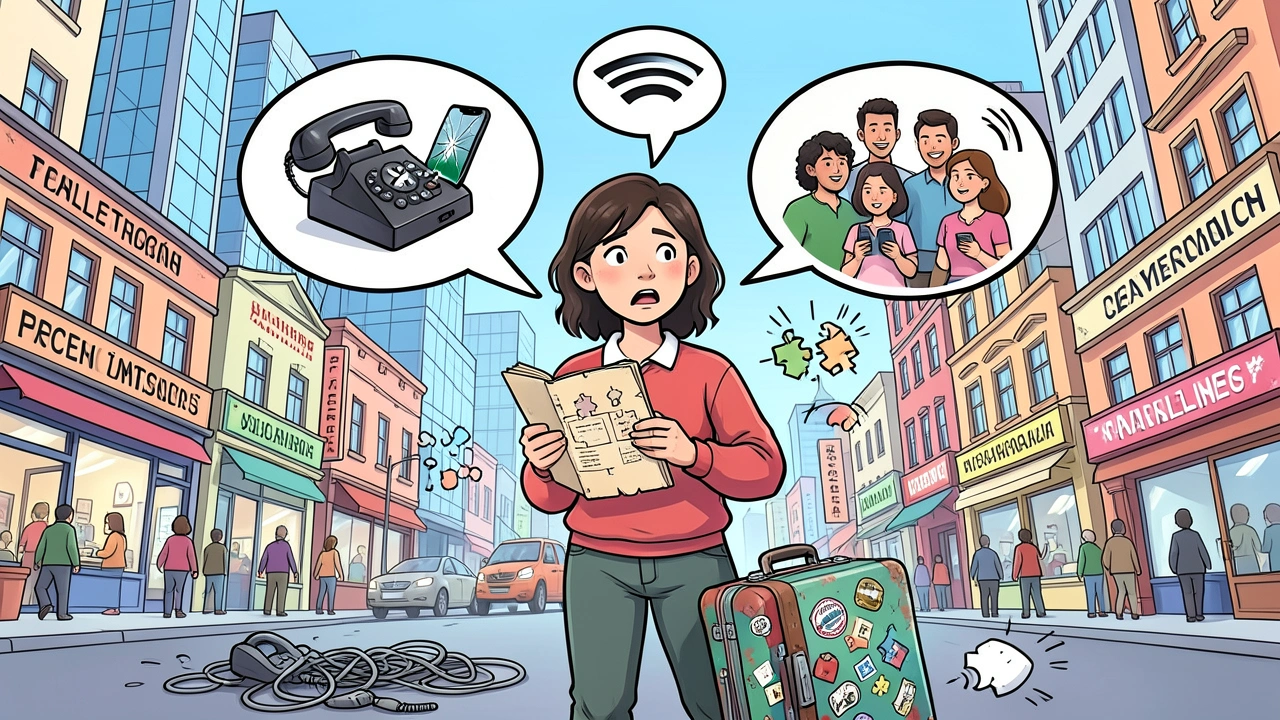
When you first land, being able to talk to people and access information is super important. This section helps you figure out the best way to get a local phone number and internet service. It’s one of the first things you’ll want to sort out so you can stay in touch with family, friends, and new contacts.
Local Phone Plans Explained
Getting a phone number that works where you are is key. You don’t want to rely on expensive international roaming for too long. Local plans are usually much cheaper and offer more data.
We’ll look at different types of plans and what to watch out for.
- Prepaid Plans: These are great for starting out. You pay for minutes or data upfront. There’s no contract, so you can stop or change plans anytime. This is perfect for when you’re still figuring out how much you’ll use your phone. Many stores offer them, and you can often buy a SIM card easily.
- Contract Plans: These often come with a free or cheap phone. You commit to paying a set amount each month for a year or two. They can be cheaper per month in the long run, but you’re locked in. It’s good to compare deals carefully.
- Coverage Maps: Before you pick a plan, check where the service works best. Some companies have better signal in certain areas. Looking at their coverage map online can save you frustration later.
A recent survey showed that about 70% of new arrivals prioritize getting a local SIM card within their first week. This is because it’s essential for job searching, asking for directions, and connecting with support groups.
Internet Access at Home
Once you have a place to live, you’ll need internet. This is how you’ll connect with loved ones back home, do online learning, or even find entertainment. Different providers offer various speeds and prices.
We’ll help you compare them.
There are usually a few main internet providers in most cities. They offer different packages, often based on how fast you need the internet to be. Some might also bundle TV or phone services.
Comparing plans can seem tricky, but it often comes down to how many devices you’ll use at once and what you do online. Streaming movies or playing games needs a faster connection than just checking email.
Managing Your Money: Banking Basics
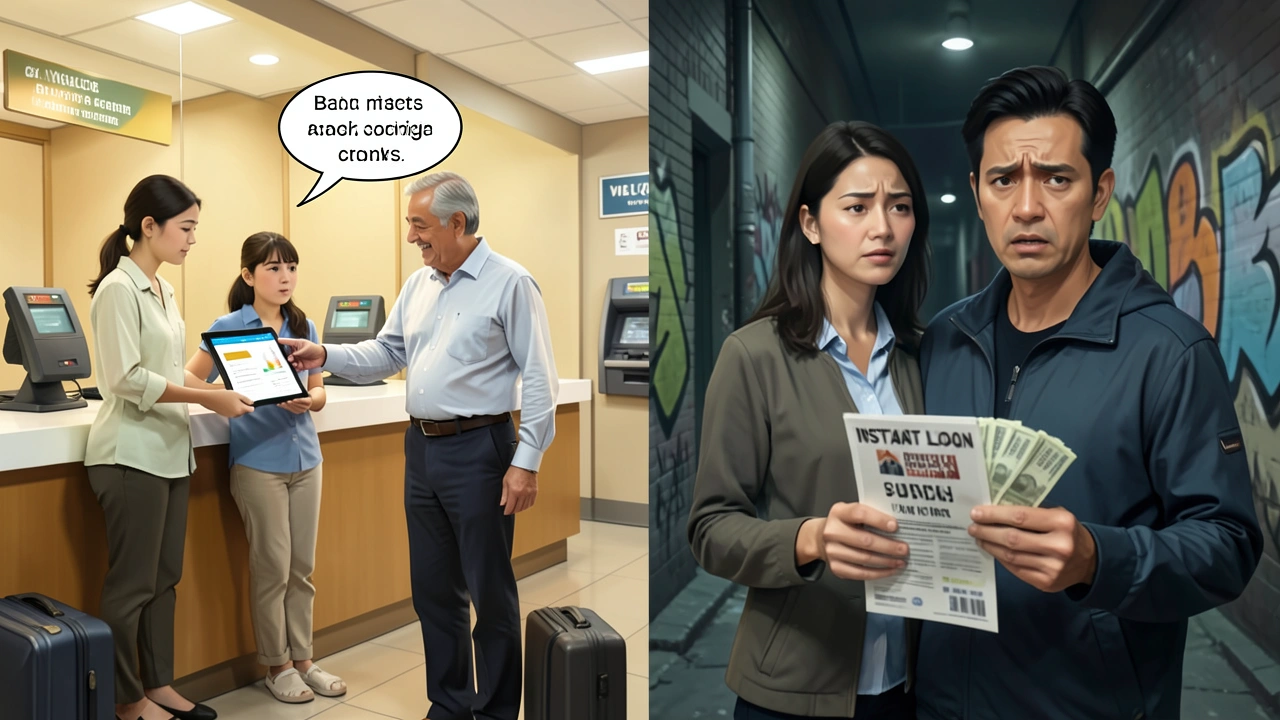
Handling money in a new country can feel like a puzzle. This part covers how to open a bank account, understand local currency, and manage your finances without stress. It’s a vital step to feeling secure and independent.
Opening a Bank Account
A bank account lets you keep your money safe. It also makes it easy to pay bills and receive payments. Most banks require identification, like your passport and proof of address.
It’s a good idea to research different banks. Some might offer accounts with fewer fees for new customers. Don’t be afraid to ask questions about services like mobile banking or international transfers.
- Identification Needed: Typically, you’ll need your passport, visa, and sometimes a letter from your employer or landlord as proof of address.
- Account Types: Checking accounts are for daily spending, while savings accounts are for setting money aside.
- Fees: Understand monthly fees, ATM fees, and international transaction fees.
In many countries, banks are very welcoming to new residents and have specific departments to help immigrants open accounts. This process usually takes less than an hour if you have all your documents ready.
Understanding Local Currency and Payments
Every country has its own money. Knowing the value of coins and bills helps you shop and budget better. You’ll also learn about different ways people pay for things here.
In some places, cash is still king. In others, credit and debit cards are used for almost everything. Mobile payment apps are also becoming very popular.
It’s wise to carry a small amount of cash for small purchases. For larger buys, a debit card is often the easiest and safest option. Always keep your cards and cash secure.
A helpful tip is to look at the currency exchange rate online before you go shopping. This way, you know how much things cost in your home currency.
Finding a Place to Live: Housing Help
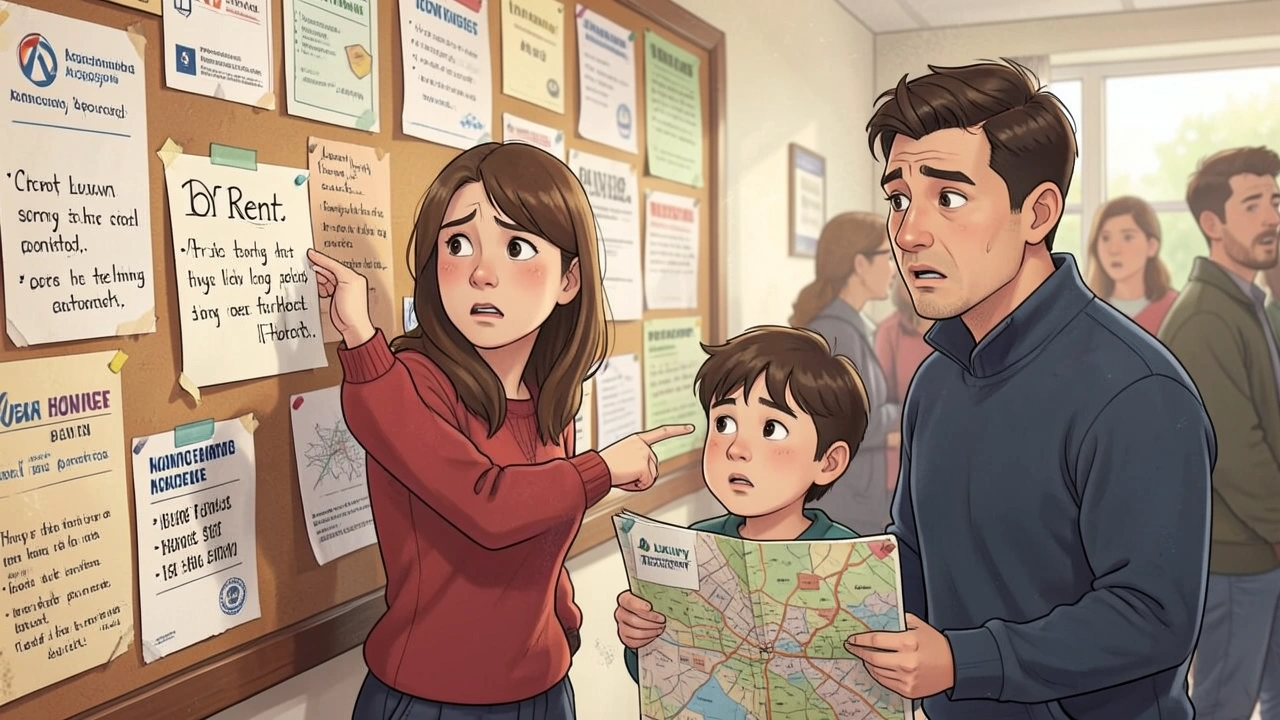
Finding a comfortable and safe place to stay is a big priority. This section will guide you through looking for apartments or houses, understanding rental agreements, and what to expect when moving in. It aims to make this process less confusing.
Searching for Housing
There are several ways to find a place to live. Online listings are very common, but local real estate agents can also be helpful. Sometimes, friends or community groups can point you to good options.
When you look at a place, check everything. Is the plumbing working? Is there enough light?
Is it in a safe neighborhood? Visiting at different times of the day can give you a better idea.
- Online Listings: Websites and apps dedicated to rentals are a primary source.
- Real Estate Agents: They can help you find properties and negotiate.
- Community Resources: Sometimes, local immigrant support centers have housing leads.
Many immigrants find that looking for a room in a shared house is a good first step. It’s often cheaper and helps you meet people.
Rental Agreements and Moving In
Once you find a place, you’ll sign a rental agreement, or lease. This is a legal document that outlines your rights and responsibilities as a tenant, and the landlord’s too. It’s very important to read and understand it before signing.
This agreement will state the rent amount, when it’s due, and how long you’ll rent the place. It will also mention rules about pets, smoking, or making changes to the property. Always ask for clarification if anything is unclear.
When you move in, you’ll likely pay a deposit and the first month’s rent. The deposit is usually returned when you move out, provided you haven’t damaged the property. It’s a good idea to take photos of the property when you first move in to document its condition.
Common Mistakes New Immigrants Make in the First Month include not reading the lease carefully. This can lead to unexpected costs or problems down the line. Always ask for a translated copy if needed, or bring someone along who can help you understand it.
Accessing Healthcare: Staying Healthy
Your health is important. This part explains how the healthcare system works, how to find doctors, and what to do in case of illness or emergencies. Knowing these steps ensures you can get the care you need.
How the Healthcare System Works
Healthcare systems vary a lot from country to country. Some have public healthcare that most people can access through taxes, while others rely more on private insurance. You’ll need to find out which system applies to you.
If you have health insurance, understand what it covers. Does it include doctor visits, specialists, and medicines? Knowing your coverage will help you manage costs and get the right treatment.
- Public vs. Private: Understand if you are covered by national health services or need private insurance.
- Finding a Doctor: You might need to register with a local doctor or clinic.
- Emergency Services: Know the number to call for an ambulance or medical emergencies.
Many countries offer resources for immigrants to help them understand their healthcare options. These often include translated guides and helplines.
Visiting a Doctor and Getting Prescriptions
If you feel unwell, the first step is usually to see a general doctor, also known as a primary care physician. They can diagnose common illnesses and refer you to specialists if needed. Booking an appointment might be required, or some clinics offer walk-in services.
If the doctor prescribes medication, you’ll take the prescription to a pharmacy. Pharmacies are usually found in most neighborhoods. The pharmacist can fill your prescription and answer questions about how to take your medicine.
It’s a good idea to have a small kit with basic first-aid supplies at home. This can help with minor cuts or headaches without needing a doctor’s visit.
Getting Around: Transportation Options
Moving around your new city or town is essential. This section covers how to use public transport, like buses, trains, and subways, and other ways to get from place to place. Making travel easy helps you explore and get to your appointments.
Using Public Transportation
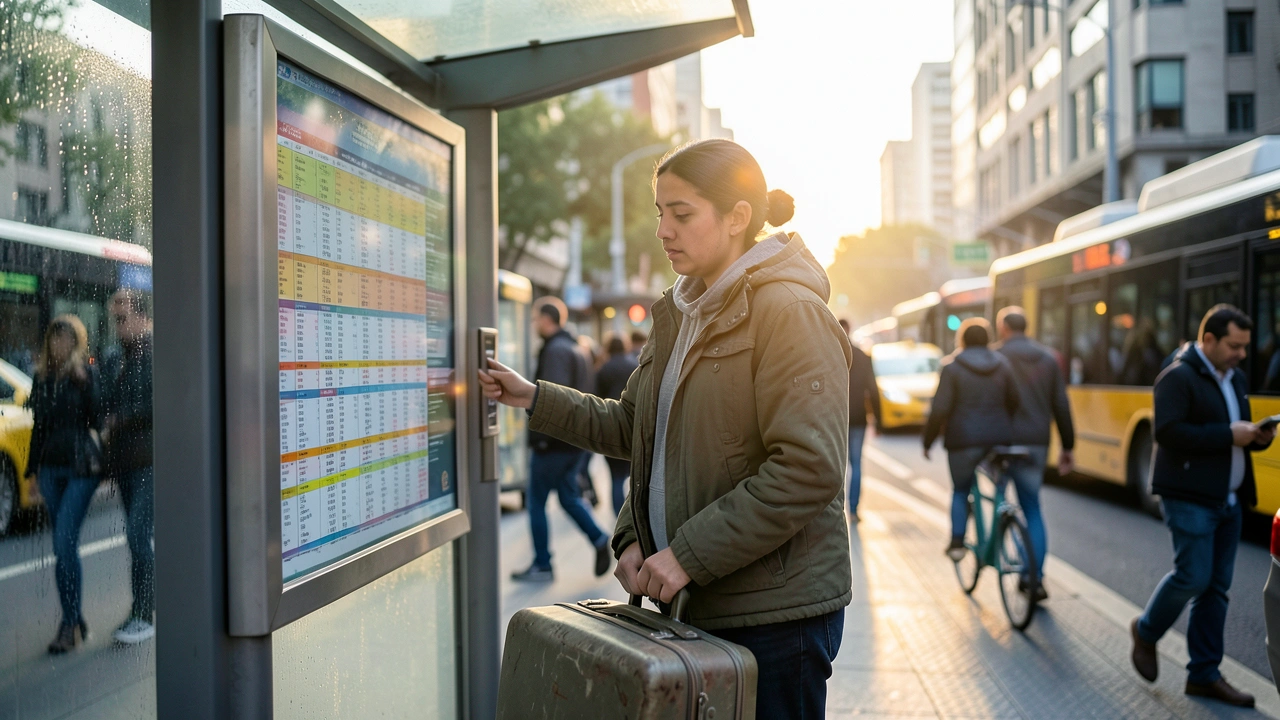
Public transport is often the most affordable and convenient way to travel, especially in cities. You’ll need to learn about routes, schedules, and how to pay for your fare. Many cities have travel cards or apps that make paying simpler.
Look for maps of the bus and train routes. They are often available at stations or online. Learning the main lines that go to important places like grocery stores or your workplace is a good start.
- Bus and Train Routes: Study the network to understand where you can go.
- Fares and Passes: Find out about single tickets, daily passes, or monthly subscriptions.
- Schedules: Public transport runs at specific times, so check when the first and last services are.
Many immigrants find public transport apps very useful. They can show you real-time arrival times and help you plan your journey.
Other Ways to Travel
Besides public transport, there might be other options. Taxis and ride-sharing services are common for quicker trips or when public transport isn’t available. Depending on the city, cycling or walking can also be great ways to get around.
If you plan to drive, you’ll likely need to get a local driver’s license. The process for this varies by country and state. You might need to take a written test and a practical driving test.
For shorter distances, many cities have bike-sharing programs. This is a healthy and eco-friendly way to travel and see the sights.

Legal and Official Matters: Paperwork Help
Dealing with official papers and legal requirements can be overwhelming. This part offers advice on common legal tasks, where to find help, and how to stay on the right side of the law. Getting this right means fewer worries.
Important Documents and Procedures
When you arrive, you’ll have important documents like your passport, visa, and possibly a work permit. It’s vital to keep these safe and know where they are. You might need them for many things, from opening a bank account to applying for jobs.
There might be other registrations you need to do, like registering with local authorities or signing up for social services. These procedures ensure you are recognized as a resident and can access benefits you’re entitled to.
- Passport and Visa: Always keep these secure and know their expiry dates.
- Work Permits: Ensure you have the correct documentation to work legally.
- Registration: Check if you need to register with local police or immigration offices.
It’s wise to make copies of all important documents and store them separately from the originals. Digital copies stored securely online are also a good idea.
Seeking Assistance and Advice
If you’re unsure about any legal or official matter, don’t hesitate to ask for help. There are often organizations that help immigrants with these issues. They can offer advice, help you fill out forms, or represent you if needed.
These services can be run by the government, non-profit groups, or community organizations. They exist to support people like you during their transition. Don’t be shy about reaching out; that’s what they are there for.
Many people find attending local community events a good way to learn about available support services. It’s also a chance to meet people who can share their experiences and advice.
Frequently Asked Questions
Question: What is the most common mistake new immigrants make with communication?
Answer: Not getting a local SIM card quickly. This makes it hard to call local numbers, get directions, or use data for maps and information.
Question: How can I avoid common banking mistakes?
Answer: Always ask about fees before opening an account and understand what services are included. Also, keep your PIN private.
Question: Is it hard to find housing as a new immigrant?
Answer: It can take time, but many resources exist. Start by looking online and asking community groups for leads. Understand your rental agreement well.
Question: What should I do if I need medical help?
Answer: Know the emergency number for your area. If it’s not an emergency, find a local clinic or doctor and understand your health insurance coverage.
Question: Is public transport difficult to use in a new country?
Answer: It can seem confusing at first, but most systems are designed to be user-friendly. Look for route maps and apps to help you learn.
Wrap Up
Settling into a new place involves many steps, and avoiding common issues makes it smoother. By knowing about communication, banking, housing, health, and travel, you can feel more confident. You’ve got this!