Starting life in a new country can feel like a lot. Figuring out the Documents Every New Immigrant Needs in the USA might seem tricky at first. But don’t worry!
We’re here to help make it simple. This guide will break down everything you need, step by step. Get ready to learn what papers are important and how to get them.
We’ll cover the basics so you feel prepared and confident. Let’s get started on the right foot.
Key Takeaways
- You will learn about the most important papers for new arrivals.
- This guide will explain why each document is needed.
- We will cover identification like passports and visas.
- You’ll find out about documents for work and housing.
- Tips on how to keep your important papers safe will be shared.
- We will make the process of gathering these documents much easier.
Essential Identification Documents for Immigrants
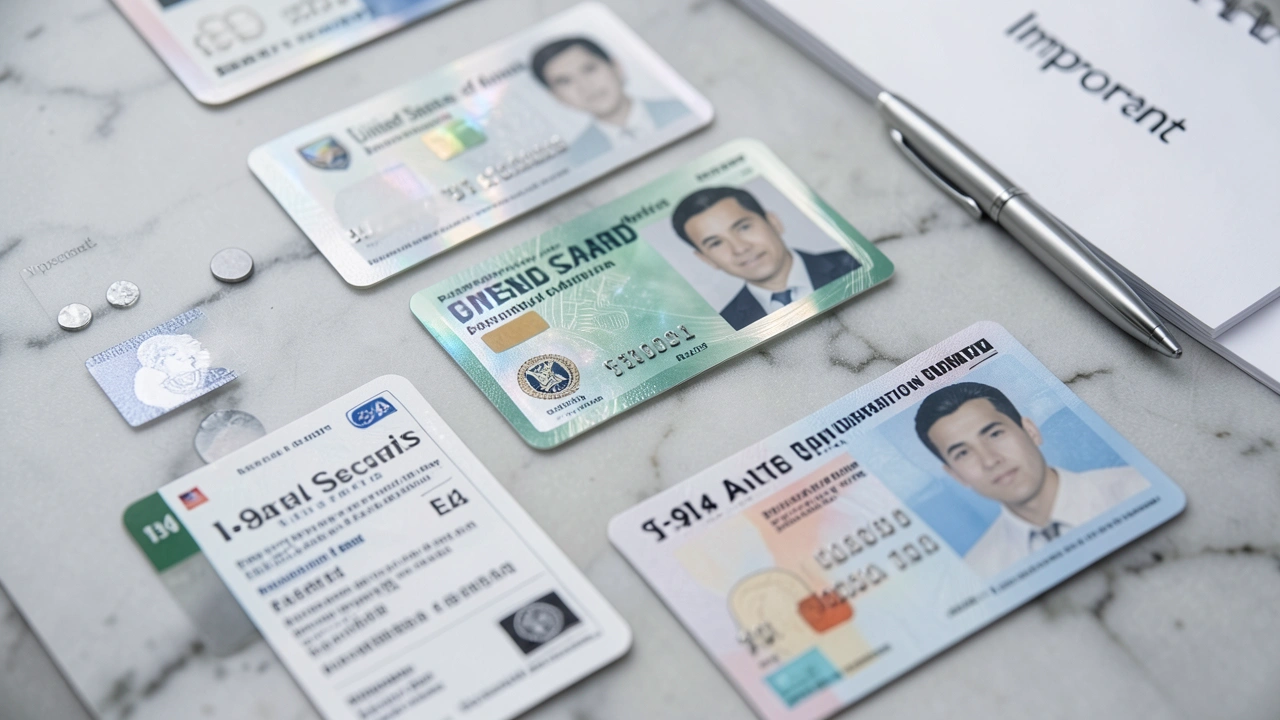
When you first arrive in the United States, having the right identification is super important. These are the papers that prove who you are and your right to be here. Think of them as your key to many doors.
Without them, it’s hard to do almost anything official. This section will go over the main identity papers you will need.
Passport and Visa
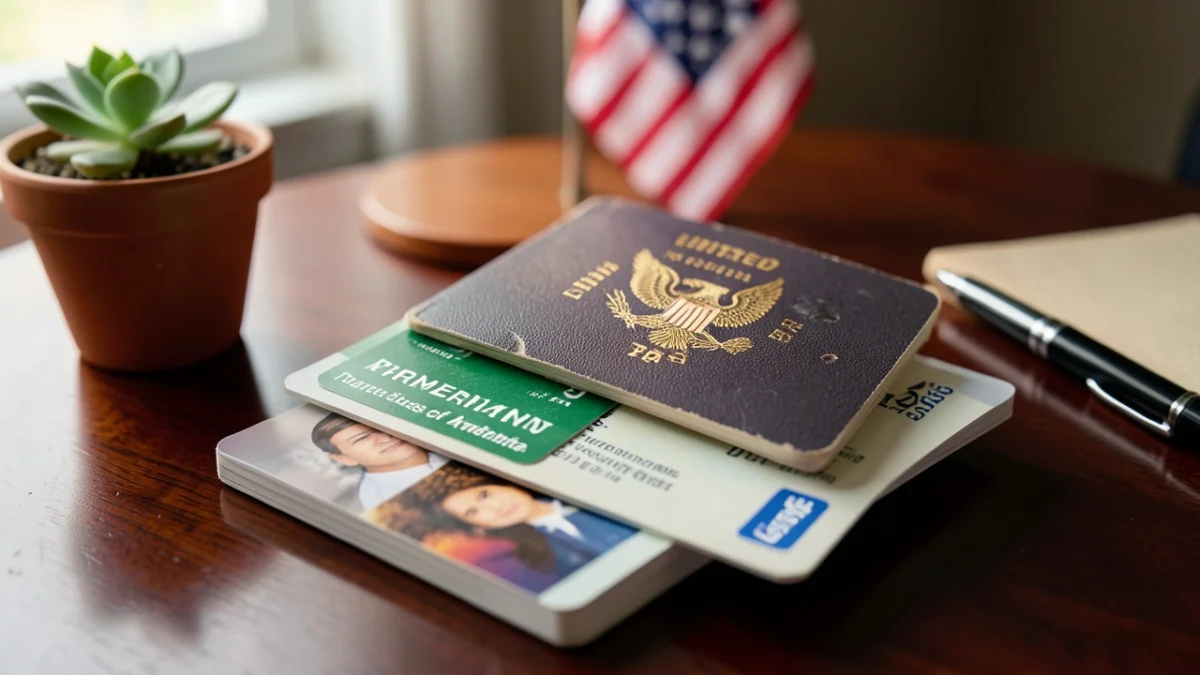
Your passport is your first official ID from your home country. It shows your photo, name, and other personal details. The visa is a sticker or stamp in your passport from the U.S.
government. It tells everyone you have permission to enter the country for a specific reason, like to live or work.
These two documents are usually checked first when you arrive at the airport or border. They are the main proof that you are allowed to be in the U.S.
- Passport: This is your travel document issued by your home country. It’s vital for international travel and proof of your citizenship.
- Visa: This is permission granted by the U.S. government to enter the country. There are many types of visas, depending on why you are coming to the U.S.
Having a valid passport and the correct visa is the very first step for any new immigrant. Make sure they are not expired and that the information on them is correct. If anything is wrong, you might have problems entering the country.
Immigration Forms and Notices
When you apply to come to the U.S., you fill out many forms. The U.S. government also sends you notices about your immigration case.
These papers are proof of your immigration process.
Keep every single paper the U.S. government sends you. This includes things like your I-94 Arrival/Departure Record, which is given to you when you enter the country.
It shows when you arrived and your legal status. It is often an electronic record now.
- I-94 Arrival/Departure Record: This form tracks your entry and exit from the U.S. It’s important for proving your legal status.
- Approval Notices: Any letters showing your visa or green card applications have been approved are very important.
These forms are like a diary of your immigration journey. They can be needed later for things like applying for a Social Security card or a driver’s license.
Social Security Card
Once you are in the U.S. and have the right to work, you will need a Social Security card. This card has a unique nine-digit number.
It’s used by the government to track your earnings and taxes.
You cannot work legally in the U.S. without a Social Security number. It’s also used for opening bank accounts, getting a driver’s license, and other important services.
- Purpose: To track your earnings and contributions to Social Security and Medicare.
- Requirement: Essential for employment, banking, and many government services.
Applying for a Social Security card is usually one of the first things people do after arriving. You can apply at a local Social Security office. Bring your passport, visa, and any other immigration documents you have.
Documents for Daily Life and Integration
Beyond identification, several other documents help you live and work in the U.S. These papers are key for everyday tasks and becoming part of the community. They help you secure a home, get a job, and access services.
This part focuses on what you need for practical living.
Proof of Address
Many places will ask for proof that you live at a certain address. This is common when you rent an apartment, set up utilities, or even open a bank account.
You can use different papers as proof of address. It just needs to show your name and where you live. This helps organizations confirm your residency.
- Utility Bills: Bills from electricity, gas, or water companies addressed to you at your home.
- Lease Agreement: If you rent an apartment, your signed lease is strong proof.
- Bank Statements: Statements from your bank that show your current address.
Having these papers ready will make things like setting up internet or getting a phone plan much smoother. Landlords will want to see this when you apply for a place to live.
Driver’s License or State ID
A driver’s license is not just for driving. In many states, it’s also a primary form of identification. It’s very useful for daily life.
If you don’t drive, you can get a state ID card. This card looks like a driver’s license but is only for identification purposes. Both are issued by the Department of Motor Vehicles (DMV) in each state.
- Driver’s License: Allows you to legally drive a vehicle and serves as a photo ID.
- State ID Card: A non-driving identification card, useful for those who don’t drive.
The requirements for getting a driver’s license or state ID vary by state. Generally, you’ll need proof of identity, your Social Security number, and proof of residency. You might also need to pass a written and driving test.
Bank Account Information
Opening a bank account is essential for managing your money. You can deposit checks, receive salary payments, and pay bills easily.
To open an account, banks typically ask for identification and proof of address. Some banks might also ask for your immigration documents.
- Types of Accounts: Checking accounts for daily use and savings accounts for storing money.
- Requirements: Identification (passport, driver’s license) and proof of address.
Having a bank account helps you avoid carrying large amounts of cash. It also makes it easier to build a financial history in the U.S.

Documents for Work and Education
Getting a job and pursuing education are big steps for immigrants. Specific documents are needed to prove your eligibility and qualifications. This section covers what you need for these important areas.
Employment Authorization Document (EAD)
If you are allowed to work in the U.S. but don’t have a Social Security card yet, or your visa status doesn’t automatically grant work permission, you might need an Employment Authorization Document (EAD). This card shows you have permission from the U.S.
government to work.
It’s often called an “Employment Permit” or “Work Permit.” You must have this card to legally accept most jobs.
- Purpose: Grants permission to work legally in the United States for a specific period.
- Application: Requires filling out specific forms and providing supporting documentation to U.S. Citizenship and Immigration Services (USCIS).
The process for getting an EAD can take time, so it’s good to start early. The expiration date on your EAD is important, as you cannot work after it expires.
Educational Records
If you plan to study or enroll in vocational training, your past educational records are important. This includes diplomas, transcripts, and degrees from your home country.
These documents show what you have learned and can help you get accepted into U.S. schools or training programs. Sometimes, these documents might need to be translated into English and officially evaluated.
- Transcripts: Official records of your courses and grades from previous schools.
- Diplomas/Degrees: Certificates showing you completed a program of study.
For higher education, U.S. universities often require a credential evaluation. This is a service that compares your foreign education to U.S.
standards.
Resume or Curriculum Vitae (CV)
When applying for jobs, you will need a resume or CV. This document lists your work experience, skills, education, and any other qualifications.
A well-written resume is your first introduction to a potential employer. It needs to be clear, concise, and highlight your strengths for the jobs you’re applying for.
- Content: Work history, skills, education, contact information.
- Purpose: To showcase your qualifications and experience to employers.
Many resources are available to help you create a strong resume. You can find them online or at local community centers that help immigrants.
Documents for Healthcare and Other Services
Accessing healthcare and other essential services depends on having the right paperwork. These documents ensure you can get the medical help you need and access important social services.
Health Records and Vaccination Records
Your past health records and vaccination history are important for your well-being. U.S. schools and some employers may ask for these to ensure you are up-to-date on immunizations.
Having these records can also help doctors in the U.S. understand your medical history better, especially if you have ongoing health conditions.
- Vaccination Records: Proof of immunizations received, like measles, polio, and tetanus.
- Medical History: Past diagnoses, treatments, and surgeries.
If your records are not in English, you may need to get them officially translated. This ensures U.S. healthcare providers can read and understand them.
Birth Certificate
Your birth certificate is a fundamental document that proves your date and place of birth. It’s essential for many applications throughout your life in the U.S.
You’ll likely need it when applying for citizenship, a Social Security card, or a driver’s license. It’s a core piece of personal identification.
- Purpose: To officially verify your birth details.
- Use Cases: Applications for Social Security, driver’s licenses, and citizenship.
Always keep your original birth certificate in a safe place. It’s a document you will refer to many times.
Marriage Certificate
If you are married, your marriage certificate is proof of your marital status. This document is important for various legal and financial matters.
It can be needed for immigration purposes if you are sponsoring a spouse, for tax purposes, or when making decisions about healthcare or inheritance.
- Purpose: Legal proof of marriage.
- Importance: For immigration, taxes, and family-related legal matters.
Like your birth certificate, keep this document secure. If it’s not in English, you may need a certified translation.
Organizing and Protecting Your Documents
Gathering all these important documents is only half the battle. Keeping them organized and safe is just as crucial. Losing important papers can cause significant problems and delays.
This section will give you practical tips on how to manage your documents effectively. It’s about making sure you can find what you need, when you need it, and that they are protected from damage or loss.
Creating Copies
Before you start using your original documents, it’s a smart idea to make copies. You can make both physical photocopies and digital scans.
Copies are useful for everyday applications where the original is not strictly required. They also serve as backups in case your original documents are lost or stolen. Keep the copies in a different place than the originals.
- Photocopies: Simple copies made with a copier or printer.
- Digital Scans: Save scanned documents as PDF files on a secure cloud service or external hard drive.
For some applications, only original documents are accepted. Always check the requirements carefully before submitting a copy.
Secure Storage
Your important documents need a safe place to be stored. Think about how to protect them from fire, water damage, or theft.
A fireproof and waterproof safe can be a good investment for your most critical papers. For less sensitive but still important items, a locked filing cabinet or a secure box can work well.
- Home Safe: A safe designed to protect contents from fire and water.
- Secure Filing Cabinet: A lockable cabinet can deter casual theft.
Consider where you live. If you are in an area prone to natural disasters, think about digital backups or storing originals with trusted family or friends in a safer location.
Digital Backups
In today’s world, digital backups are essential. Scanning all your important documents and storing them securely online provides an extra layer of protection.
Use reputable cloud storage services that offer good security features. You can also save them to a USB drive or an external hard drive, but keep those in a separate, secure location from your home.
- Cloud Storage: Services like Google Drive, Dropbox, or iCloud offer secure storage.
- External Drives: USB drives or external hard drives can store large amounts of data.
Make sure your cloud accounts are protected with strong passwords and two-factor authentication. This helps prevent unauthorized access to your sensitive information.
Frequently Asked Questions
Question: What is the most important document for a new immigrant?
Answer: While many documents are important, your passport and visa are usually the very first and most critical documents needed for entry into the U.S. They confirm your identity and permission to travel.
Question: Can I work in the U.S. with just a visa?
Answer: Some visas allow you to work, but many do not. You often need a specific Employment Authorization Document (EAD) or your visa status must clearly state you are allowed to work.
Question: How do I get a Social Security card?
Answer: You can apply for a Social Security card at a Social Security office. You will need proof of your identity and immigration status, such as your passport and visa.
Question: What if my documents are not in English?
Answer: For most official purposes in the U.S., documents not in English need to be accompanied by a certified English translation. This means a translator confirms the translation is accurate.
Question: Where should I keep my important original documents?
Answer: Keep original documents in a safe, secure place. This could be a fireproof safe at home or a safety deposit box at a bank. Also, keep digital copies as backups.
Summary
Getting settled in the U.S. means gathering key papers. From identification like passports to work permits and health records, each document plays a role.
Organizing and securing these papers makes life easier. You have the knowledge to find and manage Documents Every New Immigrant Needs in the USA. You are ready to face this next step with confidence and preparedness.