

When you’re planning a trip within the United States, you might wonder What Documents to Carry When Traveling Inside the USA. It can seem a bit confusing, especially if it’s your first time traveling on your own. Don’t worry, though!
We’re here to make it super simple. We’ll walk you through everything you need, step-by-step, so you can feel prepared and ready for your adventure. Get ready to learn what essentials to pack for a smooth trip.
Key Takeaways
- You’ll learn about the most important documents for domestic travel.
- We will explain why certain documents are needed.
- You’ll find out about optional but helpful items to bring.
- We’ll cover what to do if you don’t have a driver’s license.
- You’ll get tips on how to keep your important papers safe.
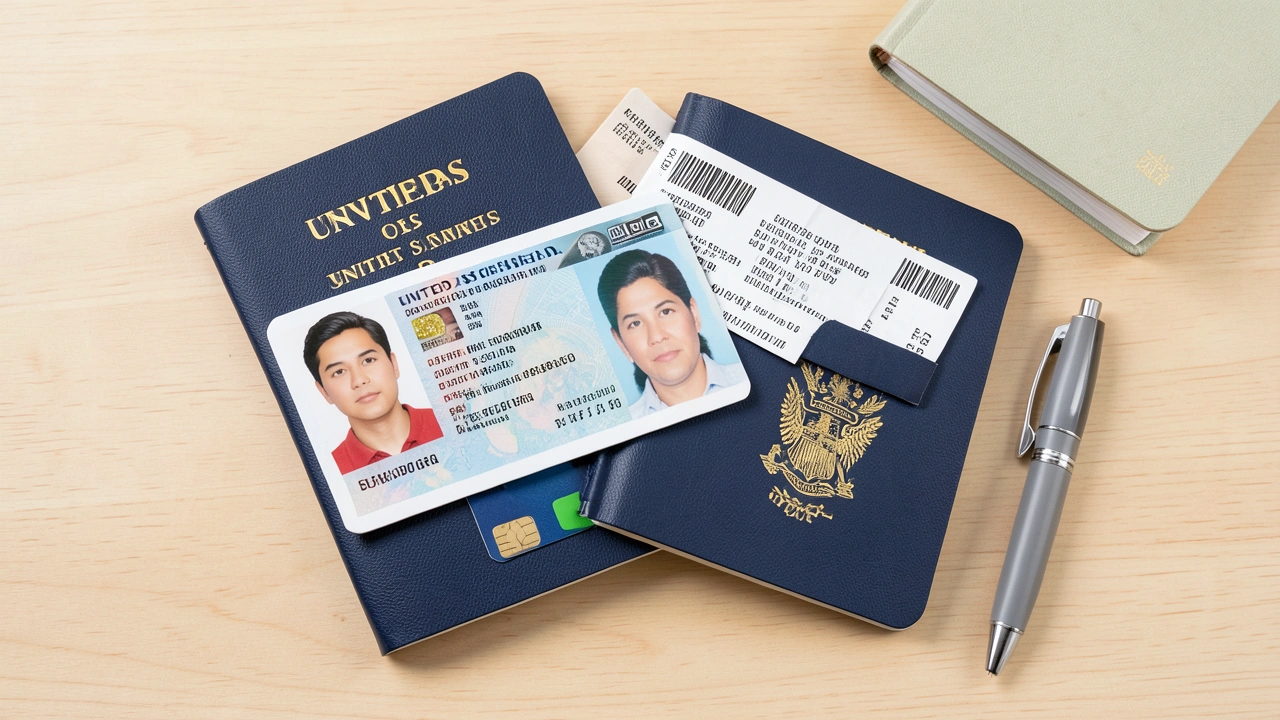
Essential Identification for Your Trip
When you travel inside the U.S., having the right identification is key. The government needs to know who you are, especially for things like getting on an airplane. Think of it like a digital handshake that says, “I’m me, and I’m supposed to be here.” This helps keep everyone safe and makes sure things run smoothly at airports and other checkpoints.
We’ll break down exactly what you need so you don’t have to guess.
Government-Issued Photo ID
The most common and often required document is a government-issued photo ID. This is your primary proof of identity. It shows your face and your name, which are unique identifiers.
Many places will ask for this to confirm you are who you say you are.
- Driver’s License: This is the most popular form of ID for many people. If you drive, you likely already have one. It has your picture, your name, your address, and a unique number. It’s accepted almost everywhere for travel within the U.S. For example, if you’re flying, your driver’s license will work perfectly fine at the TSA security checkpoint. Many hotels also ask for it when you check in.
- State-Issued ID Card: If you don’t drive, you can get a state-issued ID card. These look very similar to a driver’s license and serve the same purpose for identification. They are great for anyone who needs official ID but doesn’t have a driver’s license. Many young travelers or people who use public transport often find these very useful.
- U.S. Passport: Your U.S. passport is also a valid form of identification for domestic travel. While it’s often associated with international trips, it’s a powerful ID within the country too. It’s issued by the U.S. Department of State and is a highly trusted document. You can use it at TSA checkpoints and for any other identification needs.
- U.S. Passport Card: This is a smaller, wallet-sized version of the passport. It’s cheaper and easier to carry. It’s valid for identification when driving across land borders or arriving by sea from Canada, Mexico, Bermuda, and the Caribbean. For domestic travel, it functions similarly to a driver’s license or state ID.
These IDs are important because they have security features to prevent forgery. They are designed to be hard to fake, giving officials confidence in their authenticity. This is why they are the go-to documents for proving who you are.
What If You Don’t Have a Driver’s License?
Not having a driver’s license is not a problem when it comes to traveling in the U.S. There are other ways to prove who you are. The government understands that not everyone drives.
This is why other official documents are accepted.
The Transportation Security Administration (TSA) has a list of acceptable IDs. If you don’t have a driver’s license, a passport or passport card is a great alternative. You can also use identification from certain federal agencies or tribal governments.
The goal is to have a photo ID issued by a trusted source that clearly links your face to your name.
Alternative Identification Options
Beyond passports, other forms of identification can be helpful. These might be needed for specific situations or as backup. Always check with the airline or accommodation provider if you’re unsure about what they accept.
- Military ID: If you are in the military, your military ID is a valid form of identification. This is a very secure document. It clearly shows your status and picture.
- Permanent Resident Card: Also known as a “green card,” this card identifies you as a lawful permanent resident of the United States. It’s a key document for many individuals living in the U.S. and is accepted for domestic travel.
- Trusted Traveler Cards: Cards like Global Entry, NEXUS, or SENTRI are issued by U.S. Customs and Border Protection. While primarily for expedited international travel, they also serve as valid identification for domestic flights.
- DHS Trusted Traveler cards are an example of alternative IDs. These are issued by government agencies and have strong security features. They are designed for specific purposes, but their reliability makes them useful for general identification needs.
These options ensure that everyone, regardless of their driving status, has valid ways to identify themselves during travel. The key is that the document is official, has your photo, and is issued by a recognized authority.
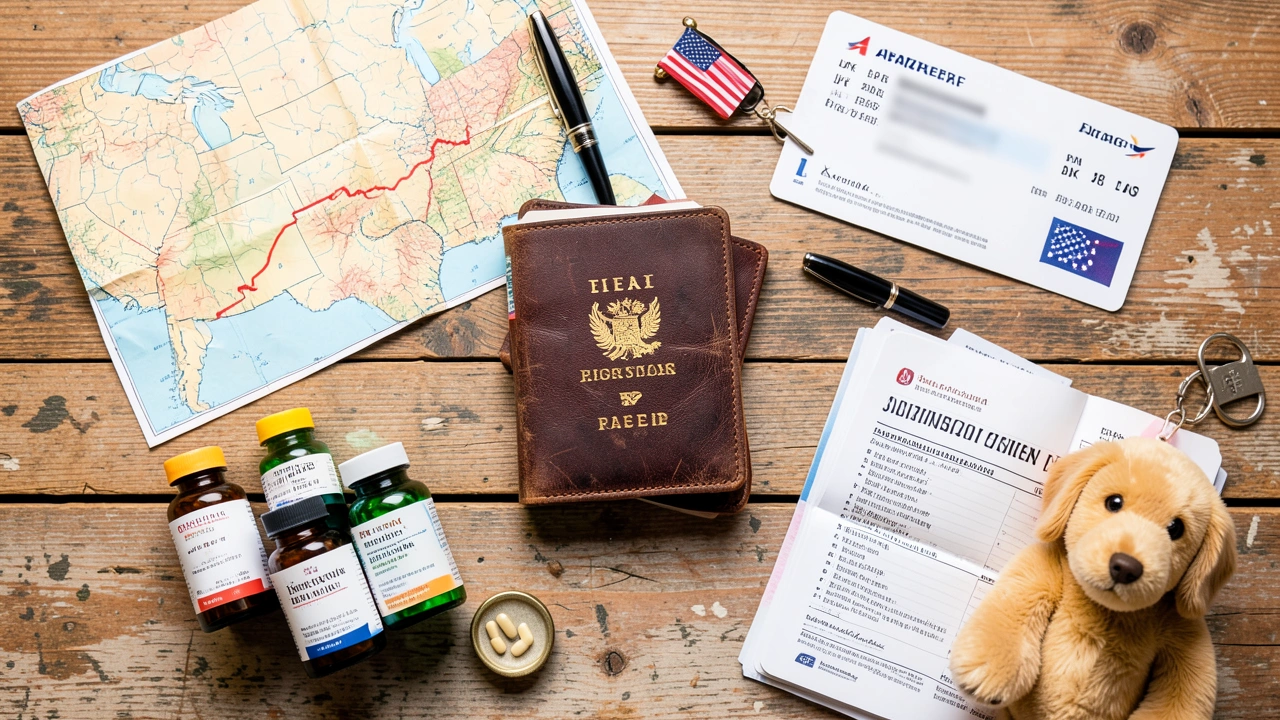
Documentation for Specific Travel Needs
Beyond basic identification, some trips might require special documents. These aren’t always mandatory for everyone, but they can be very important depending on your situation. Think about things like your health or any special arrangements you’ve made.
Health-Related Documents
While not always checked for domestic travel, having certain health documents can be wise. This is especially true if you have any medical conditions or are traveling with medication.
- Prescription Information: If you carry prescription medication, it’s a good idea to have a copy of your prescription from your doctor. While you usually don’t need to show it at security, it’s helpful if you’re questioned about your medication. You should always keep your medication in its original container with the label intact. This helps prevent any confusion.
- Doctor’s Note: For individuals with specific medical needs, a note from your doctor explaining those needs can be beneficial. This could be for carrying medical equipment or needing special assistance. For example, a doctor’s note might explain why you need to carry an insulin pen or a specific medical device through security. This can speed up the screening process.
- Vaccination Records: Although not commonly required for travel within the U.S. for most diseases, keeping up-to-date with your vaccinations is important for general health. If you have specific health concerns or are traveling to areas with localized outbreaks, having a record can be reassuring.
These documents are primarily for your own preparedness and safety. They are not typically used for identity verification like your driver’s license or passport. They are more about managing your personal health needs while on the road.
Travel Itinerary and Bookings
While not official identification, having your travel plans handy can make your trip smoother. This includes confirmations for flights, hotels, and rental cars.
- Flight/Train/Bus Tickets: Keep digital or printed copies of your tickets. Most airlines and travel providers allow you to use mobile boarding passes on your phone. However, having a backup printout can be useful if your phone battery dies or you lose service. This also applies to train and bus tickets for long-distance travel.
- Hotel Reservations: A confirmation email or printout of your hotel booking helps you check in faster. It ensures you have the correct room and dates. This is especially helpful at busy hotels where information might get mixed up.
- Car Rental Confirmation: If you’re renting a car, bring your reservation details. This includes the confirmation number and the type of car you booked. It helps the rental agency quickly find your reservation and get you on your way.
These documents help you stay organized. They provide proof of your arrangements and can save you time and hassle. Many travel apps allow you to store all these confirmations in one place, making them easy to access.
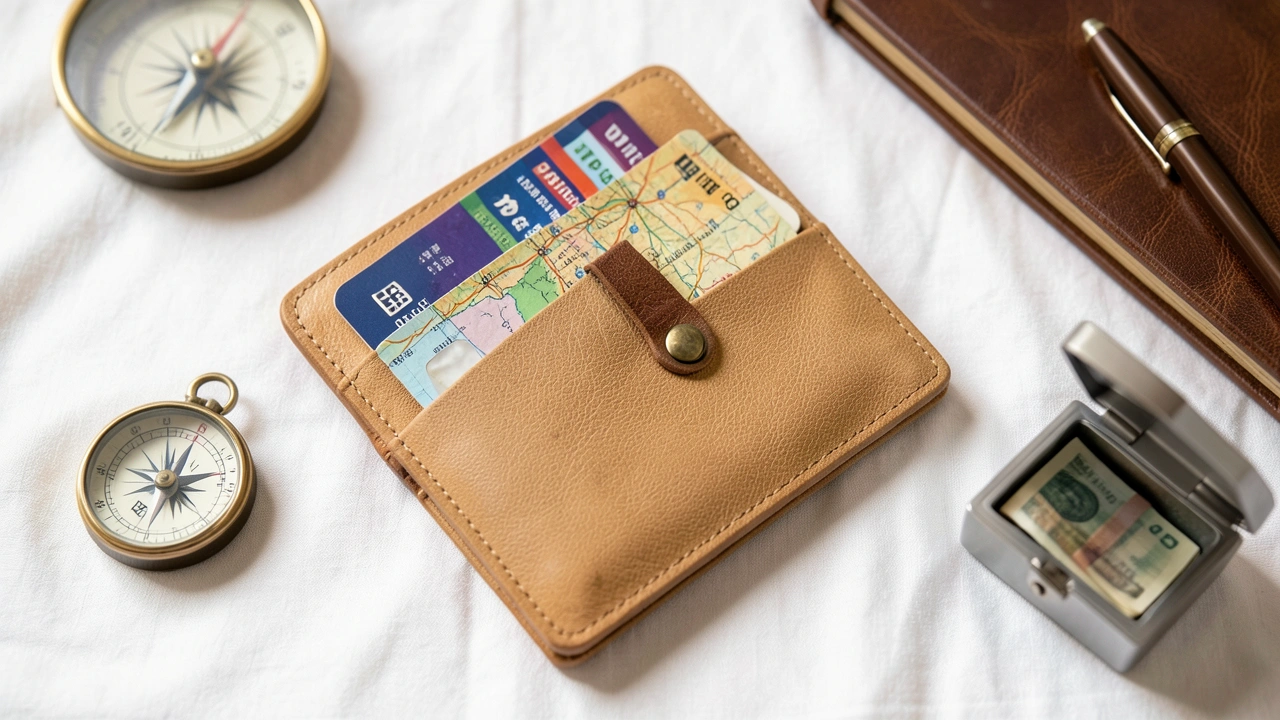
Keeping Your Documents Safe
Once you have all your necessary documents, the next big step is keeping them safe. Losing important papers can turn a fun trip into a stressful ordeal. Having a plan for security is just as important as knowing what to bring.
Secure Storage Methods
Choosing the right way to store your documents depends on your personal preference and the type of travel you’re doing. Some people like to keep everything on their phone, while others prefer physical copies.
- Digital Copies: Many people find it easiest to store digital copies of their important documents. You can take photos or scan them and save them to your phone, a cloud service (like Google Drive or Dropbox), or email them to yourself. This way, even if you lose your physical wallet, you still have access to your information. For example, you can store a picture of your driver’s license in a secure album on your phone.
- Physical Copies: For essential items like your driver’s license or passport, keeping them in a secure physical location is vital. A travel wallet or a money belt that you wear under your clothes is a good option. This makes it harder for someone to take them without you noticing.
- Hotel Safes: When you’re not actively using them, store valuable documents like your passport in your hotel safe. This protects them from theft while you’re out exploring. Just remember to take them with you when you check out!
The goal is to have multiple ways to access your important information. This reduces the risk of being stranded without proper identification or confirmation of your travel plans.
What to Do If Documents Are Lost or Stolen
It’s unfortunate, but sometimes things go missing. Knowing what to do if your documents are lost or stolen can save you a lot of trouble.
If you lose your driver’s license or state ID, you’ll need to contact the Department of Motor Vehicles (DMV) in the state that issued it. They can guide you on how to get a replacement. If your U.S.
passport is lost or stolen, you must report it immediately to the U.S. Department of State. You will then need to apply for a replacement passport.
For other important documents like credit cards or booking confirmations, having a record of them helps. You can often re-book flights or hotels by calling the company directly. Having account numbers and confirmation codes readily available makes this process much faster.
Reporting Lost Identification
Prompt reporting is crucial. This helps prevent anyone from using your lost or stolen ID for fraudulent purposes. It also starts the process of getting your replacement documents issued.
- Report to Authorities: If your documents were stolen, file a police report. This report can be useful when you apply for
- Contact Issuing Agencies: As mentioned, contact the agency that issued the document (DMV, State Department, etc.). They will have specific procedures for replacement.
- Notify Financial Institutions: If credit or debit cards were lost or stolen, inform your bank immediately to cancel them and prevent unauthorized transactions.
Being prepared for the worst can significantly reduce the stress if something unexpected happens. Having these steps in mind means you can react quickly and effectively.
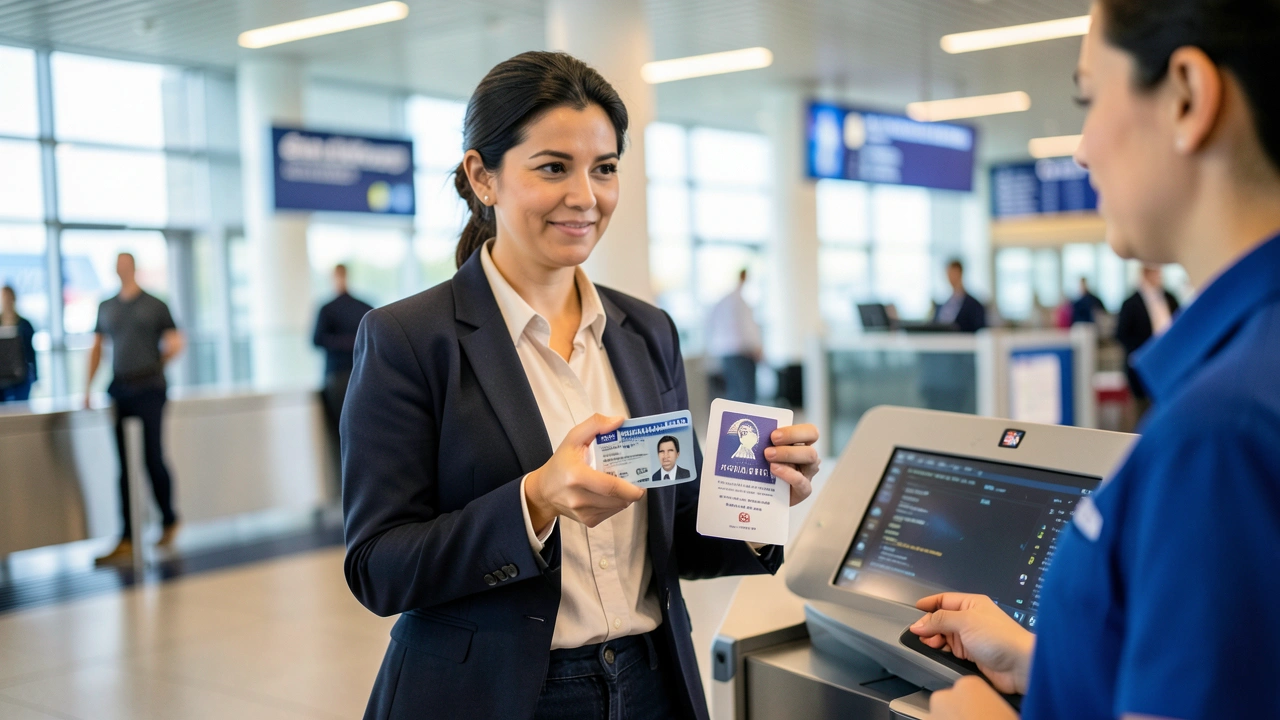
Documentation for Air Travel Specifics
Air travel has its own set of rules, and having the right documents is paramount for getting through security and boarding your flight. The TSA is very clear about what they need to see.
TSA Approved Identification
The TSA’s primary concern is verifying your identity. They use your ID to match you to your boarding pass. This ensures that only the person with the ticket gets through security.
As mentioned earlier, a valid driver’s license, state ID card, U.S. passport, or U.S. passport card are all acceptable.
The key requirements are that the ID must be current (not expired), have your photograph, and contain your full name. It also needs to be issued by a government authority.
How TSA Verifies Your Identity
At the security checkpoint, a TSA officer will visually inspect your ID. They will compare the photo on the ID to your face. They also check that the name on your ID matches the name on your boarding pass.
Sometimes, they might use technology to scan the ID’s security features.
A recent statistic from the TSA indicates that millions of travelers pass through checkpoints daily. In 2023, the TSA screened over 2.9 billion passengers. This highlights the sheer volume of people and the importance of efficient, secure identification processes.
Their system is designed to be fast but thorough.
If you have a Real ID-compliant driver’s license, it might have a star symbol on it. These are specifically designed to meet higher security standards. Starting in May 2025, a Real ID will be required for all domestic commercial flights unless you use another acceptable form of ID like a passport.
- Real ID Compliance: Many states now issue driver’s licenses and ID cards that are compliant with the federal Real ID Act. These cards have a special indicator, usually a star. They represent a higher standard of identity verification.
- Non-Compliant IDs: If your ID is not Real ID-compliant, you can still use it until the enforcement deadline. After that, you will need to use an alternative form of identification if your state’s ID is not updated.
- Using Your Passport: A U.S. passport is always a safe bet. It’s considered one of the most secure forms of identification and is always accepted by the TSA. Many travelers prefer using their passport for its universal acceptance and security features.
Boarding Passes and Travel Documents
Your boarding pass is your ticket to get through the gate and onto the plane. It contains your flight information, seat number, and often a barcode or QR code that the airline scans.
You can usually get your boarding pass through your airline’s mobile app, as a printable PDF from their website, or at the airline’s check-in counter. For domestic flights, having your boarding pass accessible on your phone is very common and convenient. However, some travelers still prefer a printed copy as a backup.
Airlines typically scan your boarding pass multiple times: once at the gate, and again before you board the plane. This ensures everyone who boards is authorized and on the correct flight. It’s a critical part of the boarding process, preventing mix-ups and ensuring passenger manifests are accurate.
A sample scenario for air travel might look like this:
- Arrive at the airport at least 2 hours before your domestic flight.
- Have your government-issued photo ID and your boarding pass ready.
- Proceed to the TSA security checkpoint.
- Present your ID and boarding pass to the TSA officer.
- Once through security, head to your gate.
- Have your boarding pass ready for scanning at the gate.
- Present your boarding pass again to the flight attendant before boarding.

Documents for Other Forms of Travel
Traveling within the U.S. isn’t just about flying. Many people travel by car, train, or bus.
The document requirements can vary slightly for these methods.
Car Travel
If you’re driving your own car, the main documents you need are your driver’s license and vehicle registration. If you’re renting a car, you’ll need your driver’s license and the rental agreement.
Police officers can stop vehicles for traffic violations. In such cases, they will ask for your driver’s license and proof of insurance. It’s important to have these readily available in your vehicle.
The registration confirms the car is legally allowed on the road, and your license shows you’re legally permitted to drive.
- Driver’s License: This is essential for operating any motor vehicle. It’s your primary proof of identity and driving eligibility.
- Vehicle Registration: This document proves that the vehicle is registered with the state. It includes details like the vehicle’s make, model, and owner’s information.
- Proof of Insurance: Car insurance is legally required in most states. You need to carry proof that your vehicle is insured. This usually comes in the form of an insurance card.
- Rental Agreement: If you’re driving a rental car, you must have the rental agreement with you. This document outlines the terms of your rental and who is authorized to drive the vehicle.
Having these documents in order ensures a smooth experience if you encounter law enforcement or need to present proof of ownership/authorization.
Train and Bus Travel
For train travel, especially with Amtrak, you’ll need your ticket and a form of identification. For bus travel, like Greyhound, it’s similar – you’ll need your ticket and sometimes an ID.
The conductor or driver will check your ticket to ensure you’re supposed to be on board. They may also ask for identification to match it with the ticket. This is to prevent fraud and ensure passenger safety.
While not always strictly enforced for every passenger on every trip, it’s always best practice to have them. Especially for longer journeys or if you’re traveling with someone else’s ticket (which is usually not allowed without proper authorization).
Ticket and ID Checks
On trains and buses, ticket inspections happen regularly. The staff needs to confirm that everyone has a valid ticket for their journey. For certain routes or passengers, they might also ask to see a photo ID.
A study by the American Public Transportation Association found that safety and security are top priorities for riders. Having clear identification procedures helps maintain this sense of security for everyone on board.
- Ticket: Whether it’s a printed ticket or a digital one on your phone, this is your proof of purchase and right to travel.
- Identification: A government-issued photo ID is usually sufficient. This could be your driver’s license, state ID, or passport.
- Reservation Details: For some services, having your reservation number handy can speed up the process, even if you have a digital ticket.
These documents ensure that your journey on trains and buses is as seamless as possible. They are part of the standard procedure to maintain order and security for all passengers.
Frequently Asked Questions
Question: What is the most important document to carry when traveling inside the USA?
Answer: The most important document is a valid, government-issued photo identification, such as a driver’s license, state ID card, or U.S. passport.
Question: Do I need my passport for domestic flights if I have a driver’s license?
Answer: No, you typically do not need your passport for domestic flights if you have a valid driver’s license or another acceptable government-issued photo ID.
Question: What if my driver’s license is expired?
Answer: An expired driver’s license is generally not accepted for travel. You will need to use another form of valid identification, such as a U.S. passport.
Question: Are photocopies of IDs accepted?
Answer: Generally, photocopies of identification are not accepted. You need to present the original, physical document.
Question: Can I travel inside the USA with just my student ID?
Answer: A student ID is usually not accepted as a primary form of identification for air travel or official purposes. You will need a government-issued photo ID.
Summary
Knowing What Documents to Carry When Traveling Inside the USA is straightforward. A government-issued photo ID like a driver’s license or passport is your main requirement. Keep digital or physical copies of bookings for easy access.
Protect your documents by using secure storage. With these simple steps, your domestic travel will be smooth and stress-free.