
Starting life in a new country can feel like a big adventure, and sometimes a little overwhelming. For those just arriving in the United States, the First Week in the USA: What New Immigrants Should Do can seem like a lot to figure out. Don’t worry, though!
We’ve got a simple plan to help you get settled. This guide will break things down into easy steps, covering what you need to know right away and what comes next to make your transition smooth and successful.
Key Takeaways
- Discover essential steps for your first days in the U.S.
- Learn how to get important documents sorted out quickly.
- Find out where to find helpful resources and support systems.
- Understand basic needs like housing and communication.
- Get practical tips for everyday life and cultural adjustment.
Getting Your Papers in Order
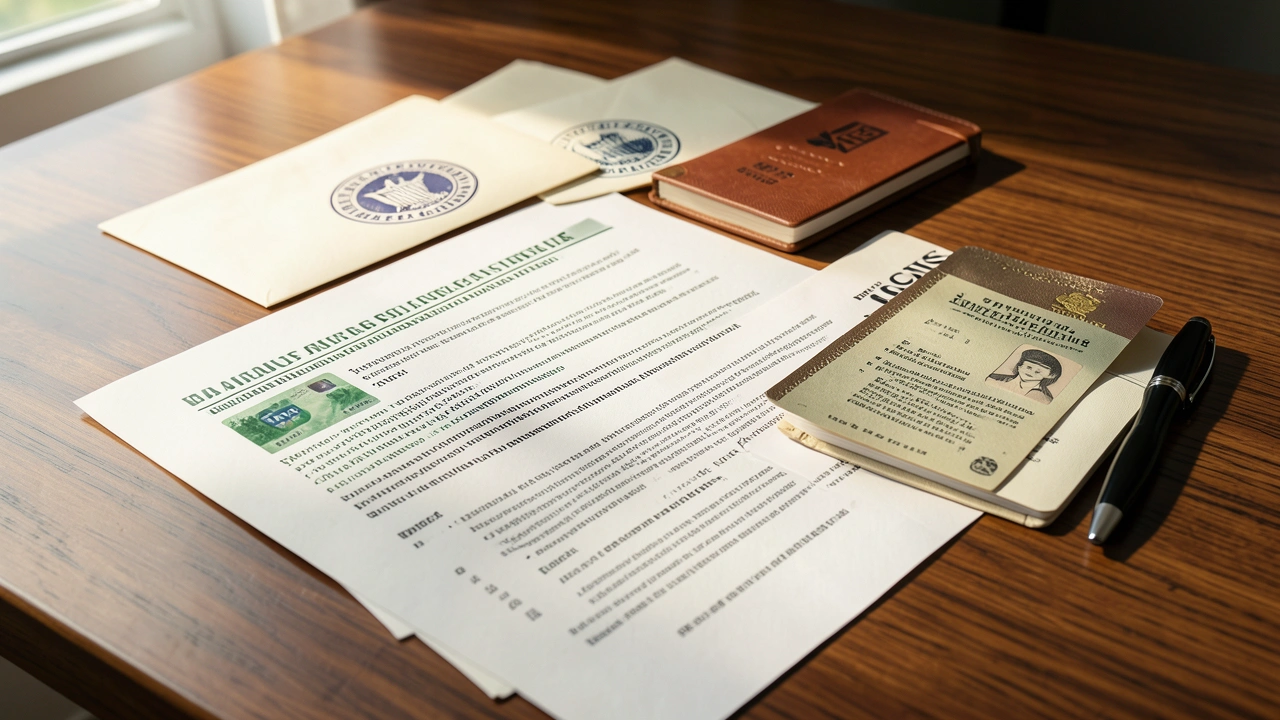
The very first things you’ll want to handle involve your official documents. These papers are key to many parts of your new life here. They prove who you are and what your rights are.
Making sure you have them all and understand what they mean is a super important step. This section will walk you through what you need to look for and how to keep them safe.
Identification Documents
Having the right ID is like having a key to many doors in the U.S. You’ll likely need several types of identification. The most common ones are your passport and your visa, which show your legal status.
You might also need an Individual Taxpayer Identification Number (ITIN) if you plan to work or file taxes before getting a Social Security number.
An ITIN is issued by the Internal Revenue Service (IRS). It’s for people who can’t get a Social Security number but still need to pay taxes. It looks a lot like a Social Security number but has a 9 in the first digit.
You can apply for it by mail or in person at an IRS Taxpayer Assistance Center.
Real-Life Example: Maria, who came to the U.S. to study, needed her passport and student visa to open a bank account. She also applied for an ITIN because she wanted to take a part-time job on campus.
Having these documents ready made her initial setup much easier.
Social Security Card
A Social Security card is vital for working legally and accessing many services. If you are authorized to work in the U.S., you should apply for one as soon as possible. The Social Security Administration (SSA) handles these applications.
You’ll need to provide proof of your identity, work authorization, and age.
The process can take a few weeks, so applying early is a good idea. The card itself has your unique Social Security number, which will be used for employment, taxes, and future benefits like retirement. Keep it in a safe place, as you’ll need it often.
- What you need for a Social Security card:
- Proof of identity: This could be your foreign passport, U.S. driver’s license, or state-issued ID.
- Proof of immigration status and work authorization: This usually means your visa, green card, or employment authorization document.
- Proof of age: Your birth certificate or passport is typically used for this.
The SSA website has a detailed list of accepted documents. You can also visit a local SSA office to get help with your application. Remember, there is no fee to apply for a Social Security card.
Driver’s License or State ID
Once you have your Social Security card, or sometimes even before depending on your immigration status, you might want to get a driver’s license or a state-issued identification card. These are very useful for everyday life, like renting an apartment, proving your age for certain purchases, or simply having a valid ID when you don’t have your passport.
Each state has its own Department of Motor Vehicles (DMV) or similar agency that issues these. The requirements vary by state. Some states may require you to have a Social Security number, while others may offer licenses or IDs to non-citizens with valid immigration status.
Scenario: You need to rent an apartment. The landlord asks for a government-issued ID and proof of income. Your passport and Social Security card will help with income verification if you have a job, but a driver’s license or state ID can serve as your primary identification.

Setting Up Your Living Space
Finding a place to live and making it feel like home is a big part of settling in. This can be one of the most challenging parts of arriving in a new country. We’ll cover how to look for housing, what you need to consider, and how to get connected to essential services.
Finding a Place to Stay
Your first few nights might be in temporary housing, like a hotel or with friends or family. After that, you’ll want to find a more permanent place. You can look for apartments or houses to rent.
Online platforms like Zillow, Apartments.com, and Craigslist are popular places to search.
When looking for a place, consider the location. Is it close to public transportation? Is it near your work or school?
What is the neighborhood like? Also, think about the cost. Rent can vary a lot depending on the city and the size of the place.
Many landlords will ask for a security deposit and the first month’s rent upfront.
Statistical Insight: The U.S. median rent for a one-bedroom apartment was around $1,370 in early 2023, but this number can be much higher in major cities like New York or San Francisco. It’s important to budget for rent and other living expenses.
Utilities and Services
Once you have a lease for an apartment or house, you’ll need to set up utilities. This includes electricity, gas, water, and internet. You’ll typically need to contact the service providers in your area to set up an account.
They might ask for your Social Security number or other forms of identification.
Internet is especially important for staying connected with family back home and for finding information. Many companies offer different internet plans, so compare prices and speeds. Setting up these services usually involves a deposit, especially if you don’t have a credit history in the U.S.
- Steps to set up utilities:
- Identify providers: Look up local companies for electricity, gas, water, and internet.
- Contact them: Call or visit their website to start a new service application.
- Provide information: Have your lease agreement and ID ready.
- Pay deposits: Be prepared for potential upfront fees.
It’s a good idea to have a list of contact numbers for utility companies ready. This will save you time and stress when you’re trying to get everything working.
Furnishing Your Home
After securing your living space, you’ll want to make it comfortable. You might need to buy furniture, kitchen supplies, and other household items. Stores like IKEA, Walmart, Target, and local furniture shops are great places to start.
You can also find used items on Facebook Marketplace or at thrift stores, which can be a more affordable option.
Setting up a new home involves many small decisions. Think about what you truly need for your daily life. You don’t have to buy everything at once.
Start with the essentials and add other items as you settle in and discover what works best for you.
Connecting with the Community and Resources
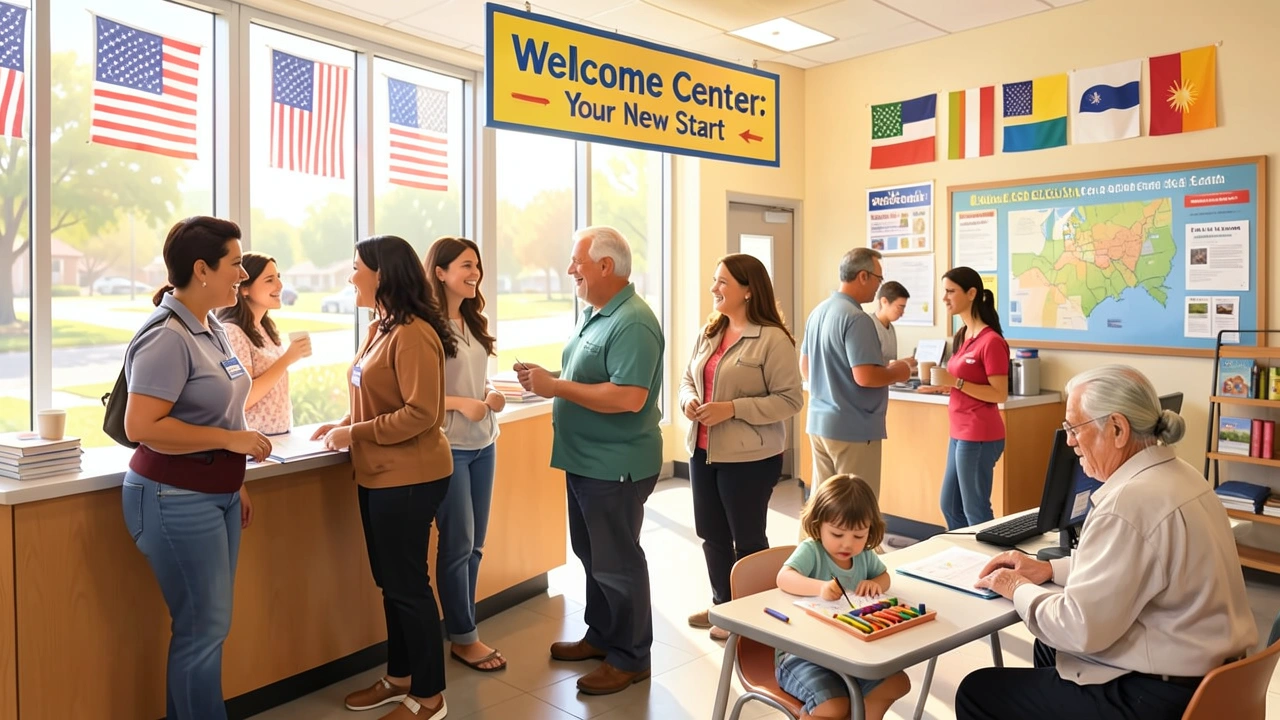
Feeling connected and knowing where to find help is crucial for a smooth transition. This part of the guide looks at how you can find support, build new relationships, and get help with language or other challenges you might face. Building a network will make your experience much richer.
Language and Cultural Adjustment
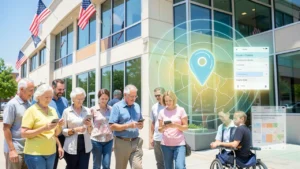
Learning English is a key part of living in the U.S. Many communities offer free or low-cost English classes. Libraries are also excellent resources for language learning materials.
Don’t be afraid to practice speaking English, even if you make mistakes. People are generally understanding and happy to help.
Cultural differences are normal when you move to a new country. Observe how people interact, learn about local customs, and be open to new experiences. Local community centers, cultural organizations, and even social media groups can offer insights into American culture and traditions.
Real-Life Example: Carlos joined a local community center’s conversation club. He practiced his English with other immigrants and Americans. This helped him feel more confident and made new friends who shared similar experiences.
Finding Support Networks
There are many organizations dedicated to helping new immigrants. These groups can provide assistance with legal matters, job searching, housing, and cultural orientation. Your local immigrant services office or a community center can often point you to these resources.
Connecting with people from your home country who are already in the U.S. can also be very helpful. They can share their experiences and offer practical advice.
Look for cultural associations or community groups related to your nationality.
- Where to find support:
- Immigrant and refugee resettlement agencies: These organizations offer comprehensive services.
- Community centers: Many host events and provide resources for newcomers.
- Libraries: They often have language classes and information about local services.
- Faith-based organizations: Many religious groups have programs to assist immigrants.
Don’t hesitate to reach out for help. These support systems are there to make your adjustment easier and more successful.
Healthcare Services
Understanding the healthcare system is important for your well-being. In the U.S., healthcare is primarily accessed through private insurance, employer-provided plans, or government programs like Medicare and Medicaid. If you are employed, your job might offer health insurance.
If you don’t have employer-provided insurance, you can explore options on the Health Insurance Marketplace during open enrollment periods. Clinics and community health centers often provide services on a sliding scale, meaning the cost is based on your income. It’s wise to understand your options for health insurance and medical care early on.
Scenario: You feel unwell. You first check if you have health insurance. If you do, you might call your insurance provider for a list of doctors or clinics they cover.
If not, you would look for a local community health clinic that offers affordable care.
Everyday Life and Practicalities
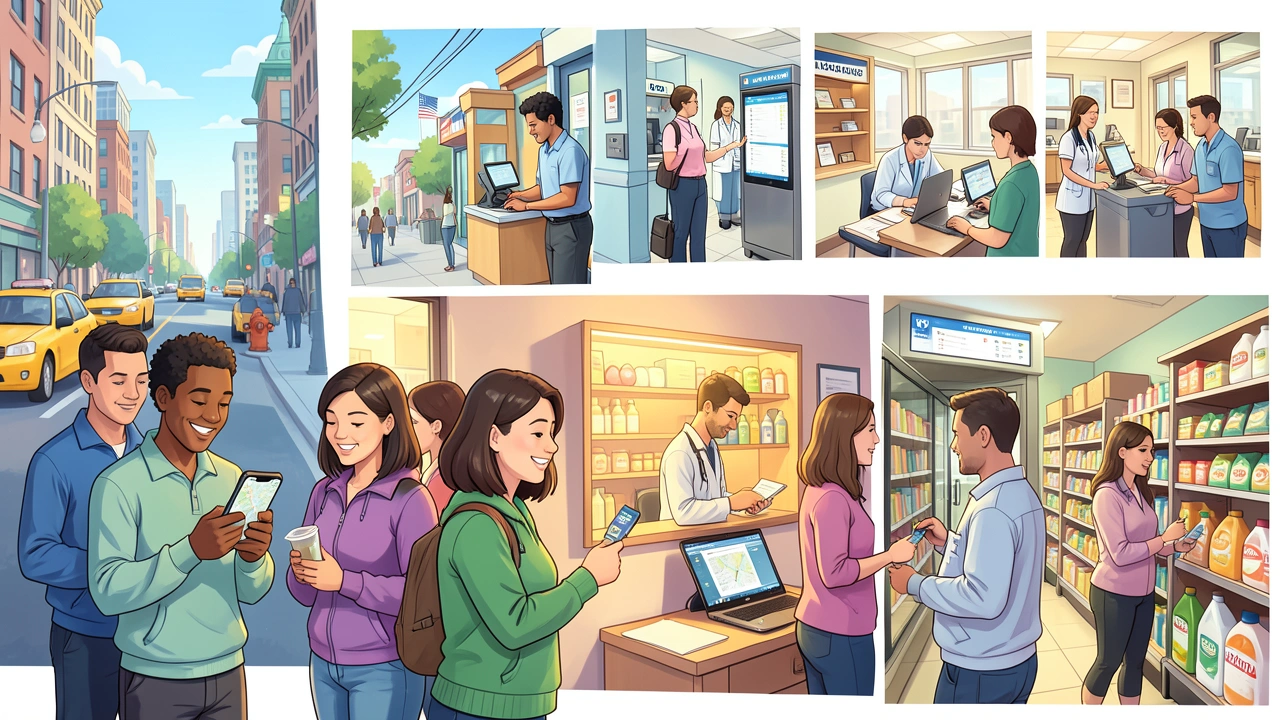
Getting a handle on daily life, like how to get around and manage your money, is essential. This section covers transportation, banking, and shopping, which are all key parts of settling into your new routine. Making these tasks manageable will help you feel more in control.
Transportation Options
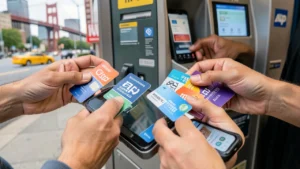
How you get around will depend on where you live. Many cities have public transportation systems, including buses, trains, and subways. These are often the most affordable way to travel.
Learning the routes and schedules is important.
If you plan to drive, you’ll need a driver’s license and car insurance. Owning a car can offer more freedom, but it also comes with costs like gas, maintenance, and parking. Ride-sharing services like Uber and Lyft are also widely available in most urban areas.
Statistical Insight: Public transportation usage varies significantly by city in the U.S. In cities like New York, about 55% of commuters use public transit, while in car-dependent cities like Houston, it’s closer to 5%.
Banking and Finances
Opening a bank account is one of the first financial steps you should take. You’ll need identification, such as a passport and possibly a Social Security number or ITIN, to open an account. Banks offer checking accounts for daily transactions and savings accounts for storing money.
Understanding credit is also important in the U.S. Building a good credit history can help you get loans, rent apartments, and even get better insurance rates. Using a credit card responsibly and paying your bills on time are key to building credit.
Many banks offer secured credit cards that require a deposit, which can be a good starting point.
- Steps for banking:
- Choose a bank: Research banks that have branches near you or offer good online services.
- Gather documents: Bring your ID, proof of address, and Social Security/ITIN.
- Open an account: Decide between checking, savings, or both.
- Learn about fees: Understand any monthly fees or transaction charges.
Managing your money wisely will give you financial stability as you adjust to life in the U.S.
Shopping and Groceries
Shopping for food and daily necessities is something you’ll do regularly. Grocery stores like Walmart, Target, Kroger, and Safeway are common. You can also find specialty stores that sell foods from different countries, which can be a comforting taste of home.
When shopping, pay attention to prices and look for sales or coupons. Many grocery stores have loyalty programs that can save you money. Understanding sales tax is also important; it’s an extra percentage added to the price of goods at the checkout counter, and it varies by state and city.
Scenario: You need to buy household supplies. You can go to a general store like Target or Walmart, which sells everything from food to cleaning supplies to basic furniture. For a wider selection of international foods, you might seek out a local ethnic grocery store.

Navigating Work and Education
If you are looking for employment or planning to study, this section will help you understand the pathways and requirements. Finding a job or enrolling in school are significant steps in building your future here.
Finding Employment
If you are authorized to work, finding a job is a top priority for many. You can search for jobs online through websites like Indeed, LinkedIn, and Monster. Local job fairs and community organizations can also connect you with employers.
It’s important to have a resume ready that highlights your skills and experience.
Many employers will require a Social Security number and proof of work authorization. If you are looking for entry-level positions, consider roles in retail, hospitality, or manufacturing. For professional roles, networking and tailoring your resume to specific job descriptions are key.
Statistical Insight: In 2022, the U.S. unemployment rate for foreign-born individuals was 4.1%, very close to the rate for native-born individuals (3.7%), indicating growing employment opportunities for immigrants.
Educational Opportunities
For those looking to continue their education, the U.S. offers a wide range of options, from community colleges to universities. You’ll need to meet admission requirements, which often include academic transcripts and English proficiency tests like TOEFL or IELTS if your previous education was not in English.
Community colleges offer associate degrees and certificates and can be a more affordable way to start higher education. Universities offer bachelor’s, master’s, and doctoral degrees. Many institutions also offer scholarships or financial aid specifically for international students or immigrants.
- Steps for higher education:
- Research programs and schools: Identify what you want to study and where.
- Check admission requirements: Understand the necessary documents and tests.
- Apply for admission: Submit your application by the deadlines.
- Explore financial aid: Look into scholarships, grants, and loans.
Pursuing education can open many doors for future career growth and personal development in the U.S.
Frequently Asked Questions
Question: What is the most important document to get first?
Answer: While several documents are important, obtaining your Social Security card is often a top priority if you are authorized to work, as it’s needed for employment and many other services.
Question: How can I find English classes?
Answer: Many local libraries, community centers, and non-profit organizations offer free or low-cost English as a Second Language (ESL) classes. You can often find information on their websites or by visiting in person.
Question: Is it hard to find a place to live?
Answer: Finding housing can vary in difficulty depending on the city and your budget. Online listings, real estate agents, and community resources can help you in your search.
Question: What should I do if I need medical help?
Answer: If you have health insurance, contact your provider for guidance. If you don’t, look for local community health clinics that offer services based on your income.
Question: How can I build credit in the U.S.?
Answer: You can start by opening a bank account, using a secured credit card responsibly, and paying all your bills on time. Lenders look for a consistent history of financial reliability.
Wrap Up
Your First Week in the USA: What New Immigrants Should Do is manageable with this guide. You can get your essential papers, find a safe place to live, and connect with resources. Focus on one step at a time.
You are capable of building a wonderful life here, and this plan helps you start strong.