

Getting your state ID might seem like a big task at first, but it’s really quite simple. Many people wonder How to Apply for a State ID in the USA because they’re not sure where to start or what they need. It’s totally normal to feel that way.
This guide will make it easy. We’ll walk through each step so you can get your ID without any hassle. Stick around, and we’ll show you exactly what to do next.
Key Takeaways
- You will learn what documents are typically needed.
- We will explain how to find your local DMV or equivalent office.
- You will discover how to fill out the application form correctly.
- This guide will cover what to expect during your visit to the office.
- You will find out how to get your photo taken and provide your signature.
- We will explain how to pay any required fees for your state ID.
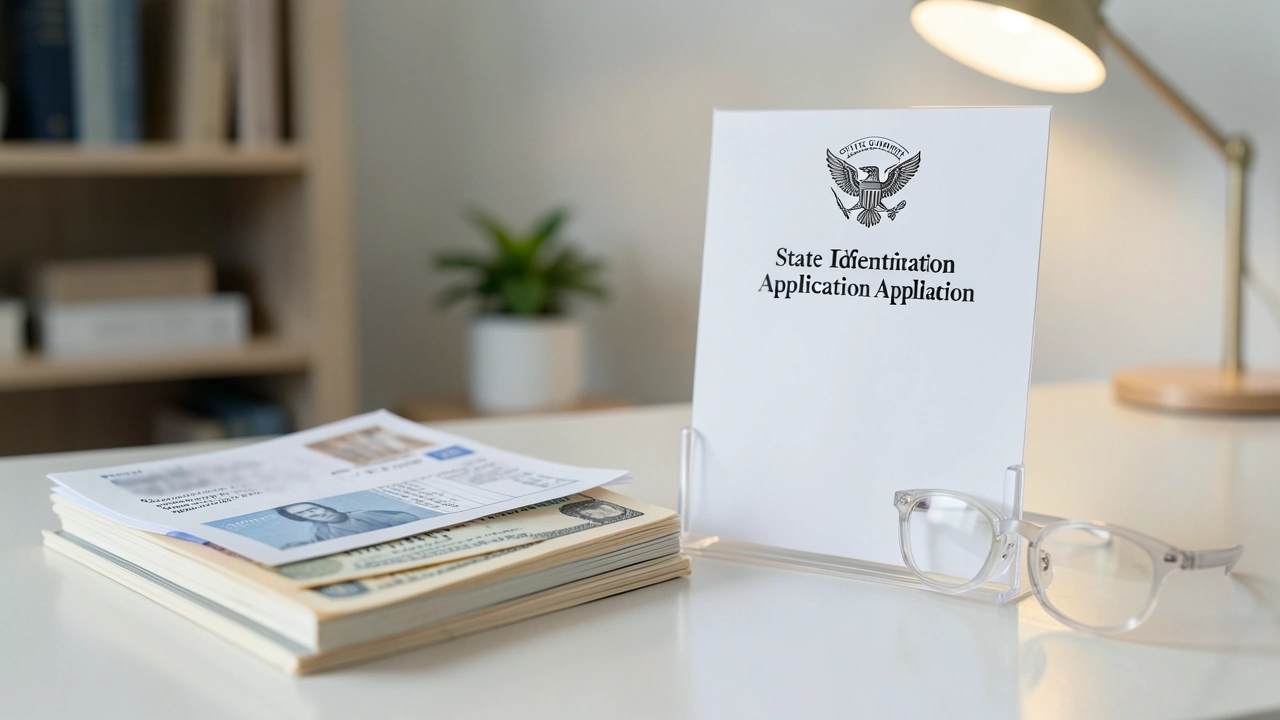
Understanding State ID Requirements
A state ID card is a vital form of identification for many situations. It proves who you are and where you live. You might need it for things like opening a bank account, picking up a prescription, or even just boarding a bus if you don’t have a driver’s license.
It’s like a key to many everyday activities. Knowing what you need before you go saves a lot of time and avoids a second trip.
The process for getting one is designed to be straightforward. Most states have similar requirements, but there can be small differences. This section will help you figure out the basic things you’ll likely need, no matter which state you are in.
We will cover the most common types of documents so you can be prepared.
Proof of Identity
To get a state ID, you first need to prove who you are. This usually means showing a document that has your name and a picture of you. A birth certificate is a very common and good document to use here.
It officially states your birth name and date. It’s a primary document that states trust. Make sure it’s an original or a certified copy.
Another good option is a U.S. passport. Passports are internationally recognized and contain all the necessary information to confirm your identity.
If you have one, it’s an excellent choice. Some states might also accept a foreign passport with a valid visa or entry stamp, but it’s best to check your specific state’s rules on this. The goal is to give them a document that clearly shows your legal name.
Proof of Social Security Number
Next, you’ll need to show proof of your Social Security number (SSN). This helps the state confirm your identity and prevents fraud. The most common document for this is your Social Security card.
It has your name and your unique SSN printed on it. It is important to have the physical card with you.
If you don’t have your original Social Security card, you can get a replacement from the Social Security Administration. However, this can take some time. In some cases, other documents might be accepted if they show your SSN.
This could include an award letter from Social Security or a W-2 form from an employer. Again, always check your state’s specific requirements to be sure.
Proof of Residency
Finally, you need to show that you live in the state where you are applying for the ID. This is called proof of residency. You usually need two different documents to show this.
These documents must have your name and your current home address on them. Utility bills are very common for this. Think about bills for electricity, water, gas, or even trash pickup.
Other documents that work well include a lease agreement for your apartment or house. Bank statements are also often accepted. Make sure the bills or statements are recent, usually within the last 60 days.
Post office boxes or P.O. Box addresses are generally not accepted for residency proof. They want to see a physical street address where you live.
This ensures you are a genuine resident of that state.

Finding Your Application Location
Once you know what documents you need, the next step is to find out where to go. Most states have a government agency that handles driver’s licenses and state IDs. This is usually called the Department of Motor Vehicles (DMV).
In some places, it might be called something else, like the Registry of Motor Vehicles (RMV) or the Motor Vehicle Administration (MVA). It’s good to know the correct name for your state.
The easiest way to find the right office is to search online. You can type ” DMV” into any search engine. This will usually lead you directly to the official state government website.
On the website, you can typically find a locator tool. This tool will help you find the office closest to your home. It often also shows the office hours and sometimes even allows you to make an appointment.
Scheduling an Appointment
In many states, you can schedule an appointment at the DMV or equivalent office. This is a really good idea, especially if you want to avoid long wait times. Appointments help manage the flow of people, so you can often get in and out much faster.
The state’s official website will tell you if appointments are needed or recommended.
When you book an appointment, make sure you write down the date and time. Also, note the address of the office. It’s a good practice to arrive a little early, maybe 10-15 minutes before your scheduled time.
This gives you a buffer and time to get settled. Bring all your required documents with you.
Walk-In Options
If your state doesn’t require appointments or if you can’t get one, you can usually walk in. Be prepared for longer waits during busy times. Popular days are often Mondays, Fridays, and the beginning of the month.
If possible, try to visit during the middle of the week and earlier in the day. This might mean shorter lines.
Some offices offer online check-in or virtual waiting rooms. This means you can get in line remotely and be notified when it’s almost your turn. This can save you from standing around for hours.
Always check the specific procedures for your local office.

Completing the Application Form
Before you go to the office, or sometimes at the office itself, you’ll need to fill out an application form. This form is used to gather all your personal information. It will ask for details like your full name, date of birth, and address.
Be sure to fill it out accurately and completely.
Using a pen is usually best. Blue or black ink is typically preferred. Make sure your handwriting is clear and easy to read.
If you make a mistake, don’t scribble over it. It’s often better to ask for a new form if possible. A messy application can sometimes cause delays or confusion.
Key Information Required
The application form will ask for several pieces of information. You’ll need your full legal name, as it appears on your identification documents. Your date of birth is also critical.
You’ll need to provide your current residential address, including your street, city, state, and zip code. This is where your ID will be mailed if it’s not given to you on the spot.
You will also be asked for your height and eye color. This information is used for identification purposes. Some applications might ask for your phone number and email address.
This is so the agency can contact you if they need more information or to send you updates. Be ready with all these details.
Tips for Filling Out the Form
Always read the instructions carefully before you start filling out the application. If you’re unsure about a question, ask for help. Don’t guess.
Most offices have staff available to assist you. It’s better to ask than to fill out something incorrectly. Double-check all the information you’ve entered before submitting it.
Make sure the name you write on the application matches exactly what’s on your proof of identity documents. Even small differences, like a middle initial versus a full middle name, can sometimes cause problems. Precision here is key to a smooth process.
Your Visit to the State ID Office
When you arrive at the DMV or equivalent office, you’ll typically go through a few steps. First, you’ll usually present your completed application form and your documents to a clerk. They will review everything to make sure it’s correct and that you have all you need.
This is your chance to ask any last-minute questions you might have.
After they approve your paperwork, you will likely be called to a different window or area for the next part of the process. This is where they will take your photo and record your signature. These will be printed on your state ID card.
Be prepared to follow their instructions for these steps.
Document Verification
The clerk will carefully check all the documents you brought. They want to make sure they are valid and that the information on them matches your application. This is a very important step to prevent identity theft and fraud.
They may ask you to confirm some details verbally.
It’s crucial to have original documents or certified copies. Photocopies are usually not accepted. If you’re unsure about a specific document, it’s always best to call the office ahead of time or check their website.
They can give you a definitive list of what they accept. Being over-prepared is always better than being under-prepared.
Taking Your Photo
You will also have your photograph taken for the ID card. You’ll usually stand in front of a backdrop. The camera will take a headshot.
Make sure you look directly at the camera. Try to have a neutral expression or a slight smile. Avoid wearing hats or sunglasses, as these are generally not allowed unless for religious reasons.
If you wear glasses for vision, you can usually keep them on, but the flash shouldn’t reflect off them.
The quality of the photo is important because it’s what identifies you on the card. It’s good to have neat hair and make sure your face is visible. This photo is what officials will look at to confirm your identity when you use your ID.
They want to be able to easily match the photo to your face.
Providing Your Signature
You will also need to provide your signature. This is typically done electronically on a small digital pad. The signature is also printed on your state ID card.
Just sign as you normally would. It doesn’t need to be a perfect autograph; a regular signature is fine.
Make sure your signature is clear and legible. This signature is used as another form of identification. It’s important that it’s recognizable.
If you have a signature that is very difficult to read, don’t worry too much. Just do your best to sign clearly. The state uses this as one of many verification tools.

Paying for Your State ID
There is usually a fee associated with getting a state ID. The cost varies from state to state. Some states might have a small fee, while others might have a slightly higher one.
The exact amount will be listed on the state’s official DMV website, and they will also tell you at the office.
It’s a good idea to check what payment methods are accepted before you go. Most offices accept cash, checks, and debit or credit cards. However, some smaller offices might only accept cash.
Knowing this in advance will save you from any surprises. You don’t want to get all the way through the process and then not be able to pay.
Fee Amounts
The fee for a state ID is generally quite reasonable. For example, in some states, it can range from $20 to $40. These fees help cover the costs of producing the ID cards, maintaining the system, and running the offices.
The money also supports road safety initiatives in many places. It’s a small price to pay for a crucial document.
Some individuals might qualify for a fee waiver. This often applies to seniors, low-income individuals, or those who have lost their ID due to specific circumstances like a natural disaster. You would typically need to provide documentation to prove your eligibility for a waiver.
Check with your local agency if you think this might apply to you.
Accepted Payment Methods
As mentioned, the most common payment methods are cash, checks, and debit/credit cards. It’s always wise to confirm the accepted forms of payment for your specific state’s Motor Vehicle agency. Some larger locations may have self-service kiosks that accept various card types.
If you plan to pay with a check, make sure it’s made out to the correct agency. The website or office staff can tell you the exact payee name. If you are paying with cash, try to bring the exact amount if possible, especially if you are at a smaller office that might not have much change on hand.
Using a credit or debit card is often the most convenient option for many people.

Getting Your State ID Card
Once all the steps are completed and payment is made, you will be told how you will receive your state ID card. In some cases, you might receive a temporary ID card on the spot. This temporary card is usually valid for a short period, like 30 or 60 days, and can be used as identification.
Your official, permanent state ID card will then be mailed to the address you provided on your application. This usually takes a few weeks to arrive, typically between 7 to 14 business days. It’s important to keep your temporary ID safe until your permanent one arrives.
Temporary vs. Permanent ID
The temporary ID is printed on paper and is easy to carry. It has your photo and basic information, making it useful for everyday needs while you wait for the official card. The permanent ID is a plastic card, similar to a driver’s license, and is more durable.
It contains all your information, a hologram for security, and a more secure magnetic strip or chip.
When your permanent ID arrives, compare it to your temporary ID and your documents one last time to ensure all information is correct. If there are any errors, contact the issuing agency immediately. It’s easier to correct mistakes when the card is new.
Report any issues right away to ensure your ID is accurate.
What to Do If Your ID Is Lost or Stolen
If your state ID is lost or stolen, you will need to go through a similar process to apply for a replacement. You will likely need to fill out another application form and provide proof of identity and residency again. There will also be a fee for a replacement ID.
It’s important to report a lost or stolen ID to the issuing agency as soon as possible. This helps prevent anyone from using your identity fraudulently. The agency can then deactivate the old card.
They can also provide you with information on how to get a new one quickly. Many states have online portals where you can report lost or stolen IDs and begin the replacement process.
Frequently Asked Questions
Question: How long does it take to get a state ID?
Answer: You will usually receive a temporary ID on the spot, which is valid for a short time. Your permanent plastic ID card will be mailed to you within about 7 to 14 business days after your visit.
Question: Can I use a utility bill from my roommate?
Answer: Typically, proof of residency needs to be in your name. So, a utility bill from a roommate might not be accepted unless your name is also on it. You would need bills that show your name and address.
Question: What if I don’t have a Social Security card?
Answer: If you don’t have your Social Security card, you can usually use other official documents that show your SSN, like a W-2 form or an SSA-1099 form. You can also request a replacement Social Security card from the Social Security Administration, but this can take time.
Question: Do I need to make an appointment to get a state ID?
Answer: It depends on the state and the specific office. Many states recommend or require appointments to reduce wait times. Check your state’s DMV website to see if appointments are needed or available.
Question: Can I get a state ID if I am not a U.S. citizen?
Answer: Yes, many states issue state IDs to non-U.S. citizens who are legal residents. You will need to provide proof of your legal status in the U.S., such as a visa, green card, or work permit, along with other required documents.
Wrap Up
Applying for a state ID in the USA is a straightforward process. By gathering the right documents, finding your local office, and filling out the form correctly, you can get your ID smoothly. Remember to bring your proof of identity, Social Security number, and residency.
A visit to the office usually includes document review, a photo, and payment. Soon, you’ll have your official state ID in hand.