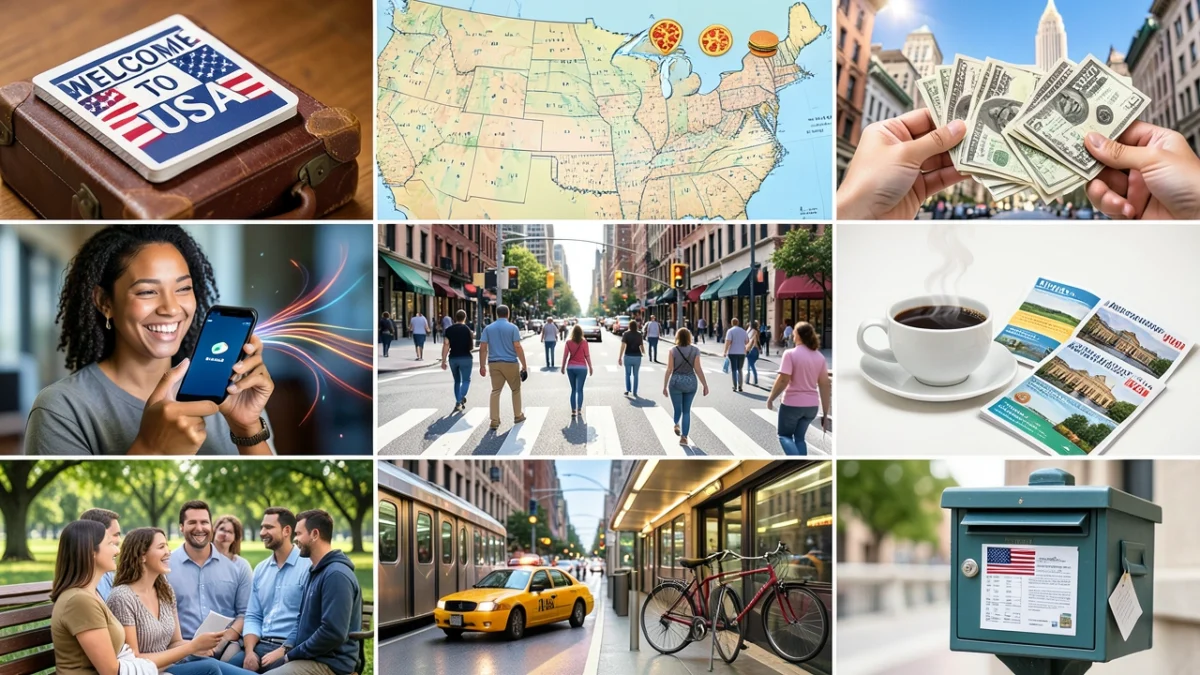
Getting to a new country can feel like a lot, especially when you have a big list of things to do. The idea of 10 Things You Must Do Immediately After Arriving in the USA might seem a little overwhelming at first, like trying to juggle too many balls at once. But don’t worry!
We’ve broken it all down into simple steps. Think of this as your friendly guide to getting settled smoothly. We’ll cover everything you need to know so you can start enjoying your new surroundings right away.
Ready to see what’s next?
Key Takeaways
- You’ll learn about setting up essential communication tools upon arrival.
- Discover how to handle your initial transportation needs effectively.
- Understand the basics of opening a bank account for your finances.
- Get tips on finding local resources and support systems.
- Learn about important legal and identification steps to take early.
- Find out how to connect with your new community and explore your surroundings.
Getting Your Communication Set Up
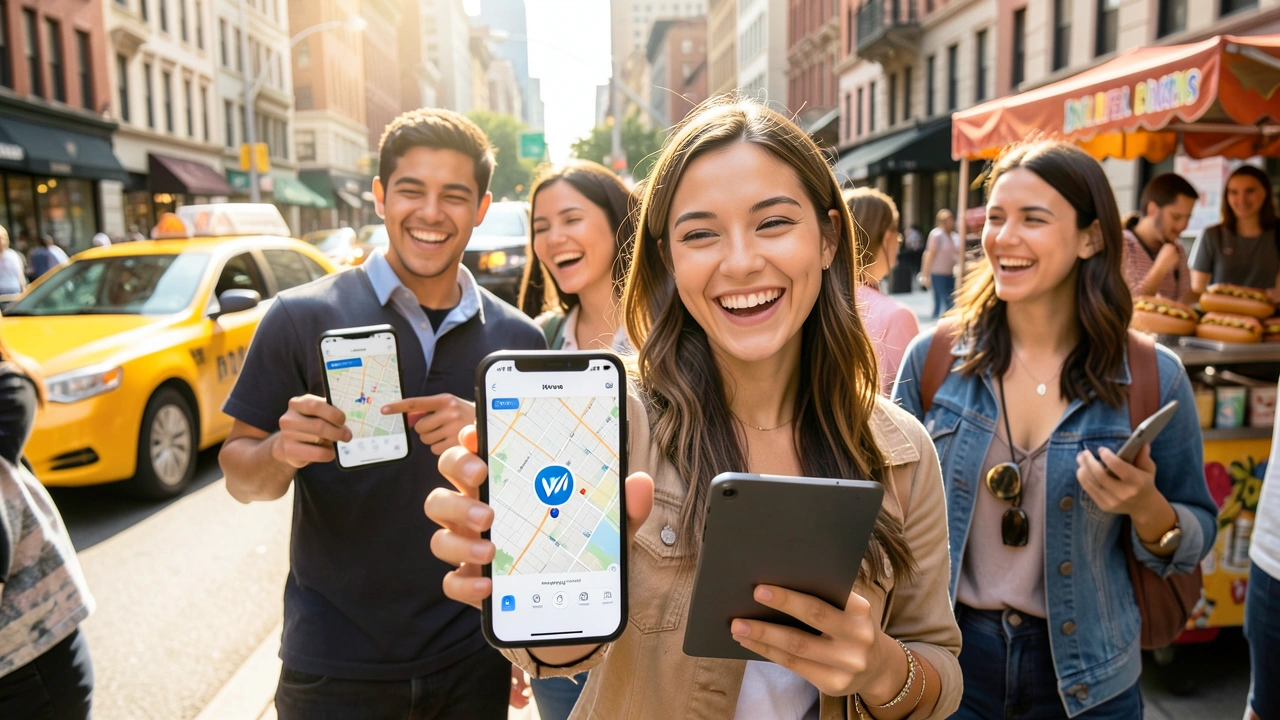
When you first land in the United States, one of the most important things you’ll want to do is make sure you can talk to people and access information easily. This means getting a phone and internet access sorted out quickly. Having a working phone allows you to call for help, connect with new friends or family, and stay in touch.
It’s also your gateway to finding directions, looking up information about your new area, and even applying for jobs.
Choosing a Mobile Plan
Picking a mobile plan is a key step. Many companies offer plans for new residents. You can often get a prepaid plan to start, which doesn’t require a long contract.
This gives you flexibility as you figure out your long-term needs. Look for plans that include unlimited talk and text, and a good amount of data for internet use on your phone. Some companies have stores right near airports or in major shopping areas, making it convenient to visit them soon after you arrive.
For example, if you choose a prepaid plan from a company like T-Mobile or AT&T, you can often buy a SIM card and activate it right in the store. This process usually takes less than an hour. You’ll need to provide some basic identification, like your passport, and then you can pick a plan that fits your budget and usage needs.
Many of these plans also come with international calling options, which can be helpful if you want to stay in touch with people back home.
- Understand different mobile carriers: Major carriers like Verizon, AT&T, and T-Mobile have wide coverage. Smaller carriers, often called Mobile Virtual Network Operators (MVNOs) like Mint Mobile or Visible, might offer cheaper plans by using the networks of the larger ones.
- Prepaid vs. Contract plans: Prepaid plans are great for short-term needs or if you want to control your spending. You pay upfront for a set amount of service. Contract plans usually offer more features and better phone deals, but they tie you in for a year or two.
- Data needs: Think about how much internet you’ll use on your phone. If you plan to stream videos, use GPS a lot, or video call often, you’ll need a plan with more data.
Accessing Internet at Home
Once you have a place to live, you’ll likely want home internet. This is essential for many things, from paying bills online to staying connected with loved ones and even for entertainment. Setting up internet usually involves choosing an Internet Service Provider (ISP) and scheduling an installation.
Some apartments may already have internet service included or pre-wired, which can save you time and effort.
When you look for an ISP, consider speed and price. Different providers offer various speed tiers, measured in megabits per second (Mbps). Higher speeds are better for multiple devices or streaming high-definition content.
You’ll also want to check for installation fees and monthly costs. Many ISPs offer special deals for new customers, so it’s worth shopping around.
- Research ISPs in your area: Websites like BroadbandNow or HighSpeedInternet.com can help you compare plans and prices from different providers in your specific neighborhood.
- Installation process: Most ISPs will need to send a technician to your home to set up the service. This appointment can take a few days to schedule, so it’s good to start the process as soon as you have a permanent address.
- Wi-Fi router: You’ll need a Wi-Fi router to create a wireless network in your home. Some ISPs include a router with their service, while others let you buy your own.

Sorting Out Your Finances
Handling money wisely is crucial when you arrive. This involves opening a bank account to manage your earnings and expenses, and understanding how to use banking services. Having a local bank account makes it easier to receive payments, pay bills, and build a financial history in the U.S.
Opening a Bank Account
Opening a bank account is a fairly straightforward process with most banks. You’ll typically need to provide identification, such as your passport, visa, and sometimes a second form of ID like a driver’s license or a utility bill with your name and address. Some banks might also ask for your Social Security number (SSN) or Individual Taxpayer Identification Number (ITIN).
If you don’t have an SSN yet, inquire about their policies for newcomers.
There are different types of accounts. A checking account is for everyday transactions, while a savings account is for putting money aside. Many banks offer accounts with no monthly fees if you maintain a minimum balance or meet certain requirements, like having direct deposit set up.
- Choose the right bank: Consider factors like branch locations, ATM availability, online banking features, and account fees. National banks like Chase, Bank of America, and Wells Fargo have a large presence. Local credit unions can also offer great service and competitive rates.
- Required documents: Gather your passport, visa, and any other government-issued ID. Proof of address, like a lease agreement or utility bill, is often needed. Your ITIN or SSN will be requested if you have one.
- Account types: A basic checking account is essential for daily use. A savings account helps you grow your money. Some banks offer student accounts or accounts specifically for new residents with fewer requirements.
For instance, let’s say you walk into a Chase bank branch. You would present your passport and visa to the bank teller or a personal banker. They would guide you through filling out an application form.
If you don’t have an SSN, they can explain if an ITIN is acceptable or if other documentation is needed for verification. After the application is approved, you’ll make an initial deposit, and they will issue you a debit card and checks.
Understanding Debit and Credit Cards
Debit cards let you spend money directly from your checking account. Credit cards allow you to borrow money from the bank, which you repay later. Building a credit history with credit cards is important for future financial opportunities, like renting an apartment or getting a loan.
However, it’s crucial to use credit responsibly by paying your balance in full each month to avoid interest charges.
For newcomers, getting a credit card can be challenging without a credit history. Some banks offer secured credit cards, where you deposit money upfront, and that deposit becomes your credit limit. This is a great way to start building credit.
- Debit card usage: Your debit card is linked to your checking account. When you use it, the money is immediately deducted. You can use it for purchases or withdraw cash from ATMs.
- Credit card basics: A credit card allows you to make purchases on credit. You receive a monthly statement detailing your spending, and you must pay at least the minimum amount by the due date. Paying the full balance avoids interest.
- Building credit: Start with a secured credit card if you’re new to credit. Use it for small, regular purchases and pay the balance on time. Over time, this will help you establish a good credit score.
Getting Around Safely and Efficiently
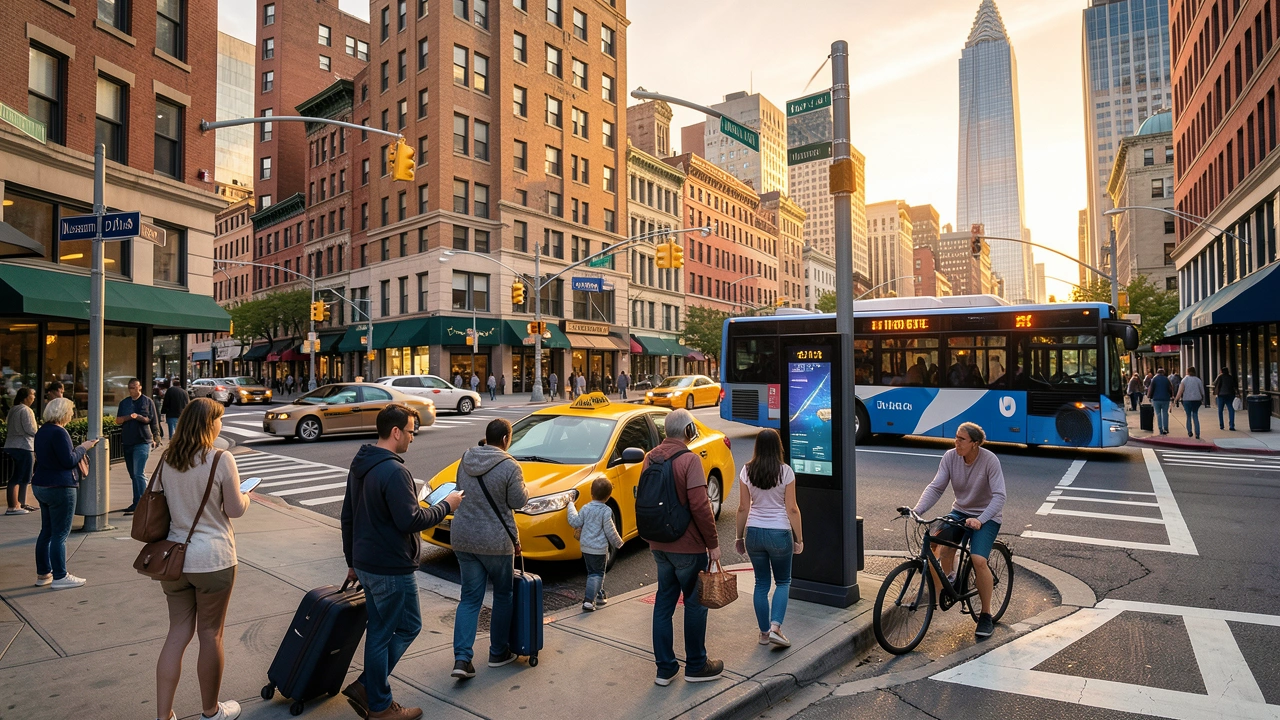
Figuring out how to travel in your new environment is vital. This includes understanding public transportation options, getting a driver’s license if you plan to drive, and knowing how to get around your local area.
Public Transportation Options
Many U.S. cities have public transportation systems, such as buses, subways, and light rail. These are often the most affordable way to get around, especially if you’re in a major metropolitan area.
You can usually purchase fare cards or pay with cash or a card when you board.
Learning the routes and schedules is key. Most transit agencies have websites or apps that provide real-time arrival information, route maps, and fare details. This makes planning your trips much easier and helps you get comfortable with the system.
- Identify available transit: Check if your city has buses, trains, or subways. Websites for local transit authorities are the best source for this information.
- Fares and passes: Understand the cost of a single ride and if weekly or monthly passes are available. These passes can save you money if you use public transport regularly.
- Using apps: Download transit apps like Transit or Citymapper. They can help you find the best routes, see when your bus or train will arrive, and even alert you when to get off.
Driver’s License and Vehicle Information
If you plan to drive, obtaining a U.S. driver’s license is a priority. The process varies by state, but generally involves passing a written knowledge test and a practical driving test.
You’ll need to visit your state’s Department of Motor Vehicles (DMV) or equivalent agency.
If you plan to buy a car, you’ll need to understand vehicle registration and insurance requirements. Car insurance is mandatory in all states. The cost of insurance can vary significantly based on your age, driving record, and the type of car you drive.
It’s wise to get quotes from multiple insurance companies.
- Driver’s license application: You’ll need to visit your local DMV. Bring your passport, visa, proof of residency, and any other required documents. You’ll typically need to pass a vision test, a written test on traffic laws, and a road test.
- Vehicle registration: Once you have a driver’s license and a vehicle, you must register it with the state. This involves paying fees and obtaining license plates.
- Car insurance: This is a legal requirement. You’ll need to show proof of insurance to register your car and to drive. Shop around for policies that offer good coverage at a reasonable price.
Securing Your Identity and Legal Status
Ensuring your documents are in order and that you understand your legal standing is paramount. This includes obtaining essential identification and being aware of basic legal rights and responsibilities.
Social Security Number (SSN) or ITIN
A Social Security Number (SSN) is a nine-digit number used to track your earnings and benefits. If you are authorized to work in the U.S., you can apply for an SSN at a Social Security Administration (SSA) office. If you are not eligible for an SSN but need a tax identification number, you can apply for an Individual Taxpayer Identification Number (ITIN) from the IRS.
Both an SSN and an ITIN are crucial for various aspects of life, including employment, banking, and filing taxes. Having one of these numbers simplifies many administrative tasks and helps you integrate more smoothly into the U.S. system.
- Eligibility for SSN: You generally need work authorization from the U.S. government to get an SSN. If you have a visa that permits employment, you can apply.
- Applying for an ITIN: If you do not have authorization to work in the U.S. but have U.S. tax obligations, you can apply for an ITIN. This is done through the Internal Revenue Service (IRS).
- Importance of SSN/ITIN: These numbers are vital for opening bank accounts, getting a driver’s license in some states, securing employment, and filing your taxes accurately.
Understanding Your Visa and Immigration Status
It’s important to know the details of your visa and immigration status. This includes understanding its expiration date, any restrictions it may have, and what steps you might need to take to extend it or change your status if necessary. Familiarize yourself with the U.S.
Citizenship and Immigration Services (USCIS) website for official information.
Knowing your rights and responsibilities as a resident or visitor is also important. This includes understanding basic laws and how to interact with authorities. If you have any doubts or concerns about your legal status, it’s always best to seek advice from a qualified immigration lawyer or a reputable immigrant assistance organization.
- Visa details: Keep a copy of your visa and any accompanying documents. Note the type of visa you have (e.g., student, work, tourist) and its validity period.
- USCIS resources: The official USCIS website (uscis.gov) is the primary source for information on immigration laws, forms, and procedures.
- Seeking legal advice: If you face complex immigration issues, consult with an immigration attorney. Many non-profit organizations also offer free or low-cost legal services for immigrants.

Connecting with Your New Community
Once your basic needs are met, it’s time to start building connections and exploring your surroundings. This helps you feel more at home and discover all that your new location has to offer.
Finding Local Resources and Services
Every community has resources to help new residents. This can include libraries, community centers, cultural organizations, and local government offices. Libraries, for example, often offer free internet access, English classes, and community events.
Look for local government websites or community boards that list services available to residents. These can provide information on everything from healthcare providers to local parks and recreational activities. Connecting with these resources can make your transition much smoother.
- Libraries: Public libraries are valuable hubs. They offer books, media, computer access, and often host workshops or social groups. Many have resources specifically for immigrants and English language learners.
- Community centers: These centers provide a space for social gatherings, classes, and events. They can be a great way to meet people in your neighborhood and learn about local activities.
- Local government: Your city or county website is a source of information about services like parks, recreation, public health, and social services.
Exploring Your Neighborhood and City
Take time to walk around your neighborhood. Discover local shops, parks, and restaurants. Understanding your immediate surroundings will help you feel more comfortable and confident.
Visit local attractions, attend community events, or join a club that aligns with your interests.
Exploring is also a great way to practice your English and learn more about American culture. Many cities have tourist information centers that can provide maps and suggestions for places to visit. Don’t be afraid to ask locals for recommendations.
For example, on a Saturday morning, you could visit a local farmer’s market. These markets are vibrant places where you can buy fresh produce, interact with vendors, and soak in the local atmosphere. You might discover unique foods or crafts and get a feel for the community’s spirit.
Many towns also have historical societies or museums that offer insights into the area’s past.
- Local events calendar: Check local newspapers, community websites, or social media for events happening in your area. This could include festivals, concerts, workshops, or sports games.
- Cultural immersion: Visit museums, art galleries, theaters, or attend cultural festivals. These experiences offer a deeper understanding of American culture and history.
- Join a club or group: Whether it’s a book club, a hiking group, or a sports league, joining a group based on your hobbies is an excellent way to meet like-minded people and make friends.
Navigating Healthcare and Emergencies
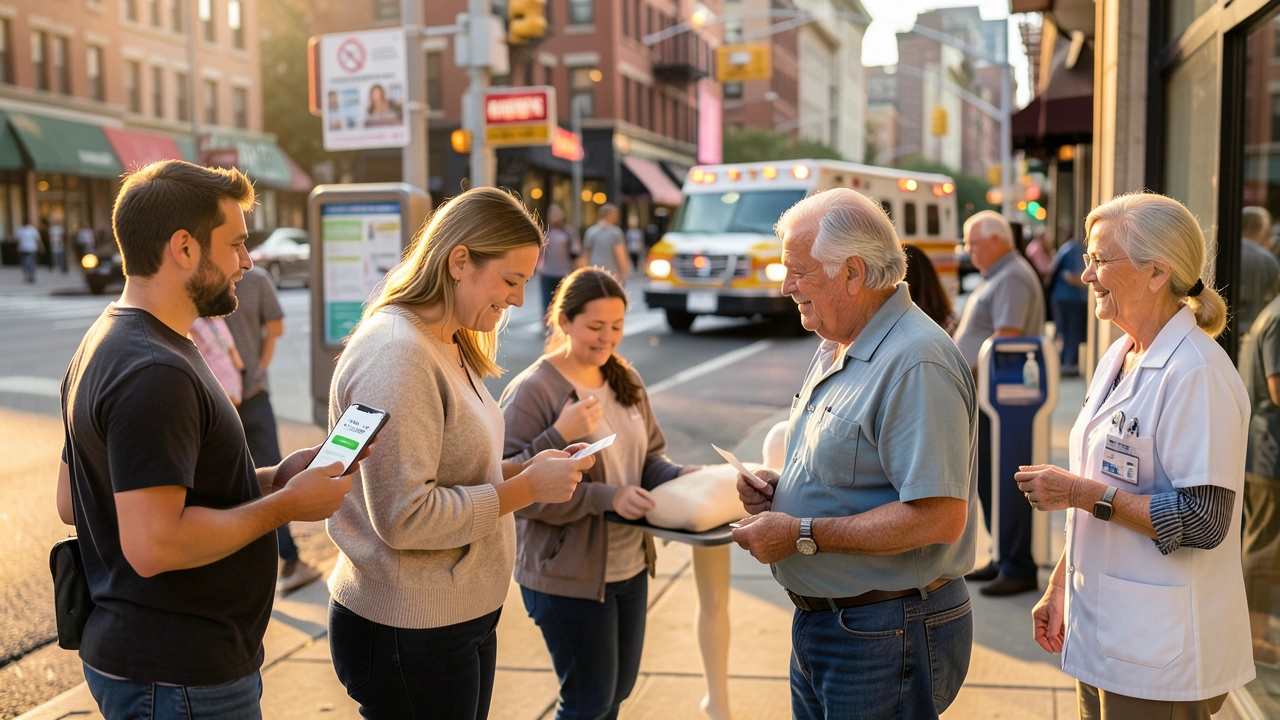
Understanding how to access healthcare and what to do in an emergency is vital for your well-being and peace of mind.
Accessing Healthcare Services
Healthcare in the U.S. can be complex and expensive. If you have health insurance through your employer or a purchased plan, familiarize yourself with your coverage details.
This includes finding in-network doctors and hospitals, understanding co-pays, and deductibles.
If you don’t have insurance, you may qualify for government programs or need to seek out community health clinics that offer services on a sliding fee scale based on income. It’s important to know where to go for medical needs, from routine check-ups to urgent care.
- Insurance details: If you have insurance, understand your policy. Know your deductible (the amount you pay before insurance kicks in), co-pays (a fixed amount you pay for services), and co-insurance (your percentage of costs after the deductible).
- Finding doctors: Your insurance provider’s website usually has a tool to find doctors and hospitals that are “in-network.” Seeing in-network providers typically costs less.
- Community health centers: For those without insurance or with limited coverage, community health centers provide affordable primary care, dental services, and mental health support.
Emergency Procedures
In the U.S., the emergency number for police, fire department, and ambulance services is 911. You should only call 911 for life-threatening emergencies or crimes in progress. Familiarize yourself with the location of the nearest hospital emergency room and urgent care centers in your area.
It’s also a good idea to have a list of important phone numbers readily accessible, including contacts for your embassy or consulate, your landlord, and any close friends or family members. Knowing these procedures can make a significant difference in critical situations.
- When to call 911: Use 911 for medical emergencies, fires, or serious crimes. Be prepared to give your location and describe the situation clearly.
- Non-emergency police: For non-urgent issues, like reporting a past minor crime or seeking advice, look for the non-emergency police number for your local department.
- Emergency contacts: Keep a list of essential phone numbers saved in your phone and perhaps a physical copy at home, including your landlord, employer, and any support networks.
Frequently Asked Questions
Question: What is the fastest way to get a phone plan after arriving?
Answer: Many major mobile carriers have stores near airports or in shopping centers. You can often walk in, show your passport and visa, and set up a prepaid plan on the spot. This usually takes about an hour.
Question: Do I need a Social Security Number to open a bank account?
Answer: Not always. Some banks allow you to open an account with just your passport and visa, especially if you can provide proof of address. However, having an SSN or ITIN can make the process smoother and is often required for certain account features.
Question: How do I find out about public transportation in my city?
Answer: The best way is to search online for ” public transportation” or ” transit authority.” Their website will have route maps, schedules, fare information, and often a trip planner tool.
Question: Is it hard to get a driver’s license as a newcomer?
Answer: It can take some effort, as you’ll need to study traffic laws and pass tests. The process involves a written test and a driving test. Requirements vary by state, so check your state’s Department of Motor Vehicles (DMV) website for specific details.
Question: Where can I find free or low-cost help if I have questions about my immigration status?
Answer: Look for non-profit organizations that provide immigrant services in your area. Many offer free or affordable legal advice, workshops, and resources for newcomers. Your local library or community center might also have information on these services.
Summary
Taking these initial steps after arriving in the USA sets you up for success. Getting your communication, finances, and transport sorted quickly makes settling in much easier. Remember to secure your identity and explore local resources.
You’ve got this!