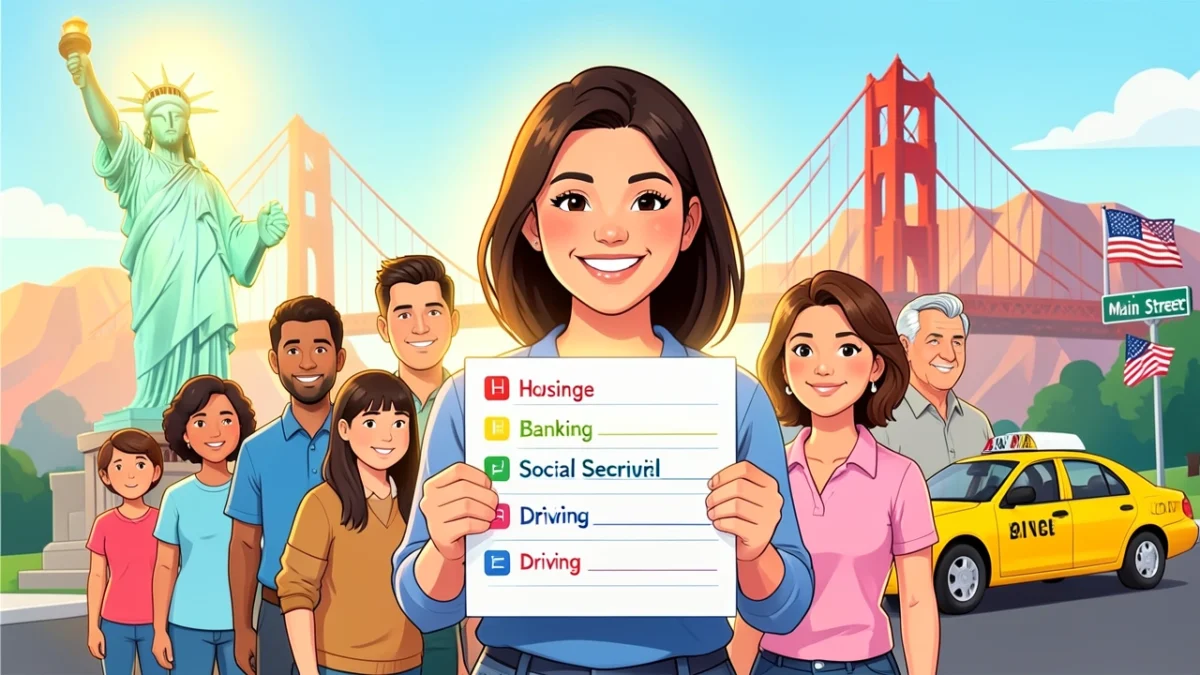
Moving to a new country is a big step! For anyone new to the United States, thinking about everything that needs to be done right away can feel overwhelming. That’s why the First 30 Days in the USA: Complete Checklist for New Immigrants is so important.
It helps break down all those big tasks into smaller, manageable steps. Don’t worry, we’ve got a simple plan to help you get settled quickly and smoothly. We’ll walk you through what to do first and how to handle each important item.
Key Takeaways
- Understand the essential documents you’ll need upon arrival.
- Learn how to secure housing that fits your needs and budget.
- Discover the steps for opening a bank account and managing finances.
- Find out how to get a phone and internet service set up.
- Learn about important healthcare access and insurance options.
- Get ready for finding work or continuing your education.
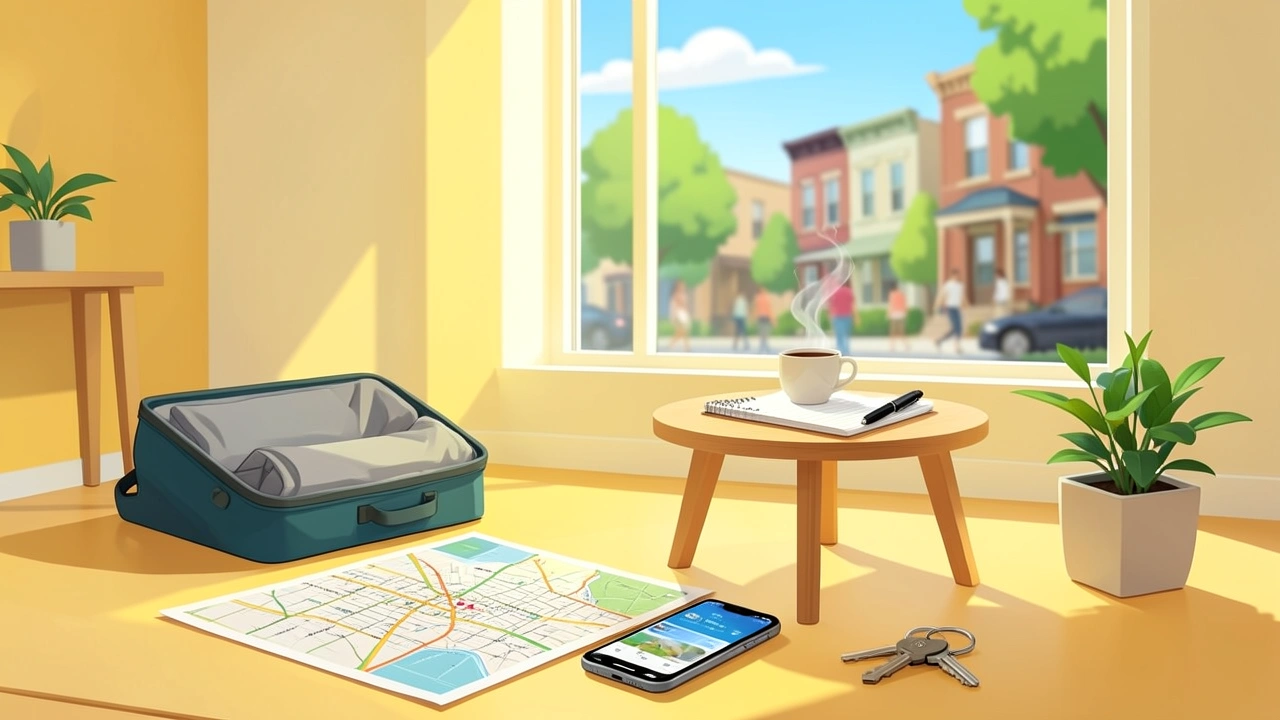
Your First Few Days: Getting Settled In
These initial days are all about getting your immediate needs met and feeling more secure in your new surroundings. It’s about creating a sense of home, even if it’s temporary. Think of it as building the foundation for your new life here.
We’ll cover the absolute must-dos that will make your transition smoother.
Essential Documents and Identification
Having the right papers is key when you arrive. This includes your visa, passport, and any other official documents that allowed you to enter the country. You’ll need these for many things you do in the first few weeks.
Keeping them safe and accessible is a top priority.
- Passport and Visa: Make sure these are current and readily available. They are your proof of legal entry and status. You’ll need them to apply for many services.
- Immigration Documents: Any paperwork from your immigration process, like your green card application confirmation or I-94 form, is vital. Keep these in a secure place.
- Birth Certificate: While not always needed immediately, having a certified copy can be useful for various applications later.
For example, imagine you need to rent an apartment. The landlord will definitely ask for identification and proof of your right to live and work in the US. Without these documents, you might face delays or be unable to secure housing.
Having them ready means you can move forward with confidence. A study by the New American Economy found that immigrants who have their proper documentation are more likely to find stable employment and integrate faster into the economy. This highlights how important these initial steps are for long-term success.
Securing Temporary or Permanent Housing
Finding a place to live is one of the biggest tasks. Whether you’re looking for a short-term stay or a more permanent home, understanding the housing market and your options is important. This section will guide you through the process.
- Temporary Accommodation: Many people start with a short-term solution like a hotel, Airbnb, or staying with friends or family. This gives you time to look for something more permanent without rush.
- Rental Market Basics: Learn about lease agreements, security deposits, and what to look for in a rental property. Understanding these terms will protect you from misunderstandings.
- Finding a Place: Explore different ways to search for apartments or houses, such as online listings, real estate agents, or local advertisements.
Let’s consider a scenario: Sarah arrived in New York with her family. They had booked a hotel for the first week. During that week, they used websites like Zillow and StreetEasy to find apartments.
They also reached out to a local real estate agent who helped them understand the neighborhoods and the application process. By the end of their first week, they had viewed several apartments and were able to sign a lease for a place in Brooklyn. This proactive approach, combining online research with local help, allowed them to settle into a new home quickly.
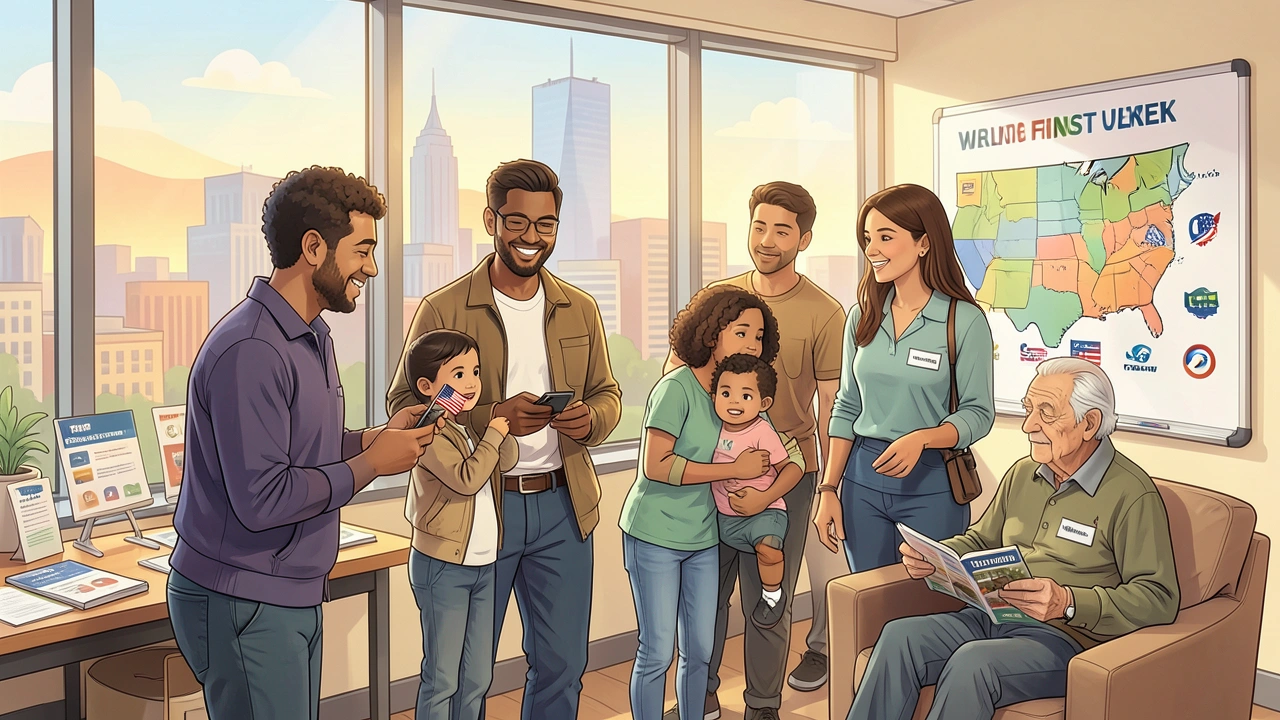
Your First Week: Connecting and Essential Services
Once you have a roof over your head, the next priority is to connect with the essential services that will help you live comfortably and independently. This means getting a phone, setting up a bank account, and starting to think about how you’ll manage your money and communicate with others.
Getting a Mobile Phone and Plan
A mobile phone is essential for communication, finding information, and staying in touch with loved ones. Setting up a plan is usually straightforward.
- Choosing a Provider: Research major carriers like Verizon, AT&T, and T-Mobile, as well as smaller companies. Compare their plans based on data, talk, and text.
- Understanding Plans: You’ll find options like prepaid plans, which require no contract, and monthly plans that often come with more features.
- What You’ll Need: Typically, you’ll need a valid ID and a way to pay for the service. Some plans might require a credit check or a deposit.
For instance, Maria needed a phone right away to contact potential employers. She visited a T-Mobile store with her passport. She chose a prepaid plan because she didn’t have a credit history yet.
The process took less than an hour, and she was able to get a new SIM card and start making calls immediately. This allowed her to arrange job interviews within her first few days of arrival.
Opening a Bank Account
Having a bank account is crucial for managing your money safely. It allows you to deposit checks, pay bills, and access cash easily.
- Why It’s Important: Banks provide a secure place for your money, and a bank account is often needed for other services like getting a job or renting an apartment.
- Choosing a Bank: Consider major national banks, local credit unions, or online-only banks. Think about fees, ATM access, and online banking features.
- What to Bring: You will usually need identification (passport, driver’s license) and proof of your address. Some banks may require an initial deposit.
When you open an account, the bank teller will explain the different types of accounts, like checking and savings. A checking account is for everyday transactions, while a savings account helps you set money aside. They will also give you an account number and routing number, which you’ll need for direct deposits from an employer or to set up automatic bill payments.
It’s a simple process that opens many doors for managing your finances effectively.

First Two Weeks: Building Your Foundation
With your basic needs met, the next step is to focus on longer-term stability and well-being. This involves understanding your healthcare options and starting to think about your career or educational goals.
Accessing Healthcare and Insurance
Your health is paramount. Understanding the US healthcare system and how to get medical insurance is a key part of your first few weeks.
- Health Insurance Options: Explore employer-sponsored insurance, government programs like Medicaid or Medicare (if you qualify), and private health insurance plans.
- Finding Doctors and Hospitals: Learn how to find doctors, specialists, and hospitals in your network. Your insurance provider’s website is a good place to start.
- Urgent Care vs. Emergency Room: Understand when to use urgent care centers for non-life-threatening issues and when to go to the emergency room for serious conditions.
Imagine you feel unwell. If it’s a minor issue like a cold or a sprain, an urgent care clinic is often faster and cheaper than an emergency room. However, for serious problems like chest pain or a broken bone, the emergency room is necessary.
Knowing the difference can save you time and money. The US healthcare system can be confusing, but getting basic insurance coverage is a vital step for peace of mind. According to the Kaiser Family Foundation, about 92% of non-elderly adults had health insurance in 2022, showing a high rate of coverage among the population.
Starting Your Job Search or Educational Pursuits
For many, finding employment or continuing education is a primary goal. This section helps you prepare for that next step.
- Resume Building: Learn how to create or adapt your resume to US standards. Focus on your skills and experiences.
- Job Search Strategies: Utilize online job boards, networking, and local employment centers. Understand interview etiquette and workplace culture.
- Educational Opportunities: If you plan to study, research schools, application processes, and admission requirements.
Let’s say you’re looking for a job. You’ll want to create a resume that highlights your skills and past work. Many immigrants find success by attending local workshops that help them understand US job application trends and interview techniques.
These workshops often provide practice interviews and feedback. For example, a survey by the National Association of Colleges and Employers found that employers highly value candidates with strong communication and problem-solving skills, so emphasize these on your resume and in interviews.
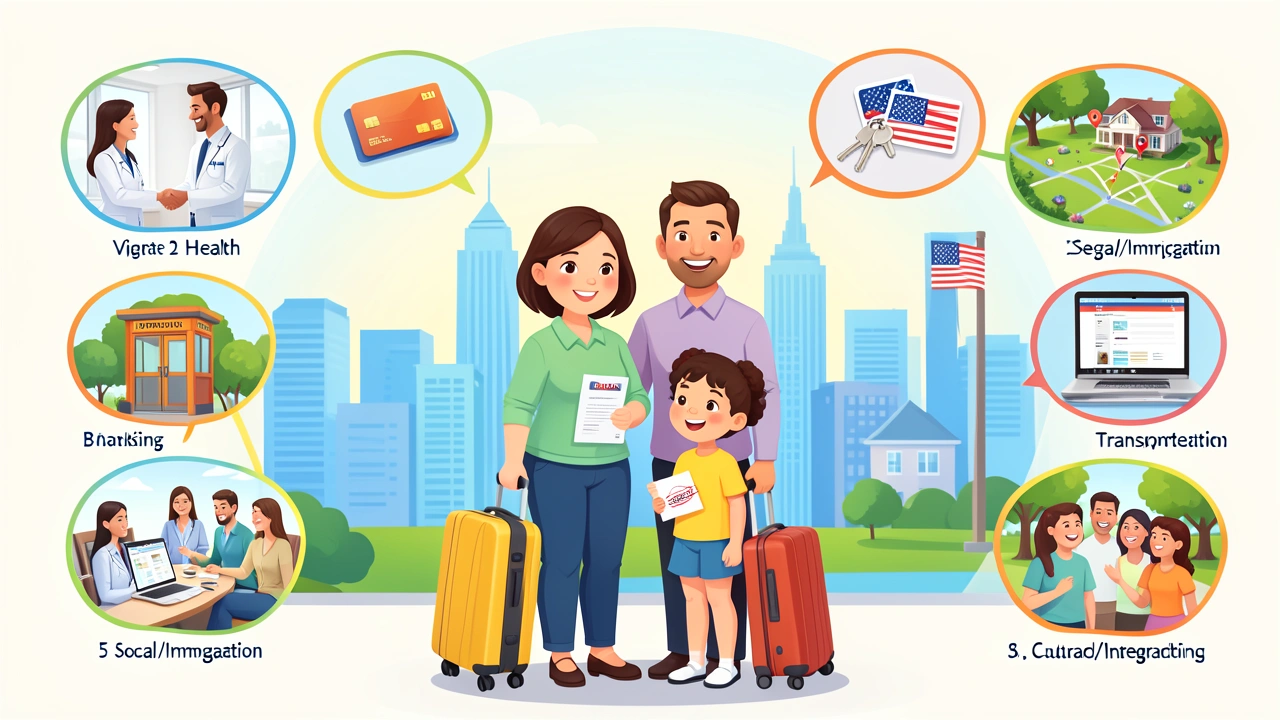
First Month: Integrating and Planning Ahead
As you move into your second half of the first 30 days, you’ll start to feel more comfortable and can focus on longer-term integration and planning. This includes understanding transportation, local resources, and building a community.
Understanding Transportation Options
Getting around is essential for daily life, whether it’s commuting to work, running errands, or exploring your new city.
- Public Transportation: Research bus, subway, or train systems in your area. Learn about fares, schedules, and how to get a transit pass.
- Driving and Car Ownership: If you plan to drive, understand the process for obtaining a driver’s license and registering a vehicle.
- Ride-Sharing Services: Apps like Uber and Lyft are common and offer convenient options for shorter trips.
For example, if you move to a city like Chicago, the ‘L’ train system is a primary way to get around downtown and many neighborhoods. Learning the different lines and how to read the maps will make your commute much easier. Alternatively, in a more spread-out city like Los Angeles, having a car or using ride-sharing services might be more practical.
Knowing your local options helps you budget your time and money effectively.
Connecting with Local Resources and Community
Building connections can make a big difference in how quickly you feel at home. There are many organizations that can help newcomers.
- Immigrant Support Services: Look for local non-profit organizations that offer assistance with legal advice, job placement, English classes, and cultural integration.
- Community Centers and Libraries: These places often offer free programs, language exchange events, and a chance to meet people from your community and beyond.
- Cultural and Social Groups: Find groups that align with your interests, whether it’s a sports club, a religious organization, or an ethnic community association.
Many cities have immigrant resource centers that offer free English classes, help with filling out government forms, and provide referrals to other services. Attending a community event or joining a local club can also be a great way to meet people and practice your English in a relaxed setting. A recent report by the Pew Research Center indicated that strong social connections are linked to better mental health and overall well-being for immigrants, making community building a crucial aspect of settling in.
Managing Finances and Budgeting
Financial stability is a cornerstone of settling in. This involves creating a budget and understanding how to manage your money effectively in the US.
- Creating a Budget: Track your income and expenses to understand where your money is going. This helps you plan for savings and avoid debt.
- Understanding Bills: Learn about utilities (electricity, gas, water), rent, phone bills, and how to pay them on time to avoid late fees.
- Building Credit: Understand how credit scores work in the US. Responsible financial behavior can help you build a good credit history, which is important for loans, renting, and even some jobs.
When you create your first budget, list all your expected monthly expenses, such as rent, food, transportation, and any loan payments. Compare this to your expected income. If your expenses are higher than your income, you’ll need to find ways to cut costs or increase your earnings.
Many banks offer free budgeting tools or workshops to help you get started. Building good credit is also a long-term goal; starting with a secured credit card can be a good first step after opening a bank account.
Frequently Asked Questions
Question: What is the most important document I need when I first arrive?
Answer: Your passport with a valid visa is the most important document. It proves your legal right to enter the United States.
Question: How long does it usually take to open a bank account?
Answer: Opening a bank account typically takes about 30 to 60 minutes if you have all your required documents with you.
Question: Should I get a prepaid or monthly phone plan?
Answer: Prepaid plans are great if you’re new and don’t have a credit history, as they don’t require a contract. Monthly plans might offer more features but often need a deposit or credit check.
Question: Where can I find free help for finding a job?
Answer: Look for immigrant resource centers, local libraries, or community centers. Many of these places offer free job search assistance and resume workshops.
Question: Is it hard to get a driver’s license in the US?
Answer: The process varies by state, but it usually involves passing a written test and a driving test. Many states offer resources to help you prepare for these tests.
Conclusion
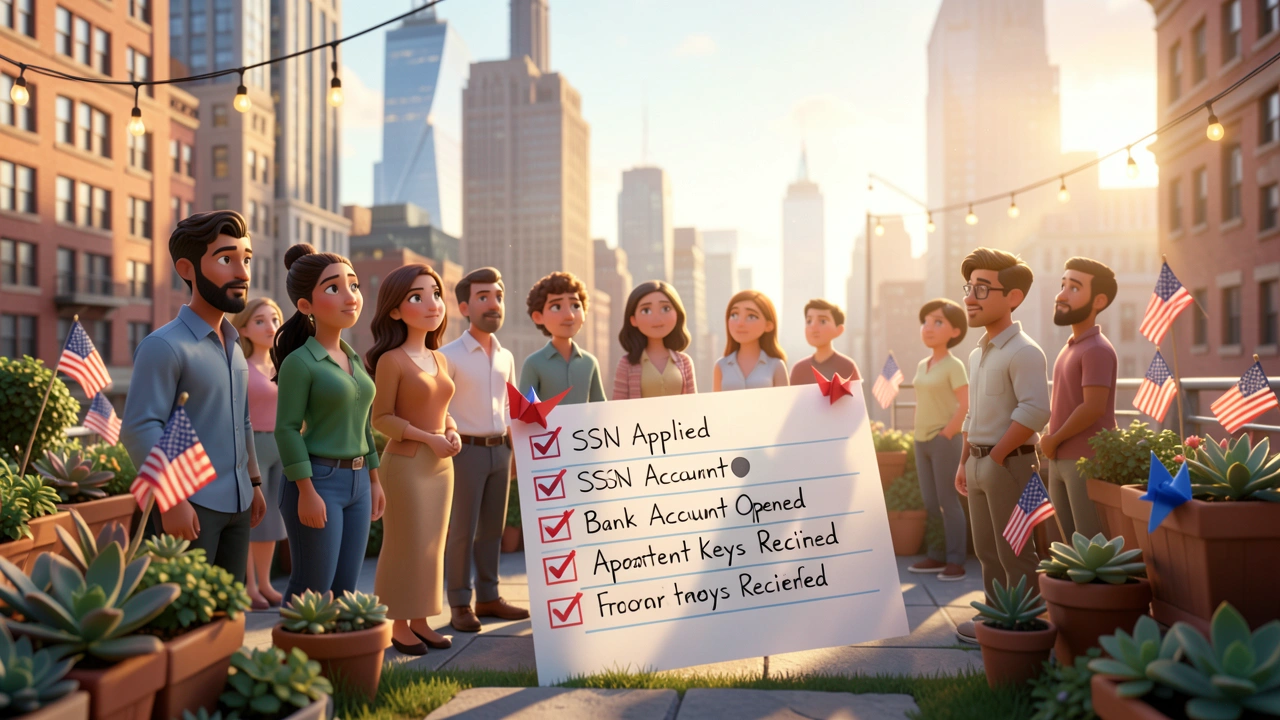
Completing the First 30 Days in the USA: Complete Checklist for New Immigrants sets you up for a smoother start. You now have a clear path for essential tasks like getting documents, finding a home, and setting up services. Focus on one step at a time, and don’t hesitate to ask for help from local resources.
You’ve got this!